Walk into any apartment site or resale home and you will hear it sooner or later.
“Is this place Astro-Vastu compliant?”
Some people swear by it. Others roll their eyes and call it superstition dressed up with fancy math. If you are a homeowner, buyer, architect, or even a realtor, you are probably stuck in the middle. You do not want blind belief. You also do not want to dismiss something that seems to affect how people feel, sleep, earn, and live inside a space.
So let’s slow down and look at Astro-Vastu the way a practical person would. Not as magic. Not as blind faith. Just logic, numbers, observation, and real-world layouts.
You decide at the end whether it feels like myth or precision.
What Astro-Vastu Really Claims (Without the Drama)
Astro-Vastu is not just Vastu with planets sprinkled on top. At its core, it tries to link three things.
- Directional geometry of land and buildings
- Movement patterns of the sun, moon, and planets
- Human behavior inside built environments
That’s it. No spells. No rituals needed to understand the basics.
Classic Vastu focuses on directions, elements, and spatial balance. Astrology focuses on time cycles and planetary influence. Astro-Vastu tries to overlay timing and planetary logic onto physical spaces.
Sounds abstract. It gets clearer when you break it down.
Direction Is Not a Belief. It’s a Fixed Coordinate
Start with something simple. Directions do not change.
North is north. East is east.
Sunrise happens in the east. Heat behaves in predictable ways. Wind flow follows patterns.
Every building sits on a grid, even if the owner never thinks about it.
Astro-Vastu begins here. Not with faith, but with coordinates.
When ancient planners mapped homes, towns, and temples, they worked with:
- Cardinal directions
- Solar movement across seasons
- Shadow lengths
- Wind paths
These are measurable. You can test them today with basic tools.
This is where people often get confused. They assume anything old must be mystical. In reality, many old systems existed because there were no shortcuts. Observation was survival.
The Sun Is the First Mathematical Input
Forget astrology for a minute. Focus on the sun.
The sun controls:
- Heat gain in rooms
- Natural light levels
- Daily human rhythm
- Seasonal comfort
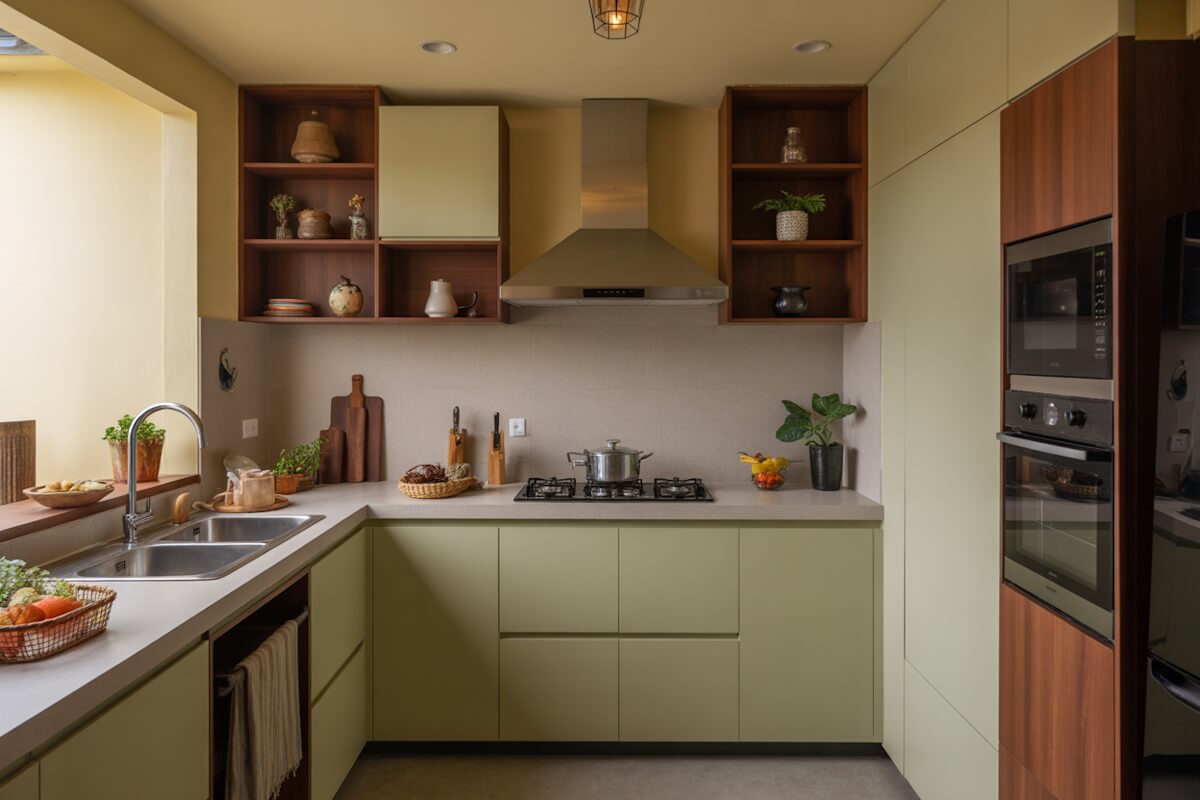
Bedrooms that get harsh afternoon sun feel different from those with soft morning light. Kitchens facing east feel different from west-facing ones.
This is not belief. It’s thermal behavior.
Astro-Vastu builds on this by saying certain planetary energies correspond with specific directions. But underneath that language is a simple idea.
Different directions affect human biology in different ways.
That’s already accepted science.
Why Timing Matters More Than People Admit
Now comes the part people either mock or blindly accept. Timing.
Astro-Vastu says the time when a building is occupied, renovated, or entered interacts with planetary cycles.
Here is a grounded way to look at it.
Human routines are time-based.
Sleep cycles. Work hours. Eating patterns. Stress peaks.
If a space amplifies restlessness during night hours or creates excessive heat during peak activity times, people suffer. Over time, this shows up as health issues, conflicts, or financial instability.
Astrology frames this through planetary periods. Science frames it through circadian rhythms and environmental psychology.
Different language. Same human outcome.
Numbers in Astro-Vastu Are Not Random
One common criticism is that Astro-Vastu uses too many numbers. Grids, degrees, charts.
Here’s the reality.
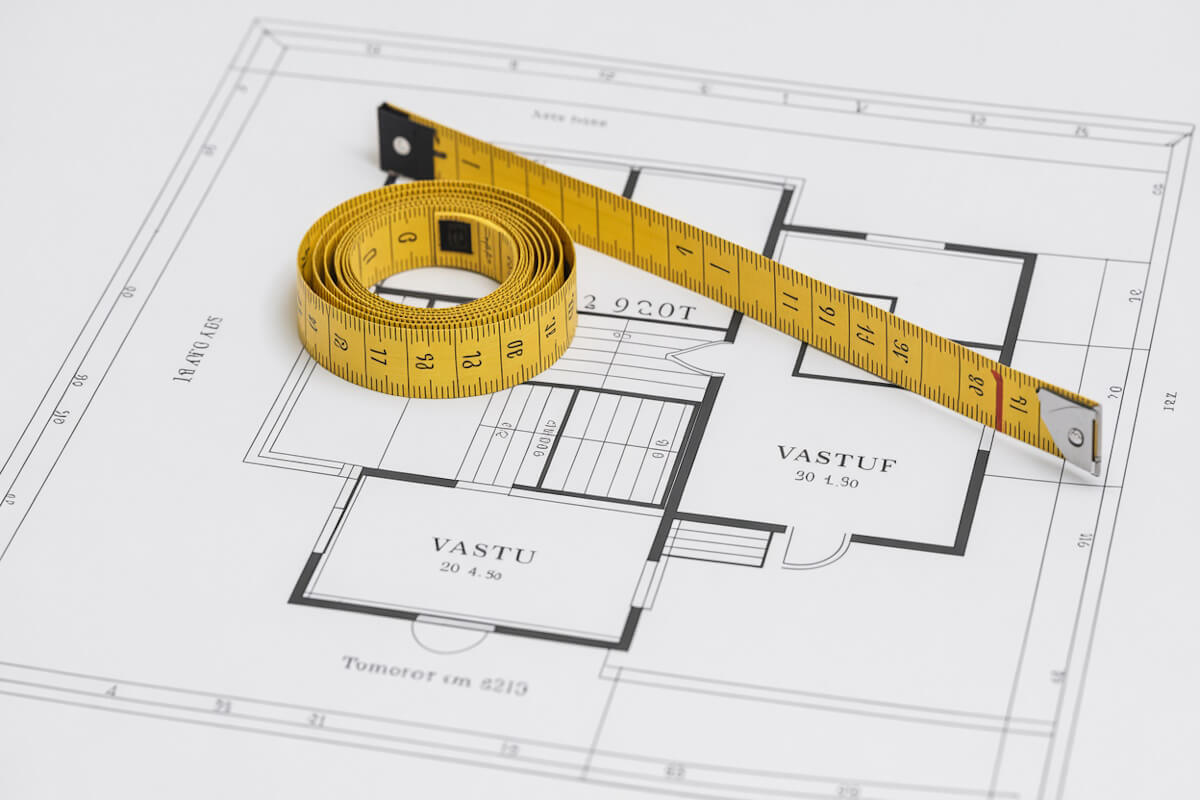
Every plot has dimensions.
Every room has proportions.
Every door has an angle.
Angles and ratios affect movement, light, and airflow.
For example:
- A main door placed at certain angular ranges receives more consistent daylight
- Irregular plot shapes create pressure points in circulation
- Slanted corners change how sound and air behave
Astro-Vastu assigns planetary rulerships to these angular zones. You do not have to accept the planet part to admit the math part exists.
Geometry does not care about belief.
High-Rise Apartments and the Astro-Vastu Debate
This is where people say Astro-Vastu fails.
“What about flats on the 18th floor?”
Good question.
Astro-Vastu does not claim gravity stops at ground level. Direction and orientation still apply.
What changes in high-rises is context.
- No control over plot shape
- Limited structural changes
- Shared energy zones like lifts, shafts, and corridors
In these cases, Astro-Vastu focuses more on internal zoning.
Bedroom placement. Bed orientation. Stove position. Work desk direction.
These are not cosmetic suggestions. They affect posture, sleep depth, digestion, and focus.
Architects who quietly follow these principles often see fewer post-occupancy complaints. Not because of magic. Because the human body reacts predictably to space.
The Psychology Angle Nobody Talks About
Here’s something rarely discussed.
People behave differently based on orientation.
Studies in environmental psychology show that:
- People facing east while working report higher alertness in morning hours
- Enclosed southwest zones feel heavier and quieter
- Open north zones feel mentally expansive
Astro-Vastu assigns meanings to these zones using planetary language. Psychology explains them using neural stimulation and light exposure.
Again, different vocabulary. Same observation.
When people say Astro-Vastu works, many times they are reacting to psychological comfort, not cosmic intervention.
That does not make it fake. It makes it human.
Where Myth Creeps In (And Ruins the Conversation)
Let’s be honest. Astro-Vastu has been diluted.
Some consultants turn it into fear-based advice.
Some overpromise instant results.
Some ignore modern construction realities.
That’s where myth replaces logic.
A cracked beam is not a planetary issue.
Poor ventilation will not be fixed by a gemstone.
Bad plumbing slope will still cause problems.
Astro-Vastu works best when it stays in its lane. Space, direction, timing, proportion.
The moment it tries to replace engineering, it becomes unreliable.
Real Estate Decisions and Buyer Psychology
If you deal with property regularly, you already know this.
Buyers feel something when they enter a space.
They may not articulate it clearly.
But they trust it.
Astro-Vastu offers a framework to understand that reaction.
Why does one unit sell faster than another with the same layout?
Why do some homes feel draining after a few months?
Why do certain offices struggle with staff turnover?
You can blame luck. Or you can study spatial influence.
Many seasoned realtors quietly check orientation before listing. They may not call it Astro-Vastu. They just know which units move.
Is Astro-Vastu Predictive or Corrective?
Another misunderstanding.
Astro-Vastu does not predict your future like a movie script. It highlights tendencies.
A poorly placed bedroom does not guarantee illness. It raises stress markers over time.
A blocked north zone does not guarantee financial loss. It may affect clarity and opportunity perception.
These are probability shifts, not guarantees.
That’s closer to statistics than superstition.
Renovation vs New Construction
Astro-Vastu shines more in planning than correction.
When you design from scratch, you can align:
- Entry placement
- Room zoning
- Window orientation
- Structural balance
During renovation, options are limited. You work with furniture placement, color, lighting, and usage patterns.
Expecting miracles from small changes leads to disappointment.
Using Astro-Vastu as a guide, not a cure, leads to better outcomes.
Architects and the Quiet Use of These Principles
Many modern architects will never publicly endorse Astro-Vastu.
Yet they design:
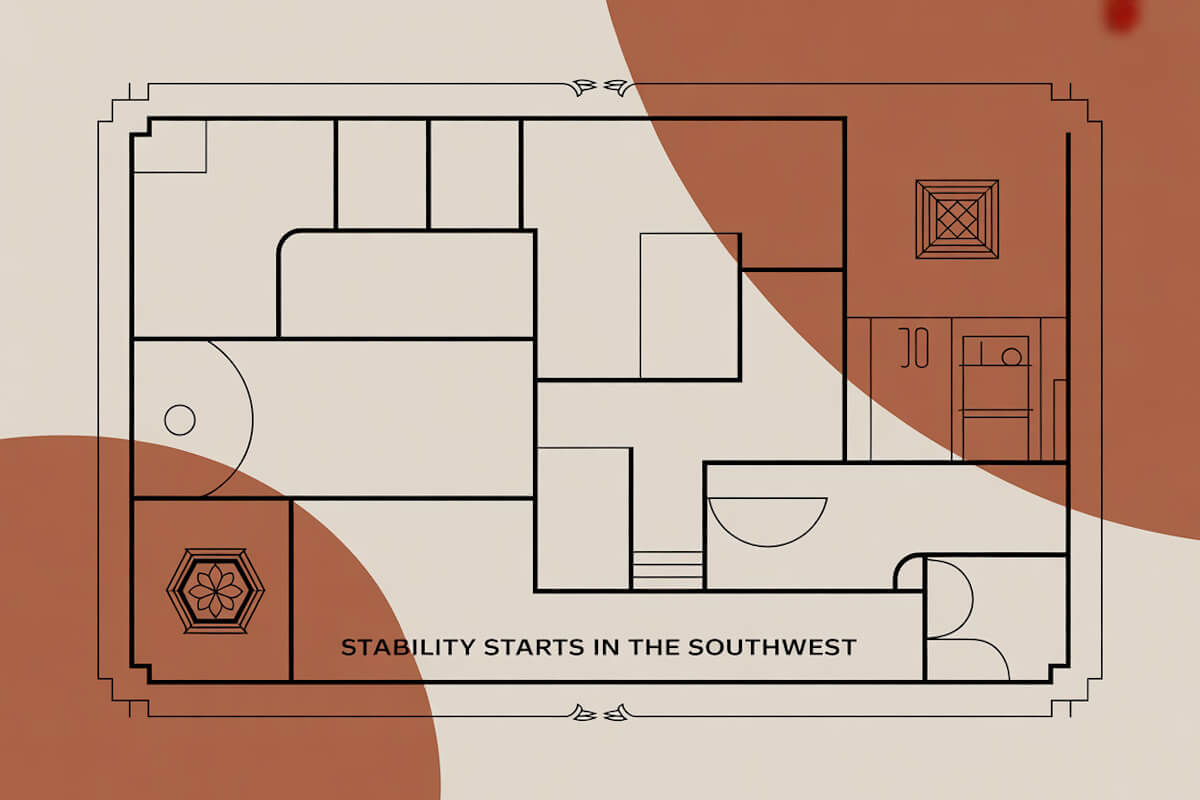
- Heavier zones in southwest
- Open living spaces toward north and east
- Service areas in less active corners
Why? Because it works functionally.
Good design often overlaps with old systems. Not because of tradition, but because humans have not changed that much.
So Is Astro-Vastu Science?
It is not laboratory science.
It is not blind belief either.
It sits in between.
Astro-Vastu is a structured observational system. It uses geometry, astronomy basics, human behavior patterns, and time cycles. Over centuries, patterns were noted and codified.
Some parts hold up well under modern scrutiny. Some need reinterpretation. Some should be dropped.
That is normal for any old system.
The problem starts when people treat it as either holy truth or total nonsense.
How You Should Actually Use Astro-Vastu
If you are buying a home, use it as a filter, not a dictator.
If you are designing, use it as a checklist, not a rulebook.
If you are renovating, use it to improve comfort, not chase perfection.
Ask practical questions.
Does this layout support sleep?
Does this workspace get usable light?
Does movement feel blocked or smooth?
Astro-Vastu can help you ask better questions. It should not stop you from making common-sense decisions.
Final Thought You Can Sit With
Astro-Vastu survives because people experience something real inside spaces. Comfort. Discomfort. Flow. Resistance.
The explanations vary. The experience repeats.
Call it math. Call it psychology. Call it old wisdom.
What matters is whether your space supports your life or quietly works against it.
If a system helps you understand that, it deserves a closer look.