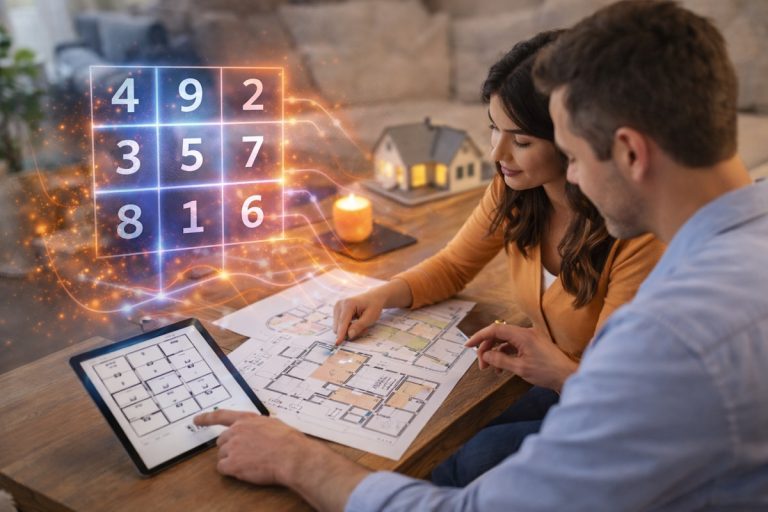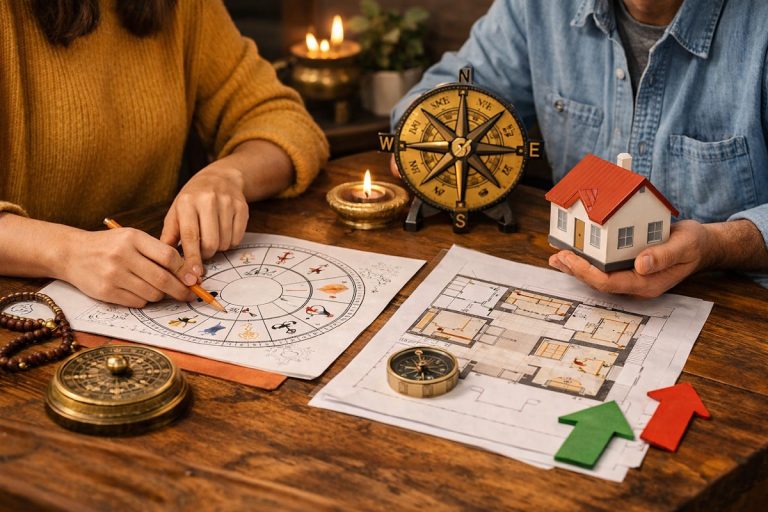
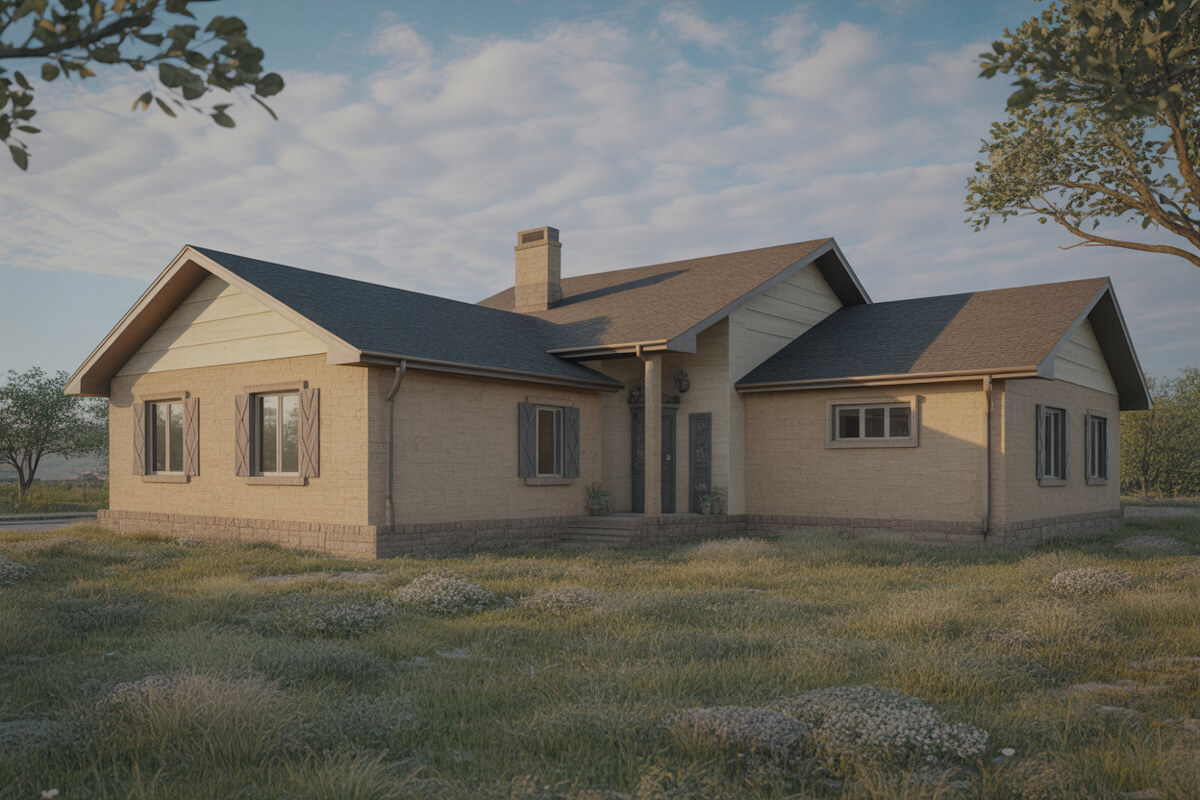
Ranch homes came to North America as a response to wide plots, open skies, and a desire for easy indoor-outdoor living. They are still popular because everything sits on one level, and the layout tends to feel relaxed. When you look at these homes through a Vastu lens, the single-floor footprint helps a lot, but it also brings some challenges you should handle with care. This guide walks you through practical steps that fit real floor plans across the US and Canada, whether your ranch is from the 60s or a newer build with modern updates.
Understanding How Vastu Works in Ranch Homes
Vastu is simple when the layout stays flat. No stairs. No stacked floors. That alone gives you a better flow of energy. Rooms that sit too far off to one side, strange additions, or oversized garages can change the balance. You do not need to overhaul your house. You just need to read how the plot sits, how sunlight enters, and where key rooms have landed.
Ranch homes often stretch long east to west. This can work well when the main rooms receive morning light, but many older designs face the wrong direction for your daily rhythm. The goal is to support what your home already offers. If your house pulls in sun from the rear patio or has a wide front porch, you can use those features to strengthen weak zones. You will notice that Vastu for ranch-style houses is never about extreme fixes. It is about steady adjustments you can maintain.
Ideal Directions for Entrances in Ranch Homes
Front entrances set the tone for your day. Ranch houses in North America usually have the door centered or placed slightly to one side of the façade. Sometimes it has been moved during remodeling.
If your door sits in the north, northeast, or east part of the house, you have a comfortable start. These zones support clarity and smoother decision making. When the door is in the southeast or southwest, you can still correct the imbalance with small moves.
Placing a tall, healthy plant a few feet from a south or southwest entry steadies the heavier feel. Keeping the entry well lit helps the energy travel inside without dragging. If your door opens straight into the living room without any buffer, consider adding a simple console table or a short divider panel. You are not blocking the path. You are just slowing the rush that usually comes through a ranch entry.
Vastu for Living Rooms in Ranch-Style Houses
Most ranch living rooms sit near the entrance and stretch to one side. In many homes across the US and Canada, the living room receives afternoon light. From a Vastu perspective, this can sometimes feel heavy toward the end of the day.
If your living room is in the northeast, keep it open and bright with neutral walls and fewer bulky pieces. When it sits in the northwest, focus on better airflow. A simple ceiling fan or larger window treatment that opens fully works fine.
Avoid placing the main sofa with its back toward the entrance. People walking in should see seating that feels welcoming, not a wall of upholstery. If your living room spills into a dining room without a break, use a floor rug to separate zones. Ranch houses often come with long narrow spaces, so creating these subtle boundaries helps maintain balance.
Vastu Tips for Kitchens in Ranch Houses
Kitchens in ranch homes usually fall in the middle or toward the back. Builders often squeeze them between the garage and the living area. For Vastu, the southeast zone is the best location. Lots of older ranch houses in North America end up with the kitchen in the southwest because of plumbing lines and original floor plan constraints.
Cooking facing east is the preferred orientation. If your stove faces another way, place a small mirror on the wall behind you so you can still see the direction of light indirectly. The goal is to support your posture and awareness.
Keep heavy appliances on the south or west side of the kitchen. Lighter elements like herbs, small plants, or a water filter can sit in the north or northeast corner. Ranch kitchens often lack windows. If your space feels tight, introduce brighter bulbs and keep counters clear. This alone changes the way the room feels.
Vastu for Bedrooms in Ranch-Style Homes
Bedroom placement matters because ranch homes keep all rooms on one level, and sound travels easily. The master bedroom in the southwest helps you feel grounded. Many newer ranch homes place the primary suite on one end and the kids’ rooms on the opposite side. That works well for privacy and also supports Vastu balance.
Keep your bed so your head rests toward the south or east. Avoid placing the bed directly under a window because these houses often have low sills that bring in too much draft. If the bedroom sits in the northeast, keep colors lighter and avoid heavy beds or thick oversized nightstands.
A northwest bedroom can feel active, so it may suit guests or older kids who stay up later. If you have a split-bedroom ranch with the master in the southeast, balance the room with earthy elements on the southwest corner of the bedroom like a solid wooden dresser.
Vastu for Home Offices in Ranch Houses
Working from home is common across North America, and ranch homes often convert spare bedrooms or dining areas into offices. The north or northeast works well for focus and smoother workflow.
Sit facing east or north if possible. Avoid placing your desk in the southwest because it can make you feel stuck. If you cannot move the desk, place a sturdy piece of furniture behind you instead of an open doorway. This gives a sense of support during long workdays.
Keep your electronics organized. Ranch homes have fewer wall outlets, and cables often pile up. A clean workspace keeps energy moving without interruption.
Bathrooms and Laundry Rooms in Ranch Layouts
Ranch houses usually place bathrooms along a single hallway or near bedrooms. These rooms often fall in the north or northeast, which is not ideal in Vastu, but easy to manage.
Keep bathroom doors closed when not in use. Make sure exhaust fans are working because ranch homes tend to trap steam. If your bathroom is in the northeast, maintain brighter lighting and use light wall colors.
Laundry rooms in ranch-style houses often sit near the garage or kitchen. The west or northwest works fine for laundry. Keep clutter under control. Piles of clothes near entries or hallways slow down movement across the house.
Garage Placement and Vastu in Ranch Homes
Ranch homes usually feature an attached garage placed on the west or northwest. This is generally acceptable. When the garage sits in the southwest, keep the door to the interior entry well maintained and avoid storing unnecessary items. This part of the house can get heavy fast.
Avoid using the garage as your main entry if it leaves the front door unused for weeks. You want some movement near the official entry so the house stays active. Even if you walk through the garage daily, try to open the main door for a few minutes whenever you can.
Vastu for Open Floor Plans in Ranch Homes
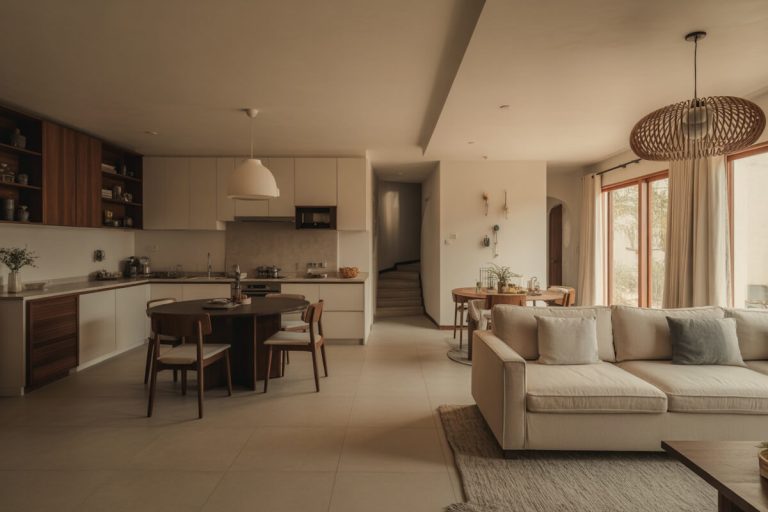
Modern ranch remodels knock down walls. Open kitchens, dining, and living zones dominate many renovated homes across the US and Canada. This creates bright interiors, but sometimes the energy circulates too quickly.
Define the zones. Use area rugs, partial dividers, or a change in flooring material. Keep the northeast corner open and free of tall furniture. If your open layout spills into a long corridor, hang softer lighting to slow the pace of movement.
If your living and dining share the same wall of windows, keep plants in the east or north side. Avoid placing too many large pieces on the north wall because it restricts natural flow.
Vastu for Windows, Natural Light, and Ventilation
Ranch homes often have large front windows but limited windows in the back. Light distribution matters. North and east windows bring steady, calm light. West windows bring afternoon heat that can feel overwhelming.
If your house is flooded with west light, try sheer shades that cut glare without blocking the view. Keep the east side of the house as open as possible. Even if the window is small, make sure furniture does not block it.
Ventilation is key. Many ranch houses rely on cross-breeze. Keep windows in opposite rooms functional. If they are painted shut, it is worth fixing them. Stale air carries a sluggish feel you do not want in a single-story home.
Vastu for Exterior Areas and Backyards
The exterior matters as much as the interior. Your driveway, pathways, and backyard layout all influence the balance.
A clean, unobstructed path to the front door helps energy move smoothly. Avoid blocking this path with oversized planters or décor. The backyard in the north, northeast, or east should stay open and tidy. If your backyard slopes downward, keep the inside rear zone lighter and uncluttered to compensate.
Decks and patios are common in ranch-style houses. Place seating on the east or north side when you can. Heavy grills or outdoor kitchens work better on the south or west side of the patio.
What to Do When Your Ranch Home Cannot Change Much
Many homeowners in the US and Canada deal with fixed layouts. Plumbing might stop you from moving the kitchen. Structural beams might freeze your bedroom locations. In these cases, use Vastu adjustments that work with what you already have.
Keep clutter low. Maintain light distribution. Don’t overload corners with heavy furniture. Use color changes when you cannot move walls. Even simple placement tweaks can improve balance.
If the house feels off in certain areas, stand there during different times of the day. Pay attention to airflow, smells, and sunlight. You will notice patterns that guide your adjustments.
Final Thoughts on Applying Vastu to Ranch Homes
Vastu for ranch-style houses is about understanding how a single-level layout interacts with directions, light, and function. You do not need extreme changes. Most homes respond well to small steps that respect how people actually live in North America.
Walk through your house slowly one day. Notice what pulls you, what feels heavy, what feels forgotten. Once you see the layout clearly, applying Vastu becomes easier than you think.