Author: blog-vastu-consult

  • Vastu for Penthouse Apartments: Height, Layout and Energy Optimization

    Vastu for Penthouse Apartments: Height, Layout and Energy Optimization

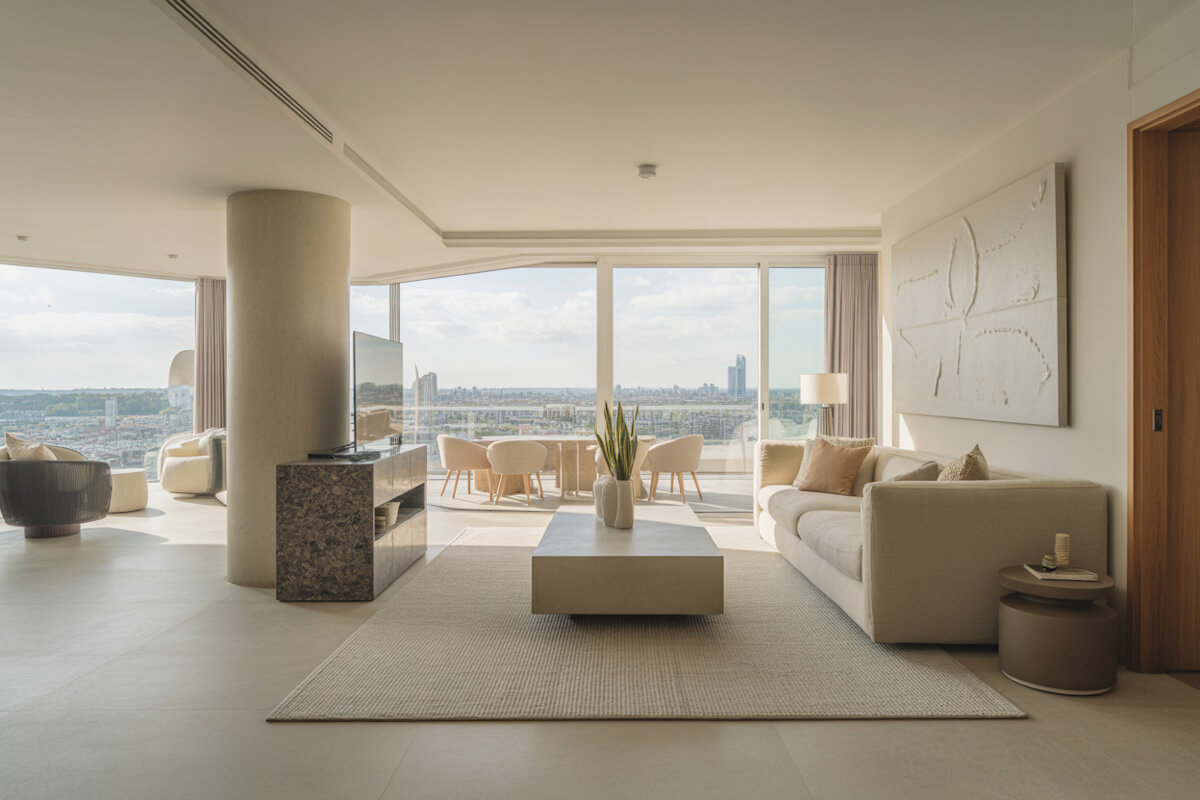
    Living in a penthouse feels different from any other floor. The height, open views and exposure to stronger natural elements can support you if the layout flows well. When it does not, you might feel scattered, restless or unable to settle. Many homeowners message planners and consultants for advice because penthouses often feel powerful but unpredictable. This guide walks you through practical Vastu ideas that fit real penthouse layouts in high-rise buildings in the US, Canada and other countries.

    How Height Changes the Energy of a Penthouse

    A penthouse sits closer to open sky. You receive stronger light, faster wind movement and more sun heat. You also feel more of the city’s vibrations. Some people thrive in it. Others feel overstimulated.

    The goal is simple. You want the height to support you, not overwhelm you.

    Penthouses need grounding elements inside the home. Without this, the space can feel like it is floating. Heavier furniture, earthy colors and stable room placement help anchor the energy. If you already feel restless in your high-rise unit, this is usually why.

    Another factor is exposure. If your penthouse has two or three open sides, the direction of each side matters. More exposure brings more benefits when the natural flow is balanced. When it is not, the home feels shaky.

    Picture a unit with an open south and open west in a sunny city. The heat and brightness may push too hard into the living area. A cooler zone like the north or northeast might feel pushed aside. You want to counterbalance that feeling.

    Ideal Entry Placement for Penthouse Units

    Most penthouses have a private vestibule or small lobby outside the main door. Some even have a personal elevator opening directly into the apartment. Whichever type you have, the direction of entry still affects how the home receives you.

    The most comfortable entry spots are north, northeast or east. These directions feel calmer, lighter and more open. They help the apartment settle after a long day. If your entry is in one of these zones, the home normally feels friendlier even before making layout changes.

    South or west entries are common in luxury high-rises. They are not bad, but they need balancing. If your main door sits in a strong heat zone, keep the area simple and uncluttered. Avoid heavy decor near the door. Pick a color that softens the space, something earthy or neutral.

    Avoid sharp angles or mirrors facing the door. In a penthouse, mirrors can create an intensity that feels too sharp under open sky energy. Let the entry feel grounded and steady.

    Layout Flow That Works Well in Penthouses

    Penthouses often have irregular shapes. Developers prioritize outdoor terraces, private pools or sculpted layouts. While these features look good, they can disturb the natural flow.

    Living Room Position

    Ideally, the living room sits in the north or east half of the home. These sides invite healthy light without overwhelming the space. You get brightness without pressure. In many US penthouses, the living room is placed to maximize views. If that falls in the west or south, you can still balance it.

    Use lighter materials and softer textures in a west living room. Avoid too many metallic items because they reflect strong afternoon energy. A south living room needs plants or earthy elements to calm down the heat inside the unit.

    Kitchen Placement

    The best location is the southeast quadrant. If your builder placed the kitchen in the northwest, which is common in modern high-rises, keep the stove on the east or southeast wall if possible. In a penthouse, cooking near large windows can be tricky because gusts of wind sometimes disrupt the flame or create drafts. Keep the cooking platform away from direct window alignment.

    Avoid placing the refrigerator in the northeast corner. Many penthouses have open kitchen plans, so check where appliances sit. A gentle arrangement makes a big difference here.

    Bedroom Zones

    Master bedrooms feel best in the southwest of the home. This direction carries a heavier, steadier feel. It grounds the restless push that height creates. You sleep deeper and wake up calmer.

    If your main bedroom is in the north or northeast, you might feel mentally active at night. Use heavier curtains and thicker flooring rugs. Keep electronics away from the headboard.

    Guest bedrooms can sit in the northwest. Children’s rooms fit well in the west or south, where they get enough activity but not too much intensity.

    Placement of Home Office or Study

    A penthouse study works well in the southwest or west area if you want more structure and discipline. If your work needs creativity or softer focus, the northeast or east works better. Try not to face a window with strong glare. Height amplifies light, which can tire your eyes quickly.

    Terraces, Balconies and Open Decks

    Penthouses usually have large outdoor areas. These can be the strongest or the most troublesome zones depending on their direction.

    A terrace in the north or east supports calm mornings and steady airflow. Many people report feeling more focused when these areas are open and clean.

    A terrace in the south or west gathers heavy heat, especially in summer. If your penthouse is in Arizona, Nevada or Texas, you probably know this feeling. The space becomes too hot to use in the afternoon. Keep heavier seating, planters or even a shade structure to manage the heat. These bring grounding weight that balances aggressive light.

    Avoid piling storage items on terraces. In a high-rise, clutter magnifies the sense of imbalance because wind swirls and light hits unevenly.

    Staircase Placement Inside a Penthouse Duplex

    If your penthouse is a duplex, the staircase position matters the most. You want the staircase in the south, west or southwest. These zones handle weight better. A staircase in the center of the home disturbs the balance. Many duplex penthouses suffer from this issue because builders place the staircase as a central feature.

    If your stairs sit in the northeast, keep that zone clean and peaceful. Avoid heavy decor right above or below the staircase. Add soft lighting to reduce sharpness.

    The direction of the climb should ideally be from north to south or east to west. If the direction is reversed, ground the area with earthy flooring or stable colors.

    Bathrooms and Water Zones

    In penthouses, water pressure and plumbing design sometimes change the default placement. Bathrooms often land inside the northwest or southwest zones. Northeast bathrooms are not ideal, but many modern apartments have them due to space constraints.

    If you have a northeast bathroom, keep it spotless. Use light colors. Avoid storing heavy cleaning items there. Good ventilation is important because moisture rises faster at higher floors.

    South or southwest bathrooms need extra care. Add some grounding with stone textures or earthy shades. Do not place the washing machine in the northeast if the bathroom spills into that zone.

    Try Your Free Vastu Check

    Position of the Puja Space

    If you maintain a puja corner, place it in the northeast if possible. Many penthouses lack a defined puja room, so people use a niche or floating shelf. Try not to place it right next to heavy electronics because the energy feels mixed.

    Avoid putting a puja space directly under a staircase or inside a closet. If your penthouse has sloped ceilings or beams, place the puja area away from those.

    Structural Elements That Matter More in Penthouses

    Beams and Sloped Roofs

    Beams or sloping walls feel more intense because the open sky energy sits right above. If a beam crosses your bed or dining table, shift the furniture if possible. If not, use a soft fabric canopy or a ceiling panel that makes the beam less visually strong.

    Large Windows

    Penthouse windows are massive. Light is good, but you want soft control. Use layered curtains. In the morning, use sheer curtains. For afternoon heat, use heavier drapes. This keeps the room stable.

    Avoid mirrors opposite large windows in the west. Afternoon light bouncing off a mirror creates too much sharpness.

    Energy Optimization for Penthouses

    Grounding the Space

    A penthouse needs more grounding items compared to mid level apartments. A few simple things help:

    • Larger rugs in key rooms
    • Heavier wooden furniture instead of overly reflective metal
    • Indoor plants with broad leaves in the south or west

    Do not overdo plants in the northeast because it makes the zone feel cramped.

    Balancing Heat and Light

    South and west sides get powerful sunlight. Keep lighter fabrics, cool-toned wall colors and stable decor in these zones. Avoid shiny flooring because glare rises strongly at higher levels.

    Managing Wind Flow

    Wind behaves differently on top floors. Some penthouses get noisy drafts. Keep windows aligned to create smooth cross ventilation. If the wind feels too sharp, use thicker curtains or place furniture to break the direct flow.

    Avoiding Floating Energy

    A common complaint from penthouse residents is a floating or unsettled feeling in certain rooms. This usually happens when the room sits above a large open space or near a corner where two balconies meet. You can stabilize such rooms by placing a heavier piece of furniture near the southwest corner of that room.

    Vastu for Buying a Penthouse

    If you are planning to buy a penthouse, check the following early on.

    Shape of the Floor Plate

    Regular shapes feel calmer. Too many cutouts or sharp corners reduce stability. If the outdoor deck has odd corners, keep them clean and bare.

    Water Tanks or Machine Rooms Above

    Many buildings place mechanical units on the roof. If your penthouse sits directly below them, check noise levels. Try not to have bedrooms under heavy mechanical equipment.

    Lift Position

    If the elevator opens directly into the penthouse, make sure the opening is not in the southwest. A southwest lift entry can create a disturbed feeling. North or east entries feel easier.

    Height and Sun Path

    A penthouse with strong south or west glass walls works well in cooler states like Washington or New York. In hot climates, these walls may feel harsh. Adjust expectations and plan shading solutions early.

    Vastu Tips for Renting Out a Penthouse

    Many investors buy penthouses to rent them. In such cases, layout issues show up more quickly because tenants sense imbalance even without knowing Vastu.

    Here are ways to make the unit feel better for tenants:

    • Keep the north and east zones open and minimal
    • Add steady lighting in hallways
    • Fix any window draft issues before listing
    • Avoid dark wall colors in the northeast
    • Place heavier furniture in the southwest room

    A balanced penthouse rents faster because people feel comfortable the moment they walk in.

    Outdoor Features Like Pools or Jacuzzis

    Some penthouses have private pools. A pool in the northeast or north is generally better. A pool in the southwest often feels heavy. If your pool sits in the southwest, keep the surface around it simple. Do not add too many decorative objects there.

    Jacuzzis or hot tubs usually sit in a corner. Try placing them in the northwest or north. Avoid southeast if possible because fire and water elements clash.

    Why Penthouses Feel More Sensitive to Imbalance

    Many homeowners wonder why issues feel amplified in a penthouse. The reason is simple. At a high level, the home interacts directly with natural forces. There is less buffering from surrounding buildings. A slight imbalance in direction or layout becomes noticeable.

    This is why grounding, furniture placement and subtle corrections create a big shift. The home starts feeling calmer and more stable.

    Setting Up a Stable and Comfortable Penthouse

    If you want your penthouse to feel peaceful, start with small steps. Keep the northeast free from heavy storage. Set your main bedroom in the southwest if the builder layout allows. Make your terraces functional instead of decorative. Control glare. Balance heat. Choose grounding textures.

    Once the base flow settles, you can add more style, design or luxury. When the home is stable, everything else feels easier.

    Run a Quick Vastu Report

    Final Thoughts

    A penthouse gives you wide views and a sense of freedom. With a few layout adjustments and mindful choices, you can turn that openness into daily support instead of pressure. Every penthouse is unique, but the core idea stays the same. You want steady flow, clean direction zones and grounded energy.

    If you want, you can share your penthouse floor plan or direction details. I can give specific placement suggestions that match your layout.

  • Vastu for Basement Homes in the USA: Correcting Subterranean Energy Flow

    Vastu for Basement Homes in the USA: Correcting Subterranean Energy Flow

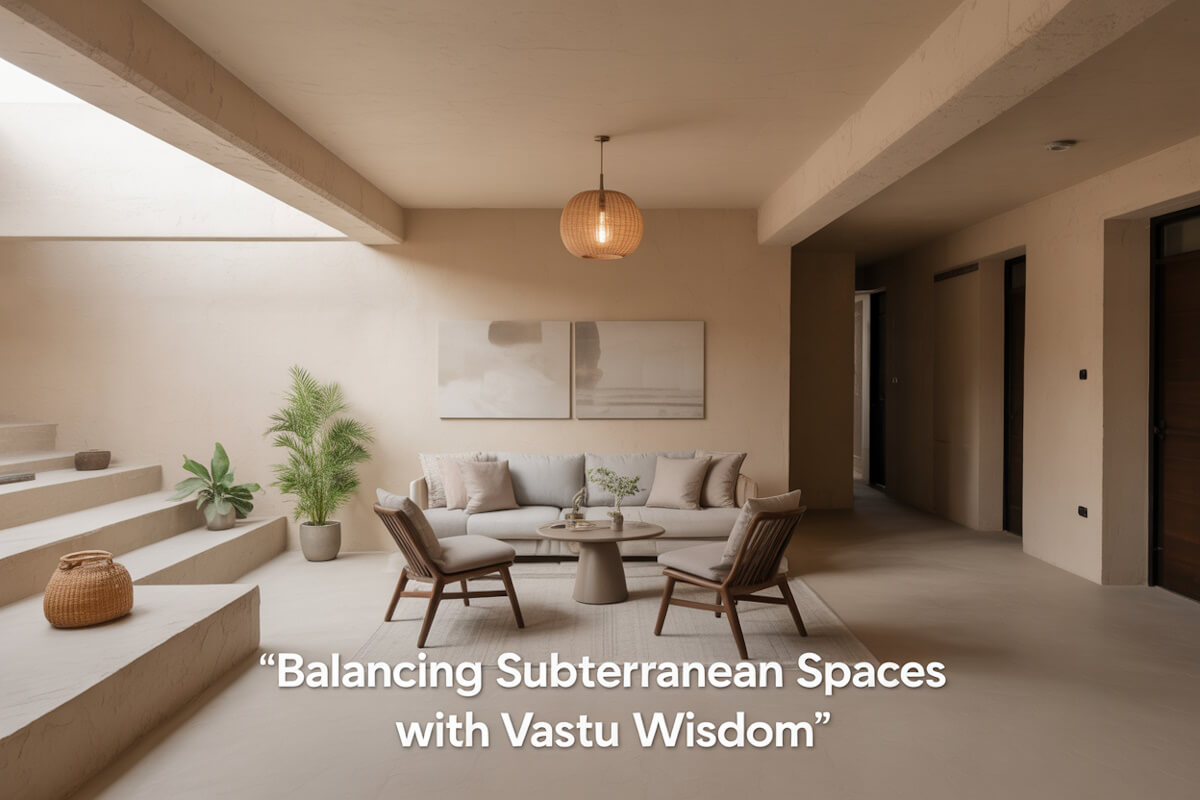
    Basement homes in the USA bring a mix of convenience and complications. You get extra square footage, privacy, and cooler temperatures during summer, but you also deal with sunlight shortage, damp corners, odd shapes, and a natural pull of energy downward. When you try to apply Vastu to these settings, the usual rules meant for above ground floors don’t always translate cleanly. Still, you can create a balanced setup when you understand how subterranean movement works and what adjustments make sense for this type of space.

    This guide gives you clear direction if you live in a basement apartment, rent out a basement suite, use your basement as your primary bedroom, or set up work space below ground. Keep practicality at the center of every decision. You should feel comfortable and grounded, not stuck in guesswork.

    Why Basement Vastu Needs a Different Lens

    A basement sits below the natural grade of the Earth. Energy tends to sink here. Air stays heavier. Light is limited. Sound behaves strangely. That alone can shift sleep patterns, create low mood, or trigger restlessness in some people. These reactions aren’t mystical. They show how the body responds to spaces with less upward flow.

    Because of this, Vastu for basement homes in the USA focuses on corrective steps instead of strict compliance. You rarely get a perfect setup, and that is fine. The goal is to lift stagnant flow, reduce heaviness, and help the space feel more alive.

    Basement Position in the Home and Its Effect

    The basement’s place under the main structure already gives it a specific character. Most US homes place mechanical systems, laundry, storage, and sometimes guest rooms there. Turning a basement into a full apartment or your main living area needs careful planning.

    If your basement lies fully underground, you will deal with deeper stillness. If parts of it are exposed due to a sloped yard or walkout design, you already have an advantage. A walkout basement has more active energy because of natural light access and a direct path to the outside.

    Partial underground basements sit somewhere in the middle. They often perform better in Vastu terms because they get at least one direction of natural light.

    Ideal and Less Ideal Basement Uses

    Vastu suggests lighter activities below ground. Heavy or long hours of living tend to weigh people down, especially if the basement lacks windows or fresh air.

    Better uses include:

    • Storage
    • Home gym
    • Guest room
    • Media room
    • Playroom
    • Utility space

    Less ideal uses include:

    • Main bedroom
    • Main kitchen
    • Home office where you spend 8 to 10 hours daily
    • Apartment for someone who prefers sunlight or has emotional sensitivity
    • Prayer area

    You can still make these work if needed. You just need stronger correction strategies.

    Directional Vastu for Basement Homes

    Even though the basement sits below ground, direction remains important. You should still map the space using a compass or a reliable phone app.

    North and East Areas

    These are lighter zones. If your basement apartment has windows on the north or east, you already benefit from natural lift. These areas work well for:

    • Small living room
    • Study corner with artificial daylight bulbs
    • Entryway for a walkout basement

    Avoid heavy storage here. Keep clutter away so these directions stay open.

    South and West Areas

    These directions tend to hold denser energy. Placing storage, gym equipment, or a laundry zone here makes sense. You can also use these areas for mechanical systems. If your bedroom ends up in the south or west of the basement, balance the space with brighter lighting and clear organization. No dark and forgotten corners.

    Center of the Basement

    The center should stay open as much as possible. Many US basements are chopped into small rooms or have structural posts in the middle. Work around this by keeping the center clear of heavy furniture. Open space near the core allows better movement of subtle flow.

    Light and Air: Correcting the Biggest Basement Issue

    Light is the lifeline of any basement Vastu correction. Without it, the space feels closed, even if everything else checks out.

    What You Can Do

    Install daylight LED bulbs that mimic natural light. Place them in the north or east half of the room when possible. Keep window coverings minimal. Clean window wells a few times a year. If allowed, add reflective paint colors around window wells to bounce more light inside.

    Ventilation matters too. Use air purifiers if you feel the air sits heavy. A small exhaust fan can help in laundry or bathroom areas. Stuffy air blocks good flow.

    Avoid Dark Pockets

    Basements are notorious for dim corners. Light every corner, even if a simple plug-in lamp is enough. You want the entire floor to feel awake, not half asleep.

    Flooring and Ceiling Concerns

    Basement ceilings tend to be lower. When the ceiling feels too low above your main seating or bed, your mind carries subtle pressure. The solution is to avoid bulky overhead fixtures. Use flush lights and taller furniture placed along walls, not the center. It gives the room a bit more breathing room.

    Floors should stay dry. Any dampness drags energy down fast. Fix leaks early. A dehumidifier helps keep the air crisp.

    Bedroom Placement in a Basement

    This is one of the most common questions for basement Vastu in the USA. Many people end up sleeping downstairs because the upstairs is full or the basement apartment is the rental unit they could afford.

    Best Zones

    Place the bed in the south or west parts of the basement, but make sure the headboard is against a firm wall. Keep the bed slightly raised. Never use a mattress on the floor.

    Windows

    Even a small window improves mood and sleep. Keep the area around it clean. Avoid heavy drapes. Let the window breathe.

    What to Avoid

    Don’t push the bed under exposed beams. Don’t sleep next to mechanical rooms. Avoid rooms with constant humming from equipment. The noise seems small but it works on your nerves over time.

    Lighting Trick

    Use layered lighting. A soft warm lamp near the headboard builds calm. A daylight bulb on the opposite side adds clarity. This mix helps your body adjust to the depth of the basement.

    Get Instant Vastu Report

    Basement Kitchen Vastu

    A full kitchen in the basement calls for careful choice of placement. Cooking generates heat, moisture, and movement. The space must feel alive or it becomes heavy fast.

    Placement

    If possible, place the cooking zone in the southeast or northwest area. The southeast is the fire direction. The northwest supports airflow and rotation, which helps in spaces where smoke or steam collects easily.

    Venting Is Key

    The basement kitchen must have strong exhaust. Weak ventilation traps odor and heat, creating stuck energy. Pipe the exhaust outdoors, not into the ceiling cavity.

    Counters and Seating

    Keep counters tidy. Open shelving tends to look cluttered in a basement. Closed cabinets work better. Seating should be toward the north or east if possible. It keeps the dining area lighter.

    Basement Home Office Vastu

    Remote work in the US has pushed many people to convert basements into offices. If you work from there daily, you need strong corrections or you may feel drained by afternoon.

    Best Desk Placement

    Place your desk in the north or east zone. Sit facing north or east. This orientation naturally boosts clarity. Keep your back to a wall, not a staircase or open area.

    Lighting Strategy

    Use bright, white lighting above the work desk. Install a task light that points downward, not sideways. The goal is to create a mental bubble of clarity even if the rest of the basement feels heavy.

    Keep the Office Separate

    If the basement is your full apartment, try to keep your workspace a few feet away from your bed or sofa. Mixed-use corners drain focus. Use rugs or a small screen if needed.

    Basement Bathroom Vastu

    Most US basements include a bathroom. The placement matters less than its upkeep. The real problem is humidity.

    Place the bathroom in the west or northwest if you have the choice. These directions handle moisture better. Always run the exhaust fan longer than usual. Keep the door closed when not in use to prevent energy spread into the main living areas.

    Dealing With Typical Basement Problems Through Vastu

    Basements come with a set of predictable challenges. Vastu doesn’t tell you to remove the basement. It helps you manage these issues so the space feels balanced.

    Damp Corners

    Fix leaks first. Use a dehumidifier. Add a warm light source in that corner for a few hours a day to lift the heaviness.

    Clutter Buildup

    Basements often become storage dumps. Keep storage to the south or west. Use clear boxes. Label everything. Clutter in the north or east blocks natural uplift.

    Mechanical Areas

    Keep these enclosed if possible. Don’t place beds or workstations near them. Add soft lighting near the door of the mechanical room to reduce the stark, cold feel.

    Low Energy Zones

    If your basement feels too still, play soft background music during the day. Use indoor plants near windows. Plants should not sit in dark areas. Stick with easy plants like pothos or snake plants.

    Stairs Leading to the Basement

    Staircases act like funnels. They direct energy downward or upward. If your stairs feel dark, the basement gets heavier.

    Keep staircases well lit. Neutral paint works better than dark shades. If the stairs directly face the basement living room, add a small console or artwork to slow the downward rush.

    If the staircase ends directly at a bedroom door, keep that door closed often. It helps maintain personal space.

    Correcting Subterranean Energy Flow

    Now we get to the main anchor of the topic: correcting subterranean flow. You don’t change the fact that the basement sits below ground, but you can shape how the energy behaves within that depth.

    Add Vertical Uplift

    One simple trick is adding tall items. Floor lamps, tall plants near windows, tall shelves along walls. These create a subtle upward pull.

    Use Lighter Colors Where You Spend the Most Time

    Lighter shades reflect more light. Use them on walls around your bed, work desk, or main sitting area. You don’t need to paint the entire basement white. Selective use works fine.

    Warm Light in the South and West

    The deeper areas of the basement often sit in the south and west. Warm light tones help these corners feel active but comfortable.

    Keep the North and East Clean and Open

    If part of your basement opens to the outside through a walkout or window, keep that zone very clean. Don’t crowd it. That area is your natural source of uplift.

    Routine Matters

    Open windows when weather allows. Run fans for a few hours. Move furniture once a year. These little actions brighten the flow.

    If the Basement Is a Rental Apartment

    Many renters worry if basement apartments are bad luck in Vastu. They are not automatically bad. You just need awareness.

    Choose a basement unit with at least one large window. Avoid units with very low ceilings. Make sure the bedroom has solid walls. Keep the living area near the brightest part of the apartment. Use daylight bulbs and air purifiers. These small steps make a big difference.

    If You Are Designing a Basement From Scratch

    If you are finishing a raw basement or designing a home with a basement, think of Vastu during planning.

    Place at least one major window in the north or east. Add multiple circuits of lighting. Leave the center open. Keep mechanical rooms together. Provide a clear path from the staircase to the main living area so the space feels inviting.

    Start Your Free Vastu Analysis

    Final Thoughts

    Vastu for basement homes in the USA is not about fear or strict rules. It is about understanding how below ground spaces behave and then applying practical corrections. When you lift stagnant zones, improve light, place rooms wisely, and maintain airflow, the basement becomes a comfortable extension of your home.

    If you follow these suggestions, your basement won’t feel like an afterthought. It becomes a steady, grounded space with better balance and a cleaner energy flow.

  • Vastu for Ranch-Style Houses: A Complete Guide for North American Homeowners

    Vastu for Ranch-Style Houses: A Complete Guide for North American Homeowners

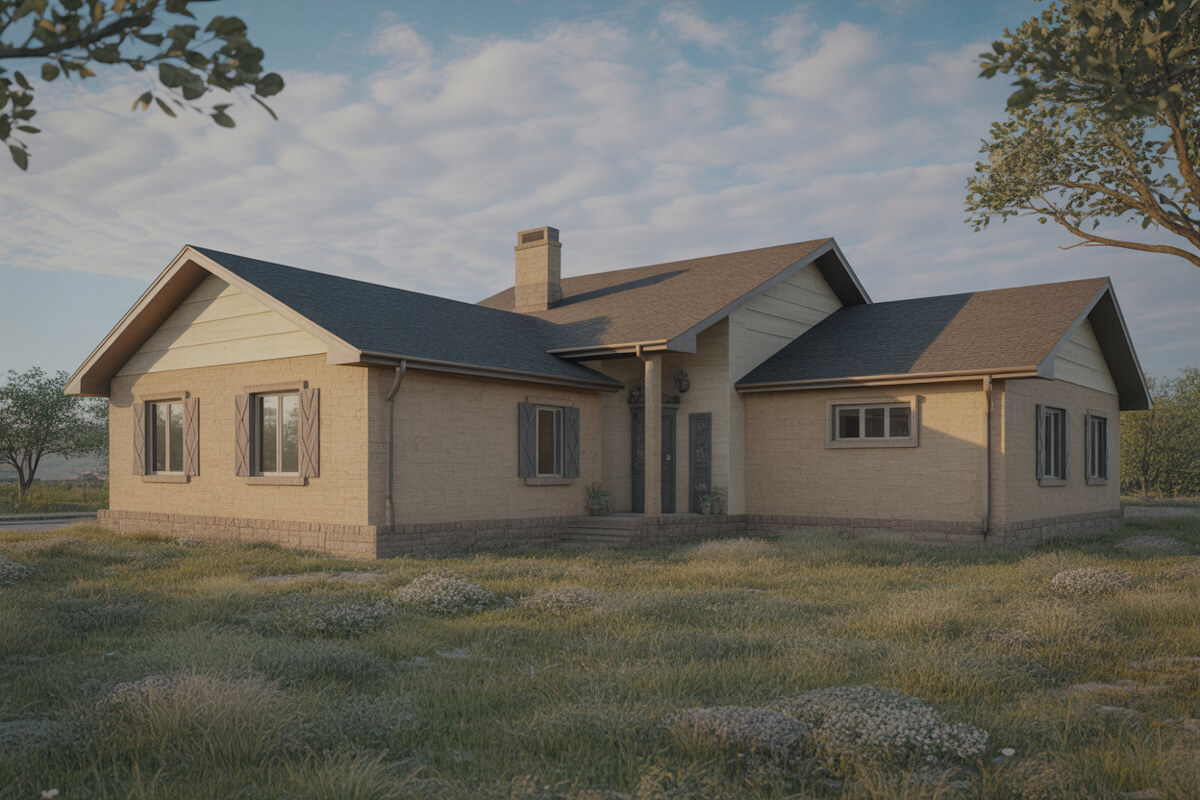
    Ranch homes came to North America as a response to wide plots, open skies, and a desire for easy indoor-outdoor living. They are still popular because everything sits on one level, and the layout tends to feel relaxed. When you look at these homes through a Vastu lens, the single-floor footprint helps a lot, but it also brings some challenges you should handle with care. This guide walks you through practical steps that fit real floor plans across the US and Canada, whether your ranch is from the 60s or a newer build with modern updates.

    Understanding How Vastu Works in Ranch Homes

    Vastu is simple when the layout stays flat. No stairs. No stacked floors. That alone gives you a better flow of energy. Rooms that sit too far off to one side, strange additions, or oversized garages can change the balance. You do not need to overhaul your house. You just need to read how the plot sits, how sunlight enters, and where key rooms have landed.

    Ranch homes often stretch long east to west. This can work well when the main rooms receive morning light, but many older designs face the wrong direction for your daily rhythm. The goal is to support what your home already offers. If your house pulls in sun from the rear patio or has a wide front porch, you can use those features to strengthen weak zones. You will notice that Vastu for ranch-style houses is never about extreme fixes. It is about steady adjustments you can maintain.

    Ideal Directions for Entrances in Ranch Homes

    Front entrances set the tone for your day. Ranch houses in North America usually have the door centered or placed slightly to one side of the façade. Sometimes it has been moved during remodeling.

    If your door sits in the north, northeast, or east part of the house, you have a comfortable start. These zones support clarity and smoother decision making. When the door is in the southeast or southwest, you can still correct the imbalance with small moves.

    Placing a tall, healthy plant a few feet from a south or southwest entry steadies the heavier feel. Keeping the entry well lit helps the energy travel inside without dragging. If your door opens straight into the living room without any buffer, consider adding a simple console table or a short divider panel. You are not blocking the path. You are just slowing the rush that usually comes through a ranch entry.

    Vastu for Living Rooms in Ranch-Style Houses

    Most ranch living rooms sit near the entrance and stretch to one side. In many homes across the US and Canada, the living room receives afternoon light. From a Vastu perspective, this can sometimes feel heavy toward the end of the day.

    If your living room is in the northeast, keep it open and bright with neutral walls and fewer bulky pieces. When it sits in the northwest, focus on better airflow. A simple ceiling fan or larger window treatment that opens fully works fine.

    Avoid placing the main sofa with its back toward the entrance. People walking in should see seating that feels welcoming, not a wall of upholstery. If your living room spills into a dining room without a break, use a floor rug to separate zones. Ranch houses often come with long narrow spaces, so creating these subtle boundaries helps maintain balance.

    Vastu Tips for Kitchens in Ranch Houses

    Kitchens in ranch homes usually fall in the middle or toward the back. Builders often squeeze them between the garage and the living area. For Vastu, the southeast zone is the best location. Lots of older ranch houses in North America end up with the kitchen in the southwest because of plumbing lines and original floor plan constraints.

    Cooking facing east is the preferred orientation. If your stove faces another way, place a small mirror on the wall behind you so you can still see the direction of light indirectly. The goal is to support your posture and awareness.

    Keep heavy appliances on the south or west side of the kitchen. Lighter elements like herbs, small plants, or a water filter can sit in the north or northeast corner. Ranch kitchens often lack windows. If your space feels tight, introduce brighter bulbs and keep counters clear. This alone changes the way the room feels.

    Vastu for Bedrooms in Ranch-Style Homes

    Bedroom placement matters because ranch homes keep all rooms on one level, and sound travels easily. The master bedroom in the southwest helps you feel grounded. Many newer ranch homes place the primary suite on one end and the kids’ rooms on the opposite side. That works well for privacy and also supports Vastu balance.

    Keep your bed so your head rests toward the south or east. Avoid placing the bed directly under a window because these houses often have low sills that bring in too much draft. If the bedroom sits in the northeast, keep colors lighter and avoid heavy beds or thick oversized nightstands.

    A northwest bedroom can feel active, so it may suit guests or older kids who stay up later. If you have a split-bedroom ranch with the master in the southeast, balance the room with earthy elements on the southwest corner of the bedroom like a solid wooden dresser.

    Vastu for Home Offices in Ranch Houses

    Working from home is common across North America, and ranch homes often convert spare bedrooms or dining areas into offices. The north or northeast works well for focus and smoother workflow.

    Sit facing east or north if possible. Avoid placing your desk in the southwest because it can make you feel stuck. If you cannot move the desk, place a sturdy piece of furniture behind you instead of an open doorway. This gives a sense of support during long workdays.

    Keep your electronics organized. Ranch homes have fewer wall outlets, and cables often pile up. A clean workspace keeps energy moving without interruption.

    Run a Quick Vastu Report

    Bathrooms and Laundry Rooms in Ranch Layouts

    Ranch houses usually place bathrooms along a single hallway or near bedrooms. These rooms often fall in the north or northeast, which is not ideal in Vastu, but easy to manage.

    Keep bathroom doors closed when not in use. Make sure exhaust fans are working because ranch homes tend to trap steam. If your bathroom is in the northeast, maintain brighter lighting and use light wall colors.

    Laundry rooms in ranch-style houses often sit near the garage or kitchen. The west or northwest works fine for laundry. Keep clutter under control. Piles of clothes near entries or hallways slow down movement across the house.

    Garage Placement and Vastu in Ranch Homes

    Ranch homes usually feature an attached garage placed on the west or northwest. This is generally acceptable. When the garage sits in the southwest, keep the door to the interior entry well maintained and avoid storing unnecessary items. This part of the house can get heavy fast.

    Avoid using the garage as your main entry if it leaves the front door unused for weeks. You want some movement near the official entry so the house stays active. Even if you walk through the garage daily, try to open the main door for a few minutes whenever you can.

    Vastu for Open Floor Plans in Ranch Homes

    Modern ranch remodels knock down walls. Open kitchens, dining, and living zones dominate many renovated homes across the US and Canada. This creates bright interiors, but sometimes the energy circulates too quickly.

    Define the zones. Use area rugs, partial dividers, or a change in flooring material. Keep the northeast corner open and free of tall furniture. If your open layout spills into a long corridor, hang softer lighting to slow the pace of movement.

    If your living and dining share the same wall of windows, keep plants in the east or north side. Avoid placing too many large pieces on the north wall because it restricts natural flow.

    Vastu for Windows, Natural Light, and Ventilation

    Ranch homes often have large front windows but limited windows in the back. Light distribution matters. North and east windows bring steady, calm light. West windows bring afternoon heat that can feel overwhelming.

    If your house is flooded with west light, try sheer shades that cut glare without blocking the view. Keep the east side of the house as open as possible. Even if the window is small, make sure furniture does not block it.

    Ventilation is key. Many ranch houses rely on cross-breeze. Keep windows in opposite rooms functional. If they are painted shut, it is worth fixing them. Stale air carries a sluggish feel you do not want in a single-story home.

    Vastu for Exterior Areas and Backyards

    The exterior matters as much as the interior. Your driveway, pathways, and backyard layout all influence the balance.

    A clean, unobstructed path to the front door helps energy move smoothly. Avoid blocking this path with oversized planters or décor. The backyard in the north, northeast, or east should stay open and tidy. If your backyard slopes downward, keep the inside rear zone lighter and uncluttered to compensate.

    Decks and patios are common in ranch-style houses. Place seating on the east or north side when you can. Heavy grills or outdoor kitchens work better on the south or west side of the patio.

    What to Do When Your Ranch Home Cannot Change Much

    Many homeowners in the US and Canada deal with fixed layouts. Plumbing might stop you from moving the kitchen. Structural beams might freeze your bedroom locations. In these cases, use Vastu adjustments that work with what you already have.

    Keep clutter low. Maintain light distribution. Don’t overload corners with heavy furniture. Use color changes when you cannot move walls. Even simple placement tweaks can improve balance.

    If the house feels off in certain areas, stand there during different times of the day. Pay attention to airflow, smells, and sunlight. You will notice patterns that guide your adjustments.

    Try Your Free Vastu Check

    Final Thoughts on Applying Vastu to Ranch Homes

    Vastu for ranch-style houses is about understanding how a single-level layout interacts with directions, light, and function. You do not need extreme changes. Most homes respond well to small steps that respect how people actually live in North America.

    Walk through your house slowly one day. Notice what pulls you, what feels heavy, what feels forgotten. Once you see the layout clearly, applying Vastu becomes easier than you think.

  • Garage Placement Vastu: Corrections for Modern Western Homes

    Garage Placement Vastu: Corrections for Modern Western Homes

    Garage placement shapes how energy flows through a home, especially in Western layouts where garages often sit in front or dominate one entire side of the property. If you live in the US or Canada, your garage is probably attached, often used as a main entry, and filled with everything from tools to bulk groceries. Many people forget that this space affects the rest of the house. In Vastu, any large structure that holds weight, vehicles, storage, and movement has a direct influence on stability, health, and day to day experience.

    This guide breaks down how garage placement works in Vastu, what typical Western homes get right, where things go wrong, and what you can fix without rebuilding. You will find practical corrections for small townhomes, suburban homes, duplexes, and larger custom-built houses.

    Let’s walk through it step by step.

    Why Garage Placement Matters

    A garage is a heavy zone. It stores vehicles, tools, chemicals, and bulk items that carry dense, stagnant energy. When this mass sits in a careless spot, the effect often shows up as slow progress, financial dullness, relationship tension, or general fatigue. People rarely link it to the garage, but Vastu treats every structural block as part of the home’s system.

    In Western houses, the garage door becomes the front door for many families. Kids enter through it, grocery bags pass through it, and pets wander through it. That means the energy entering the home does not start from the official front entrance. It starts from the garage. So a poorly placed or messy garage can change the mood of the whole house.

    A solid garage placement supports movement. It supports income flow. It supports clarity. A wrong one creates friction that wears you down.

    Ideal Directions for Garage Placement

    West or Northwest

    For most Western properties, these directions work best. The movement of cars fits the air element in the northwest and the setting energy in the west. A garage in these spots keeps the active zone away from personal spaces and prevents rest areas from feeling disturbed.

    Many suburban houses already follow this without knowing. If your garage is on the west or northwest, you already have an advantage. Just make sure the internal entry into the house is not dark or crammed.

    North

    A north garage can work well if the driveway flows smoothly and the garage does not block natural light into the main home. This placement supports finances and practical decisions, provided the area stays clean and not overloaded with clutter.

    Southeast and Southwest

    These are the most complicated directions. In Vastu, southeast relates to fire. Southwest relates to stability. Heavy activity in either direction can disrupt the balance of the entire house.

    A southeast garage can create irritability, fast draining expenses, or sudden conflicts. A southwest garage can bring stuck situations, resistance to change, and relationship strain.

    Do you need to panic if your home has this? No. Western homes are built this way all the time. There are steady ways to fix it.

    Attached vs Detached Garages in Western Homes

    Most US and Canadian houses have attached garages. This changes how energy flows compared to older Vastu layouts in India.

    Attached Garages

    These need more correction because they connect directly to living areas. If your garage shares walls with a kitchen, living room, or bedroom, its influence reaches these rooms quickly.

    You also get noise, fumes, and clutter flowing inward if the door stays open or poorly maintained.

    Detached Garages

    These are easier. Detached structures have less impact because the connection is weaker. Only the placement direction and the walkway matter.

    If you have a detached garage in the southwest, the effect is not as intense as an attached one. Still, basic corrections help.

    Common Problems in Western Garage Designs

    Oversized Front Garage

    Many homes show a big garage facing the street and a small front door tucked to the side. This reverses the natural invitation to the home. Energy enters through the garage first, not the actual entrance.

    This can create a low sense of identity, strained focus, and difficulty feeling settled.

    Garage Entry Used as Main Entry

    When everyone uses the garage door instead of the main entrance, the home becomes function-focused instead of intention-focused. It encourages rush, routine fatigue, and a sense of being on autopilot.

    You might notice that conversations near the garage entry feel abrupt or practical but rarely relaxed.

    Clutter Overload

    Garages in the US and Canada often turn into storage units. Sports gear, holiday decorations, paint cans, extra appliances, old furniture, everything ends up here. This blocks movement and keeps energy stuck.

    Door From Garage Opening Directly Into Kitchen

    Very common in newer builds. This rushes practical activity straight into the fire zone. It can disturb balance in finances or cause quick tempers.

    Bedrooms Above Garages

    Another common issue. Kids or adults sleeping above a garage often feel restless or unfocused because of the hollow, heavy space beneath them.

    Direction Wise Corrections

    No need to break walls or shift the entire structure. These updates work even in tightly built neighborhoods.

    If Your Garage Is in the Northwest

    This is usually good. Strengthen it by keeping the garage bright and not overly packed. Airy zones support the northwest well.

    A white, light grey, or pale blue touch on walls helps keep the movement smooth.

    If Your Garage Is in the West

    Also a stable placement. Keep the garage organized. Too much clutter here can create slow progress. Use warm neutrals like beige or earthy tones to support the natural energy.

    Place heavier tools or cabinets along the south or west wall inside the garage.

    If Your Garage Is in the North

    Keep this area clean and open. Avoid blocking the driveway with extra cars or bins. Since north connects with clarity and income, any obstruction can slow growth.

    Try a soft white or mild green color inside. Make sure the internal door to the house opens smoothly.

    If Your Garage Is in the Southeast

    This zone already carries fire energy. Cars bring metal and motion, which can clash.

    Use these corrections:

    • Keep the garage extremely tidy.
    • Avoid storing flammable materials.
    • Add pale green or mud toned colors to reduce heat.
    • Place a small indoor plant near the garage entry into the house.
    • Keep the door between house and garage well lit.

    If possible, avoid using this door as your main entry.

    If Your Garage Is in the Southwest

    This is the hardest direction for a garage because southwest should stay heavy and calm, not active.

    Try these steps:

    • Keep the garage packed neatly. Heavy storage actually helps settle the energy.
    • Solid colors like brown or earthy grey work well.
    • Do not use this space as main entry.
    • Use a grounded doormat or natural fiber rug inside the connecting door.

    If your bedroom sits above this garage, add thick rugs, wooden furniture, or a solid headboard to create grounding.

    Try Your Free Vastu Check

    Layout Corrections for Common Western Issues

    When the Garage Overshadows the Main Entrance

    Make your actual front door more inviting. Add lights, a clean walkway, or a clear visual highlight. The idea is to signal that the main door is the real entry for energy.

    Keep the garage door closed when not in use. Many families leave it open for hours. That disrupts the flow.

    When You Use the Garage as the Main Entry

    Shift at least the start and end of your day to the front door. Even if you enter through the garage after grocery shopping, take a moment to use the main door in the morning or evening.

    Place a small calming feature near the garage entry door inside the house. Something simple like a soft light or neat console table.

    When Clutter Takes Over

    Garages tend to pile up. Once items sit for months without use, the space turns into a stagnation pocket.

    Try these steps:

    • Remove unused items every season.
    • Keep the floor open.
    • Store tools in one area, sports items in another.
    • Add bright lighting so the space does not feel dull.

    You do not need fancy organizing systems. Just functional zones.

    When the Garage Door Opens Into the Kitchen

    Place a stable mat or rug between the two areas. Add a warm light near the door to soften the movement.

    If you feel rushed or irritated every time you step in, slow down your entry by placing a small buffer zone. A slim shelf, a basket for keys, or even a tidy corner helps.

    When Bedrooms Sit Over the Garage

    These rooms often feel unsettled. Improve grounding inside the bedroom. Use wooden elements, earthy bedding, or a solid bed frame.

    Avoid hollow metal beds or flimsy furniture here. The goal is to create weight above an active zone.

    Driveway Placement and Its Effect

    The driveway affects how movement reaches the garage. A smooth, open driveway supports better flow. A crooked or blocked driveway disrupts it.

    If your driveway slopes down toward the house, keep it clean. Poor drainage or piles of leaves at the bottom can create heavy stagnation near the garage entrance.

    If the driveway comes from the north or east, you get a gentle, supportive entry. If it comes from the south or west, keep the area lit and organized to avoid a heavy feel.

    Interior Entry From Garage to House

    This small door carries more impact than people expect. It becomes the silent energy gateway.

    To maintain clean flow:

    • Keep this door in good shape.
    • Avoid cracked paint or squeaky hinges.
    • Add warm lighting.
    • Keep the immediate area inside free from shoes and random items.
    • Use a tidy shoe rack instead of piling items by the door.

    If the entry falls in a sensitive zone like the southwest or southeast, add grounding elements like a wooden console or an earthy rug.

    Garage Colors That Work Well

    Since garages handle metal, weight, storage, and active movement, you do not want high stimulation. Go for steady tones.

    Good choices:

    • Light grey
    • White
    • Soft beige
    • Pale green
    • Muted blues

    Avoid very bright red or orange inside a garage. These amplify fire and can cause restlessness.

    Placement of Tools, Storage, and Heavy Items

    Where you keep heavy items inside the garage matters.

    South and west walls are ideal for cabinets, shelving, and tool stations. These directions naturally hold weight well.

    Keep the north and east walls lighter. These sides should stay open or have minimal storage.

    If your garage is small and you must use all walls, at least avoid heavy overhead cabinets on the east side.

    Cars and Parking Direction

    Park the car facing east or north whenever you can. It supports smoother departures and a calm start to the day.

    If the garage design forces another direction, that is fine. Just avoid leaving the car very close to the internal entry door. Leave enough breathing space.

    Lighting and Ventilation

    Dark garages trap energy. Western garages are often windowless, so you depend on artificial light.

    Add brighter lighting, not yellow and not too dim. At least two light points help.

    Better ventilation also reduces heaviness. Open the garage door for a few minutes on days you are home to let the old air out.

    What To Avoid Inside the Garage

    Try not to store these near the internal door:

    • Sharp tools
    • Heavy chemicals
    • Garbage bins

    They create pressure on the home entrance.

    If you must keep them, place them farther from the connecting door and behind cabinets.

    Simple Daily Habits That Keep Garage Energy Balanced

    • Turn on the garage light for a minute before stepping in
    • Keep the garage door closed when not in use
    • Clear out unused items every season
    • Sweep once a week
    • Avoid leaving the car running inside the garage for too long

    These small habits change the feel of the space in a big way.

    When Garage Placement Creates Noticeable Problems

    You may start seeing clues. Maybe finances fluctuate, maybe sleep quality dips, maybe family members argue more near the connecting door. Maybe you feel drained when you enter through that area.

    The goal is not to fear the direction. The goal is to adjust the flow.

    Once you tidy the garage, manage lighting, choose stable colors, and shift how you enter the home, the space feels different. Problems that felt stubborn often ease up with small tweaks.

    Run a Quick Vastu Report

    Final Thoughts

    Western homes treat garages as practical zones, but the way they sit in the layout shapes how the rest of the house feels. You do not need perfect Vastu to have a stable home. You only need awareness and small corrections that support movement, grounding, and clarity.

    Whether your garage sits in the northwest or the southwest, you can improve the energy without changing the structure. Keep the space organized. Highlight the main entrance. Use grounding or calming colors. Adjust how you enter and move through the area.

    Simple changes create sharper comfort in everyday life.

    If you want help reviewing your exact garage direction or floor plan, feel free to share it.

  • Remedies Without Demolition: 5 Simple Solutions for an Empty Southwest Corner

    Remedies Without Demolition: 5 Simple Solutions for an Empty Southwest Corner

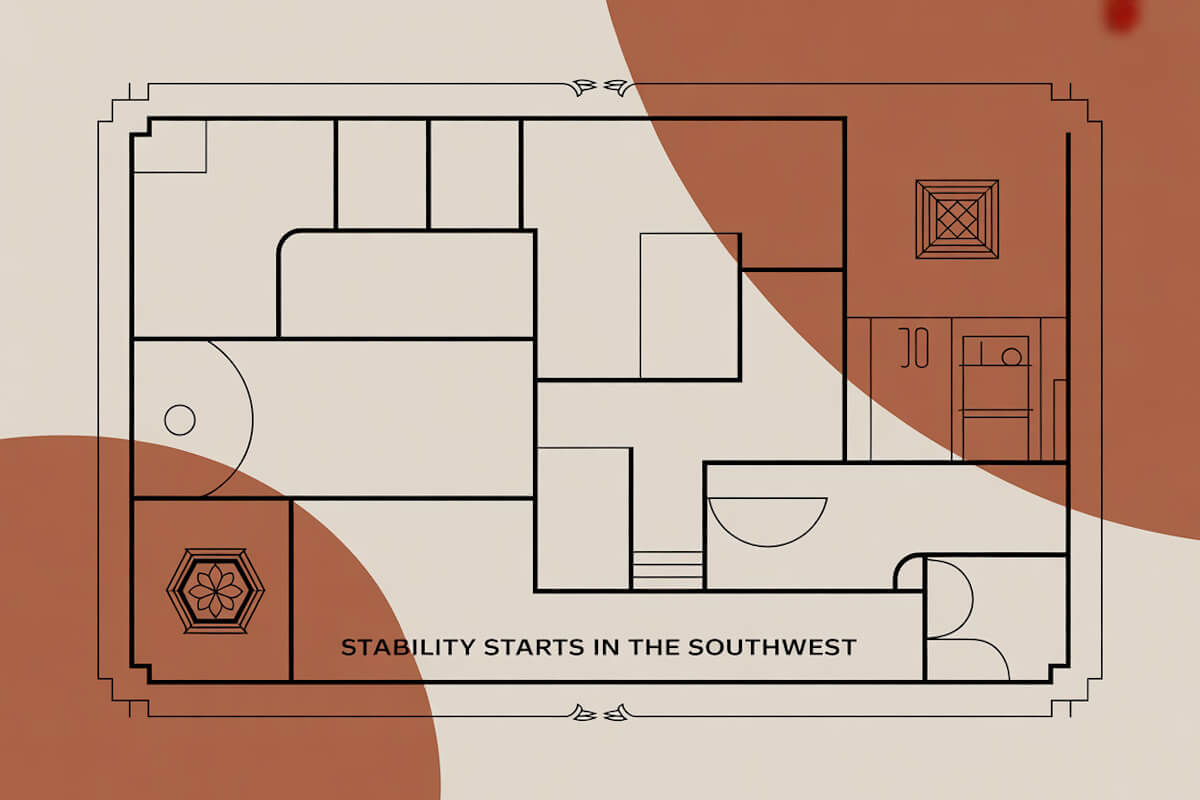
    An empty southwest corner can make you uneasy, especially if you keep hearing that this zone affects stability, money flow, and how grounded you feel at home. You might be dealing with a missing corner in an apartment layout, an open patio in the southwest, or maybe that part of the house is just hollow or underused. Many people assume they need construction work to fix it, but you can correct the imbalance with simple steps that do not involve tearing walls down.

    The southwest zone carries heavy earth energy. It likes weight, depth, and slow movement. When it sits empty, the space feels loose. You may notice that decisions drag, routines fall apart, or the home does not feel settled. These fixes help you create more weight and stability so the southwest corner starts doing its job again.

    Before you start, figure out where the southwest corner actually is. Use a regular phone compass. Stand in the center of your home and check which area falls in that direction. If it lands in a balcony, cutout, staircase void, or bedroom corner with nothing substantial, the space needs help. Each remedy works even if the southwest zone belongs to a neighbor above or below you in a high rise. The goal is to create the right cues inside your unit so the energy feels anchored.

    Now let’s break down five solutions that work without demolition.

    1. Add Weight and Earthy Mass Through Furniture Placement

    Southwest is the heaviest zone in the house, so adding weight is the easiest fix. You can do this in apartments, condos, townhomes, or any layout where construction is impractical.

    Put the biggest and most stable item of furniture you own in this corner. A filled bookshelf, sturdy cabinet, or a chest with thick wood works. Even a couch with a solid back makes a difference. The goal is to ground the space, not decorate it for appearances.

    If you have a living room in the southwest, place your heaviest seating here. If it is a bedroom, let your bed or a dresser anchor the zone. Avoid open legs and lightweight frames. Southwest likes density, not airy pieces.

    In smaller homes, this corner sometimes ends up being a walkway or partial area. Do what you can. Even a compact but weighty cabinet with storage helps. If the southwest corner is outside the built area, like an open balcony or patio, place a planted ceramic pot with soil against the inner southwest wall of your living space. Soil brings earth energy back into the home.

    People often underestimate this step. Yet weight alone settles the entire energy of the house. You can feel it once the corner stops looking empty and starts holding something substantial.

    2. Strengthen the Corner With Earth Colors and Materials

    Color is one of the simplest ways to repair an incomplete southwest area. Earth tones support this direction because they echo stability. You do not need to paint the whole room. Focus on the wall or zone that falls directly in the southwest. A single panel or textured surface creates enough anchoring.

    Shades that work:

    • Mud brown
    • Sand
    • Warm beige
    • Clay
    • Deep taupe

    Keep the color matte instead of shiny. Smooth surfaces feel too light for this corner. If painting is not possible, let a large earthy element dominate the zone. A textured rug, a stone based decor piece, or even a terracotta style lamp makes a difference.

    If you prefer a modern look, use finishes like concrete texture wallpaper or natural wood panels. Even a brown fabric headboard, if the bed sits in the southwest, can act as your earth element. Try not to add blues, silvers, or bright reds. They move energy away from stability.

    Color shifts the feel instantly. If the southwest corner looks washed out or blank, it is missing the grounding effect that this direction needs.

    3. Use Metal Sparingly and Focus on Earthy Decor

    Metal has its place in the house, but not in the southwest corner. Too much of it makes the zone unstable. That is why homeowners should favor clay, stone, wood, or soil based decor here. When the corner is missing or hollow, earthy decor fills the gap.

    Good picks include:

    • Terracotta pots filled with soil
    • Stone statues or carved stone decor
    • Ceramic vases
    • Wooden trunks or chests
    • Rock salt lamps
    • Indoor plants with thick leaves in heavy planters

    A single solid item is better than several small pieces. Clutter weakens grounding energy, so pick one strong element that can sit quietly and do its job. You are not trying to create an altar or a display shelf. You only want a point of stability.

    If your home has minimalist interiors, pick one heavy piece that still matches your look. A neutral stone sculpture or a solid wooden block stool works even in modern condos.

    Be careful not to overwhelm the space. Too many earthy items create heaviness, not grounding. The corner should look balanced, not crowded.

    Start Your Free Vastu Analysis

    4. Increase Stability With Lighting and Repair Work

    Many homes have issues like cracks in the southwest wall, chipped paint, or dim lighting. These problems matter more in this corner than anywhere else. The southwest zone supports long term stability, so any form of neglect weakens the effect.

    Start with lighting. Use a warm light source that shines softly and steadily. Avoid flashing lights or pendants that swing. A lamp with a warm glow strengthens the mood and gives the corner a complete feel.

    Next, deal with repairs. Fix cracks, dampness, or peeling areas. The southwest wall should be the most solid part of the home because it represents the backbone of the property. Even in rental units where you cannot modify everything, patching up visible issues still helps.

    If the southwest corner includes a door, keep it sturdy. Loose hinges, squeaky sounds, or poor alignment create imbalance. Doors in the southwest are generally not ideal, but if one exists, maintain it well and keep it shut when not needed. Small actions can bring a sense of control back to the area.

    If you have a bathroom in the southwest, use heavier decor and earth tone colors to counter the draining effect. Add a stone piece or ceramic decor on the exterior wall of that bathroom if possible. It gently offsets the weakening impact.

    Good lighting and proper maintenance might feel too simple, yet the southwest corner responds very strongly to these touches.

    5. Symbolic Remedies That Work When the Corner Is Missing Completely

    Sometimes the southwest corner is not inside your house at all. You may have a layout with a cutout, a missing square, or a layout where the southwest falls in open space. In such cases, symbolic remedies help you regain the missing energy without constructing a new wall.

    The easiest method is to place a weighted decor item on the southwest boundary inside your home. This can be a heavy ceramic pot filled with soil, a stone statue, or a wooden chest pressed against the inner southwest wall. If the corner sits outside on a balcony, anchor the interior wall that corresponds to that direction.

    Another approach is to visually complete the corner. Create a small seating nook, a large framed artwork, or a decor unit in the zone. The goal is to make the southwest feel like a complete corner again even if the structure is missing.

    You can also use a square shaped item like a wooden cube, a solid box, or a thick stone tile placed along the southwest line. Earth element loves square shapes because they feel firm. Place the object in a way that it marks the missing segment.

    Avoid mirrors or reflective surfaces in this direction. They lighten the corner too much.

    If you want something subtle, use a heavy rug in earth tones. Place it exactly where the southwest energy falls. The rug does not have to be large. It works because rugs create a sense of mass and coverage. People often overlook rugs as a remedy, yet they help complete corners that feel hollow.

    Symbolic fixes help you create psychological and energetic completion without physical renovation. They work surprisingly well in rental homes and modern apartments where structural changes are impossible.

    Bonus Tips To Keep the Southwest Corner Balanced Long Term

    A few ongoing habits keep the southwest strong and grounded.

    Keep movement low in this corner. It should not be a high traffic path. If you have no choice, at least let the decor or furniture reduce the sense of through motion.

    Avoid placing water features here. No fountains and no aquarium. Water weakens earth energy.

    Limit electronics. A television in the southwest often disrupts the stability of the home. If you have one there already, place a heavy decor piece below it on the cabinet.

    Keep the southwest tidy. Messy corners pull the energy down. A clean, settled southwest corner leads to a more settled home.

    Use heavier curtains if the southwest has large windows. Light flowing curtains move too much and soften the grounding.

    Tiny details matter. Sometimes a simple furniture reshuffle changes the feel of an entire space.

    Why These Fixes Work Even Without Construction

    People often think that a missing corner means the home is permanently flawed. That is not the case. Every home has some imbalance. Vastu is not about perfection. It is about shifting the weight and energy so the home supports you.

    Earth element responds to physical weight, color, shape, and stillness. When you add these qualities through furniture, decor, or lighting, you recreate the effect of a complete southwest zone. You may not build a wall, but you give the space the cues it needs to behave like one.

    Most people notice subtle shifts after correcting the southwest. The home starts feeling more grounded. Daily routines get smoother. Decisions feel clearer. You may even feel more settled emotionally. These are all signs that the southwest corner is holding its weight again.

    The key is consistency. Once you fix the area, keep it stable. Avoid making this corner a storage dump. Avoid overly bright colors or hyperactive decor. Let the corner feel calm and heavy.

    Get Instant Vastu Report

    Putting It All Together

    An empty southwest corner does not have to stay a problem. You have options that do not involve demolition or expensive construction. Start with weight. Add earth tone touches. Strengthen the corner with good lighting and quick repairs. Use symbolic elements when the corner is missing altogether.

    Walk to your southwest corner today and look at it with fresh eyes. Does it feel empty or neglected. Does it feel too light or too open. You can shift that with very simple steps.

    A home responds when you create the right cues. The southwest corner anchors your space. Once you support it, the rest of the house starts falling into place naturally.

    If you want, I can help you map your exact southwest corner using your floor plan.

  • Vastu for Toilets and Bathrooms: Location, Remediation and Elemental Balance

    Vastu for Toilets and Bathrooms: Location, Remediation and Elemental Balance

    Toilets and bathrooms create a lot of confusion for homeowners. You might hear people say these spaces ruin the energy of a house or block progress. Others barely think about it. The truth sits somewhere in the middle. A toilet is a functional space. It carries waste away. That means you work with it carefully but without fear. When placed with thought and handled with simple corrections, it keeps things smooth in any home or commercial space.

    This guide walks you through practical Vastu for toilets and bathrooms for apartments, high rise buildings, independent houses, and condos. You will get clear steps that suit modern construction, not old structures from traditional towns. You will understand where these rooms fit, how to correct them when they fall in the wrong zone, and how to keep the five elements stable.

    Many readers get stuck because every website gives different directions. Let’s remove that confusion.

    Why Toilets Need Special Attention

    A toilet carries two strong energies. One is the water element. The other is drainage. Water gives flow, movement and emotional stability. Drainage pulls things away. If these two forces sit in the wrong area, the direction loses strength. That shows up in life as obstacles, unclear decisions or scattered emotions.

    You do not need fear or superstition. You only need a setup that does not disturb the natural energy grid of the space.

    A bathroom is lighter. It brings water, cleansing and freshness. When a toilet and bathroom sit together, treat them as one unit.

    Best Location for a Toilet or Bathroom

    Every direction carries a different elemental influence. Once you understand that, the placement starts making sense.

    North West

    A toilet works fairly well here. This zone supports movement and outgoing energy. Since drainage also moves outward, the two match. You often see modern builders fix washrooms in this quadrant because it causes fewer problems for families.

    West

    This area handles stability and controlled expansion. A toilet is usually fine here. People living in apartments with west toilets rarely report major issues if other areas are balanced.

    South of South West

    This zone deals with letting go and deep storage. A toilet fits here because it carries a similar function. Homes with toilets in this area usually stay steady if the entrance and kitchen are correct.

    East of South East

    Another space where a toilet behaves reasonably well. It manages lighter fire energy mixed with movement. Not the best zone but manageable with small corrections.

    Locations that need more care

    These areas hold key elements. A toilet can disturb them if left uncorrected.

    North East

    This direction carries spiritual clarity and mental focus. A toilet here can create foggy thoughts, delays, or the feeling of being stuck. Many homeowners with North East toilets say decisions feel heavy or progress slows.

    South East

    This zone holds fire. A toilet brings water and drainage. These clash. Fire weakens. You might see irritability, financial dips or disturbed sleep here.

    North

    This area deals with career flow. Excess water or drainage can slow progress or disrupt opportunities. People often say work feels less stable when their toilet sits here.

    East

    This holds growth energy. A toilet weakens this zone. You may notice low motivation or trouble with new beginnings.

    South West

    This controls grounding and long term stability. A toilet here can bring stress, insecurity or property related hurdles if left unchecked.

    Toilet Position Inside the Room

    Sometimes the direction of the bathroom is correct but the internal layout is not. Small details inside the room matter.

    WC position

    Keep the toilet seat facing either north or south when you sit on it. Avoid facing east or west. The goal is to avoid facing the rising or setting energy while using a drainage function.

    Shower and bathing area

    Place the shower or bathtub in the north, east, or north east part of the bathroom. These zones carry water friendly energy. It keeps the room balanced.

    Basin or vanity

    Set the basin on the east or north wall. You want the lighter water usage in cleaner zones.

    Geyser or heater

    Place heating units in the south east or south. Do not keep them in the north or north east.

    Storage

    Use the south or west portion of the bathroom for cabinets or heavier items.

    Floor Levels and Heights

    A toilet should sit lower or equal to the main floor. Never keep it higher. Elevated toilets push downward energy into the rest of the home.

    Ceiling height should be normal. Too low creates pressure. Too high makes energy weak.

    If your bathroom shares a wall with the kitchen, keep that wall clean, dry and clutter free. Fire and water sit side by side which already creates tension. You do not want to increase that imbalance with damp patches or stored items.

    Door and Ventilation

    A toilet door should close properly. Gaps or broken hinges allow heavy energy to leak into the hallway or bedroom.

    Good ventilation is essential. Fresh air removes stagnant energy. A window in the east or north helps. If not possible, use a strong exhaust fan.

    Keep the door closed when not in use. This one simple habit prevents many issues.

    Elemental Balance Inside the Toilet

    Every toilet, regardless of location, needs steady elements.

    Water

    Keep water taps in the north or east part of the room. Fix any leakage fast. Drips disturb the water element and lead to dullness.

    Fire

    Use warm lights instead of harsh white lights. Fire creates cleanliness and removes dull energy. If the bathroom is cold and damp, energy becomes heavy.

    Air

    Ventilation keeps air moving. Bathrooms without ventilation feel lifeless. Stale air weakens the space.

    Earth

    Use stable flooring. Materials like tile or stone give grounding. Avoid bright, overly glossy floors.

    Space

    Keep the room open. Clutter kills energy. Store only what you need.

    Run a Quick Vastu Report

    Colors for Toilets and Bathrooms

    Toilets respond well to lighter tones.

    Soft whites, greys, light beige and pale blues work in most directions. These shades bring calmness.

    Avoid very dark shades in small bathrooms. They shrink the space and increase heaviness.

    If your toilet sits in a fire zone like the south east, keep colors neutral. Avoid too much red.

    If your toilet sits in the north east, use very light tones that do not disturb the clarity of that direction.

    Corrections for Wrong Toilet Placement

    Most modern homes cannot shift a toilet. Plumbing stays fixed. So you correct the energy around it.

    These fixes are practical and easy to apply without tearing walls.

    For North East Toilets

    Place light yellow or off white shades on the walls. Keep the space bright. Add a small natural stone near the entrance of the bathroom. Keep the door closed always. Place a mild air freshener with soft fragrances.

    Avoid heavy objects around the toilet area. Keep that corner neat.

    For South East Toilets

    This zone carries fire, so you support it. Use warm lights. Keep things dry. Avoid blue tones here. Place a small aroma diffuser with comforting fragrances near the outside wall.

    For North Toilets

    Use light colors. Fix any water leakage quickly. Keep mirrors clean. Add a simple indoor plant just outside the bathroom if space allows.

    For East Toilets

    Use white or pale beige tones. Avoid green shades inside. Keep the door closed. Make sure the shower area stays clean and dry.

    For South West Toilets

    Keep things stable. Use earthy tones. Add a heavier mat near the door. Maintain full cleanliness because this area holds long term stability.

    Apartments and High Rise Buildings

    Many readers live in apartments where toilets sit in fixed corners because of stacked plumbing lines. You cannot shift them even if you want to. So you work with what you have.

    If your toilet falls in a sensitive zone like the north east or south west, focus strongly on everyday habits. Keep the bathroom dry, filled with light, ventilated and clutter free. Presence of sunlight or a good exhaust fan helps a lot.

    If the toilet opens directly into a bedroom in an apartment, place the bed far from the bathroom wall if possible. Keep the door closed at all times. Use a soft room fragrance to keep the transition area pleasant.

    Do not hang heavy storage behind the toilet door. It creates pressure.

    Toilets Under a Staircase

    Many modern homes use the space under stairs for a small toilet. This creates tightness. If you have this setup, keep the colors light. Use warm lighting. Avoid storing anything above the toilet if there is a ledge or crawl space.

    Keep the ceiling cleaned of cobwebs. Low ceilings collect stagnant energy if not maintained.

    Attached Bathroom Opening into the Kitchen

    This setup is rare but exists in some older apartments. A toilet should never open into the kitchen since fire and waste do not go together. If you cannot change the layout, keep the kitchen area very clean, use strong ventilation and place a door curtain or partition to separate the zones visually.

    Shared Walls with Bedroom

    A toilet sharing a wall with the headboard of a bed can create restlessness. Shift the bed slightly if the headboard sits exactly behind the toilet wall. If that is not possible, keep that wall minimal with no heavy storage. Light colored paint helps soften the effect.

    Septic Tanks and Major Drains

    Independent homes and farmhouse style plots should keep septic tanks in the west or north west. Avoid them in the north east at all costs.

    High rise residents do not control the main drainage lines but should avoid keeping clutter near the common shaft area.

    Common Mistakes People Make

    • Using dark colors in a small toilet.
    • Blocking ventilation with stored items.
    • Leaving leakage unattended.
    • Placing mirrors facing the toilet seat.
    • Storing chemicals loosely.
    • Keeping the toilet door open most of the time.
    • Ignoring a toilet placed in a sensitive direction.

    All these weaken elemental balance.

    Simple Daily Practices that Improve Toilet Vastu

    • Wipe water from the floor after a shower. A dry bathroom always performs better.
    • Use soft fragrances. Avoid very strong chemical smells.
    • Keep the toilet seat closed when not in use.
    • Clean the exhaust fan regularly so airflow stays strong.
    • Do not keep random objects on the flush tank. These block movement.
    • Small habits bring big shifts.

    When You Have Multiple Toilets

    Many modern homes have several bathrooms. If one sits in a weak location, you can balance the home by strengthening the other key zones. Keep the north east clean. Keep the south east kitchen active. Keep the entrance clear. A single wrong toilet does not destroy the whole home. It only needs attention.

    Vastu for Commercial Washrooms

    Offices and clinics also deal with toilet placement issues. Keep washrooms away from the entrance. Maintain bright light. Keep mirrors spotless. A dirty commercial toilet drains productivity.

    Male and female washrooms should not sit in the prime growth zones like the north east or east. Try to keep them in the west, north west or south of south west.

    When the Builder Has Already Fixed Everything

    Most people move into finished homes. You cannot shift plumbing. You cannot break the slab. So you balance what you can.

    Use colors, lighting, cleanliness and direction specific remedies. Strengthen the main entrance. Maintain the kitchen zone well. Keep key rooms like north east and center clutter free.

    You create harmony by adjusting multiple points, not by obsessing over one toilet.

    Try Your Free Vastu Check

    Final Thoughts

    Toilets and bathrooms do not have to create fear. They just need thoughtful handling. When the placement is right, they stay neutral. When the placement falls in a sensitive direction, you apply corrections. It is a practical approach that suits real homes across cities.

    Work with the space you already have. Make small changes. Adjust habits. Support weak zones with simple remedies. Your home will respond with steady, comfortable energy.

  • Ayadi Sadvarga Calculations Explained: Measure Your Home for Perfect Compliance

    Ayadi Sadvarga Calculations Explained: Measure Your Home for Perfect Compliance

    Ayadi Sadvarga sounds complicated at first, but once you break it down, it becomes a very straightforward way to judge the energetic proportion of a home. People use it to see if the size of a house, apartment, plot, or commercial space sits in a supportive number range. You can apply it to new construction, remodeling, or when you want to check whether a property you’re thinking of buying matches your personal goals.

    Ayadi Sadvarga calculations come from traditional Vastu mathematics. They work on the idea that every built form carries a number pattern. When the dimensions fall in a supportive category, the space feels more stable. When they fall in a weaker category, you might notice friction or slow growth. This method helps you look at a property in a measurable way instead of relying only on gut feeling.

    This guide walks you through the full process so you can measure your home and check compliance without confusion. Keep it practical. Keep it honest. And if you’re buying, you can use the same steps before signing anything.

    What Ayadi Sadvarga Really Measures

    Ayadi Sadvarga focuses on six numeric factors connected to the length and width of a building. These are:

    • Aaya
    • Vyaya
    • Yoni
    • Riksha
    • Vashya
    • Marma

    Each one has a purpose. You take the main dimension, divide it by a specific number, and use the remainder to determine the category. Your final results help you understand whether the proportion encourages wealth growth, health stability, mental clarity, authority, peace of mind, or relationship balance.

    This is not guesswork. It’s math. When someone asks if a home is proportionally sound, these numbers answer that question clearly.

    Measurements You Need Before You Start

    Get a tape measure and measure the inside built-up length and width of the home. Do not include balconies that are not enclosed. Do not count projections or decorative cutouts. Stick to the usable floor dimension.

    For apartments, measure the usable internal length and width of the main rectangle or the dominant shape of the flat. If the layout is irregular, take the maximum continuous length and width that define the core footprint.

    For independent homes or plots, take the outer wall-to-wall length and width.

    Always record the numbers in inches. That makes the calculations cleaner.

    If the home is two-story or more, you only perform the calculation for the ground footprint.

    Once you have the length and width in inches, you can start calculating.

    Step-by-Step Ayadi Sadvarga Calculations

    1. Aaya (Gain Factor)

    Aaya tells you whether the overall size pattern brings financial growth or draining tendencies.

    Formula:

    • Convert length to inches.
    • Divide by 8.
    • Take the remainder.

    If the remainder is:
    1 Dhan
    2 Dhana
    3 Laabha
    4 Soukhya
    5 Yasha
    6 Dhairya
    7 Paapi
    0 Drohi

    The first six are supportive in different ways. The last two show resistance. You will want either remainder 1 to 6.

    Aaya carries weight when you decide between two similar homes. You might find both look good, but the one with a supportive Aaya tends to feel more aligned with progress.

    2. Vyaya (Loss Factor)

    Vyaya reflects what you may spend or lose through the property. It’s not necessarily bad. Homes cost money. The goal is to check whether the loss pattern matches the gain pattern.

    Formula:

    • Divide the same length (in inches) by 9.
    • Take the remainder.

    Ideal remainders are 1 to 4. Remainders above that show more draining patterns.

    When Aaya and Vyaya both look balanced, the home feels financially fair. If Aaya is strong but Vyaya is heavy, homeowners often describe constant repairs, rising bills, or slow appreciation.

    3. Yoni (Directional Flow Pattern)

    Yoni shows the directional energy flow of the home. Each remainder connects to an entry direction type. It helps ensure the structure supports the natural flow instead of fighting it.

    Formula:

    • Divide the width (in inches) by 3.
    • Take the remainder.

    If remainder is:
    1 East-facing flow
    2 South-facing flow
    0 West-facing flow

    Some practitioners cross-check ranking systems, but the simple version works fine for most people. Yoni issues often show up as discomfort near entrances or as awkward circulation in the house.

    4. Riksha (Star Quality)

    Riksha links the property to a Nakshatra group. People usually look for harmony between the owner’s birth star and the building star, but if you don’t have that data, you can still use Riksha to see whether the building sits in a supportive group.

    Formula:

    • Divide the length (in inches) by 27.
    • Take the remainder.

    If the remainder is 1 to 9, it falls into Group 1.
    10 to 18 falls into Group 2.
    19 to 27 falls into Group 3.

    Practitioners prefer Group 1 or 2 for residential spaces. Group 3 tends to feel heavy or slow.

    5. Vashya (Control Factor)

    Vashya indicates the dominant behavioral quality of the space. It’s used more often for commercial buildings, shops, offices, clinics, and rental properties where the owner wants stability and predictable flow.

    Formula:

    • Divide the width (in inches) by 8.
    • Take the remainder.

    Supportive results are 1, 2, 3, and 4.
    Higher numbers show weaker stability.

    This is useful when moving into a business space. Many people wonder why some shops get foot traffic but don’t convert. Vashya sometimes reveals the reason.

    6. Marma (Sensitive Spot Pattern)

    Marma checks whether the proportion of the home avoids sensitive number groups that create inner pressure or emotional tension.

    Formula:

    • Divide the length (in inches) by 7.
    • Take the remainder.

    If the remainder is 1, 3, or 5, the ratio usually supports clarity.
    Remainders 2, 4, 6, and 0 bring mixed results.

    Homes with poor Marma often feel unsettled. People complain about sleep problems or family disagreements. Marma doesn’t fix everything, but it highlights a numeric imbalance.

    What Good Ayadi Sadvarga Results Look Like

    You don’t need all six to be perfect. Real homes rarely come out that clean.

    When reviewing your numbers, look at the following pattern:

    • Aaya should fall in a gain category
    • Vyaya should stay in a low-loss category
    • Yoni should support the main entrance direction
    • Riksha should fall in Group 1 or 2
    • Vashya should stay between 1 and 4
    • Marma should avoid the heavy remainders

    If two or three factors go off, you can usually fix some issues through layout tweaks. If four or more fall into negative categories, the property might require bigger changes or may not be worth choosing.

    Get Instant Vastu Report

    How to Apply Ayadi Sadvarga to Apartments

    Apartments need a slightly more flexible view because you rarely get to choose the exact dimension. The internal shape might be rectangular or a stretched L. Focus on the main rectangle that defines the living room plus the bedroom block. Do not include balconies or recesses.

    If you feel unsure whether to include a dining extension or corridor, run the numbers twice and compare. People usually spot a pattern. The core rectangle still tells the truth.

    In tall buildings, the external site Ayadi matters less than the internal flat Ayadi. You live inside the unit, so the internal math carries more influence.

    Apartments with supportive Aaya and balanced Vyaya often feel easier to maintain. People living in supportive Yoni categories also describe smoother circulation and a more comfortable entrance flow.

    How to Use Ayadi Sadvarga for New Construction

    If you’re planning a custom home, you can use Ayadi Sadvarga before finalizing the architectural dimensions. Architects often work in feet, but you can convert to inches and adjust length or width slightly to reach supportive remainders.

    For example, shifting a length by two or three inches can move a remainder from a weak category into a strong one. Builders rarely mind such small adjustments.

    If you’re planning a remodel, you cannot change every wall, but you can sometimes alter the dominant length or width by adding or removing a small section during interior redesign. People do this when they want the final number to fall in a better group.

    Having supportive Ayadi Sadvarga before construction begins usually creates a cleaner planning process.

    Commercial Spaces and Ayadi Sadvarga

    For shops, offices, clinics, spas, and rental buildings, Vashya plays a stronger role because it reflects control and stability. Properties with weak Vashya often show unpredictable customer flow or staff turnover.

    Aaya and Vyaya also matter in business. A good gain-to-loss ratio brings steadier growth, especially for service-based businesses. For retail, Yoni becomes important because the directional flow affects how customers walk inside.

    If you lease a space, you can still measure the internal width and length. The math applies the same way.

    How to Fix Weak Ayadi Sadvarga Scores

    Not every negative remainder ruins a home. Some issues are fixable. Here are practical adjustments that owners use:

    1. Improve the energy flow

    A weak Yoni can improve when you alter circulation. This can be done by adjusting furniture layout or the direction you approach certain rooms. Entrances can also be corrected with lighting, clearer walkways, or shifting door emphasis.

    2. Strengthen supportive zones

    If Aaya shows a weak remainder, reinforce the North, Northeast, and East zones. Remove clutter, open drapes, and keep these areas active. For many homeowners, these small shifts noticeably change how the house feels.

    3. Balance weight distribution

    Poor Vyaya often shows imbalance in weight. Too much storage in the South or West might increase draining tendencies. Redistributing heavy items helps correct that.

    4. Add grounding

    Weak Marma can sometimes be soothed by creating quiet pockets in the house. People often add seating corners, soft flooring, or warm lighting in Northwest or Southwest rooms.

    These adjustments don’t replace construction math, but they help stabilize odd proportions.

    Mistakes People Make When Doing Ayadi Calculations

    You’ll want to avoid the common slip-ups that skew results.

    Measuring carpet area only

    Always use built-up internal wall-to-wall measurements. Carpet area ignores actual volume.

    Using outer balcony space

    Balconies throw off the width. Exclude them unless enclosed and part of the main conditioned space.

    Measuring only the big room

    Ayadi applies to the entire footprint, not the biggest room.

    Mixing feet and inches

    Do everything in inches. Mixing units leads to incorrect remainders.

    Forgetting to measure both width and length

    You need both. Some factors use length, some use width, and some use both.

    Accuracy matters here. Small measurement errors can change the category completely.

    Real Life Signs a Home Might Need Ayadi Review

    People usually look into Ayadi after experiencing certain patterns. For example:

    • The house feels nice but progress stays slow
    • Money comes in but goes out just as fast
    • Family arguments flare up without a clear reason
    • Opportunities show up late or fall through
    • The home feels heavy even when clean
    • Commercial spaces have foot traffic but not results

    These aren’t guaranteed conclusions, but they prompt people to check numeric harmony. Ayadi Sadvarga gives an objective lens when everything else feels subjective.

    Should You Reject a Home Based on Ayadi Alone?

    No. It’s one tool among many. Look at layout, direction, natural light, ventilation, entrance placement, room positions, and your personal comfort before you decide.

    Ayadi helps when you’re stuck choosing between two similar homes. Or when you’re deciding whether to remodel or move. Think of it as another layer of clarity.

    People also use Ayadi to predict long-term comfort. A home with a supportive Aaya and balanced Vyaya normally feels easier to maintain over the years.

    Ayadi Sadvarga and Plot Shapes

    If you’re buying a plot, the shape adds another influence. Square and rectangular plots produce predictable Ayadi results. Irregular plots complicate the math. In that case, measure the buildable rectangle inside the plot instead of the plot boundary.

    People planning new construction often pick a proportion that gives a supportive length-to-width ratio. Even a small shift can change the remainder category and improve the final outcome.

    Using Ayadi for Multi-Family Homes

    For duplexes and multi-family homes, use the ground floor footprint for the total structure. Then, if each unit inside has a separate entrance or unique floor plan, you can calculate Ayadi separately for each unit as well.

    In such homes, owners usually check three things:

    • The ground floor Ayadi
    • Their individual unit Ayadi
    • Their main entrance Yoni

    These combined give a clear picture of how the building behaves.

    Why Ayadi Works Well With Modern Homes

    Modern houses often have open layouts, irregular shapes, and multiple doorways. Many people feel unsure how traditional Vastu applies to such complexity. Ayadi cuts through that confusion because it looks only at the core proportion. You can use it on condos, townhomes, row houses, cottages, or commercial units.

    People who move frequently use Ayadi to check rental homes. It takes only a few minutes once you understand the method.

    And yes, you can use Ayadi even if your home has angled walls. Measure the longest continuous length and width. That rectangle defines the building’s numeric signature.

    A Simple Way to Review Your Final Results

    After completing each calculation, set your remainders side by side. Look for the general direction of the numbers. Supportive homes usually show a pattern that feels steady across most factors.

    If your results show:

    • 4 or more supportive remainders
    • 1 or 2 neutral
    • Maybe 1 weak remainder

    The house is normally fine. You can adjust interior flow as needed.

    If the results show:

    • 3 or more heavy remainders
    • Weak Aaya or heavy Vyaya
    • Weak Yoni direction

    You may feel friction in daily life. Some issues are fixable, but some properties fight back no matter how much you modify interiors.

    Trust the math, but also trust your lived experience.

    Try Your Free Vastu Check

    Final Thoughts

    Ayadi Sadvarga helps you judge the numeric fit of a home before you commit to it. When you combine these measurements with layout and direction, you get a complete understanding of how a property behaves.

    You don’t need perfect numbers. You need supportive patterns. When you take time to calculate each factor, you get a practical checklist that helps you make better decisions, whether buying, building, remodeling, or just trying to understand your current home.

    If you want, you can share your length and width measurements, and I can calculate your complete Ayadi Sadvarga chart for you.

  • Vastu Colours Guide: Balancing Interiors Through Elemental Harmony

    Vastu Colours Guide: Balancing Interiors Through Elemental Harmony

    Color shapes how a home feels the moment you walk in. You notice it before furniture or décor. Some shades wake you up. Others soften your breathing. When you look at Vastu through a practical lens, color becomes one of the simplest ways to support comfort and clarity inside a space. You do not need dramatic paint jobs or complicated rituals. You only need to understand how each direction connects with fire, earth, water, air, or space, and how you can use shades that work with those elements instead of fighting them.

    This guide focuses on real homes and real interiors. Apartments with odd window placements. North facing condos with huge glass walls. US homes with open kitchens mixed into living rooms. Townhouses where bedrooms fall in awkward corners. You can still create balance even if your layout is far from ideal. That is the point of using colors wisely. They adjust the mood without tearing down walls.

    Why Elemental Harmony Matters In Everyday Homes

    In Vastu, every direction holds an element. When you pair the right color with the right zone, the room feels natural. When you force an element against a direction, the space feels off. People often describe it as something they cannot explain but they sense it every time they walk through the room.

    You might have felt this yourself. A bedroom that seems too intense. A kitchen that feels heavy. A study where you cannot focus. Color contributes to that. You do not need to follow tradition blindly. You just need to pick tones that help each direction do its job.

    • North is water.
    • South is fire.
    • East is air.
    • West is earth.
    • Center is space.

    These five elements guide the main color choices. The trick is to use this map in a way that suits modern interiors where open plans blur boundaries. Let’s break it down room by room and direction by direction so you can decide what works for your home.

    North Direction – Water Element

    Colors That Support It

    North carries the water flow of the house. You want shades that feel clear and calm. Soft blues, icy tones, silver, and cool grays work well. These shades brighten a home without pushing too much energy onto the space. In apartments where the north wall gets strong daylight, lighter blues feel balanced. In darker corners, a pale icy gray keeps things fresh without making the room feel colder.

    Where These Colors Make Sense

    If your living room faces north, use lighter tones on the main walls. It gives the space a smooth and steady feel. In a home office in the north zone, lighter blues help with clarity. They support focus without making the mind restless. Bathrooms in this section already match the water element, so soft aqua or gentle gray keeps them balanced.

    What To Avoid

    Strong red, maroon, deep orange. These trigger fire against water. It feels off visually and energetically. Many people use red décor pieces near entertainment units. If that area falls in the north, shift the strong colors to smaller accents or move them to a fire zone instead.

    Northeast Direction – Spiritual and Clarity Zone

    Best Colors

    The northeast is sensitive. People often describe this corner as the quiet mind area. Pale yellows, off whites, cream, and very light blue feel right here. You want a gentle awakening effect.

    Practical Use

    If your main entry falls in the northeast, keep the foyer bright and open. In small apartments, this corner often holds a dining table. Use pale tones so meals feel calm and not rushed. Bedrooms here do best with soft shades since bold colors make the space feel too stimulating.

    What To Avoid

    Dark brown, charcoal, or any shade that creates a heavy atmosphere. This corner works best when it feels uncluttered in both color and layout.

    East Direction – Air Element

    Colors That Fit

    East works well with greens, leaf tones, and warm whites. These colors feel active without being loud. They refresh the mind. Light green promotes circulation of thoughts which makes east great for study spaces, family areas, or breakfast corners.

    Where To Use Them

    If you have tall windows on the east wall, gentle greens look especially good with morning light. A kitchen in the east can carry green backsplashes or soft white cabinetry. For offices or kids study desks placed here, a muted green accent wall keeps the zone lively.

    Colors To Avoid

    Dark blue or black. These make the air element feel restricted. Heavy reds also sit awkwardly here, especially in bedrooms.

    Southeast Direction – Fire Element

    Suitable Colors

    The southeast is the fire point of the house. Traditionally this is where kitchens belong. If your kitchen falls here, you can easily work with peach, coral, light orange, or soft pink. These tones support fire without making it aggressive.

    Use In Modern Kitchens

    Open plan kitchens in US homes often spill into living rooms. If the kitchen is southeast based on the overall layout, add fire tones in subtle ways. A coral backsplash, warm beige cabinetry, soft terracotta pots, or peach dishware can carry the fire element without overpowering the open area.

    What To Avoid

    Deep blues and blacks. These control fire too strongly and affect the natural warmth of the southeast. If you have dark granite, balance it with soft warm wall colors instead.

    South Direction – Strong Fire Zone

    Best Color Choices

    South zones do well with warm tones like deep orange, terracotta, brick shades, and earthy reds. These keep the fire element steady without making the room feel restless.

    Everyday Application

    In many apartments, the main bedroom sits in the south. Warm terracotta or muted coral on one accent wall works better than intense red. If your living room TV wall falls in the south, earthy tones keep the energy grounded.

    Avoid These Shades

    Cool blues, ice grays, or steel tones. These suppress the fire element and make the room feel dull or drained.

    Southwest Direction – Stability and Earth Element

    Recommended Colors

    Southwest loves earthy shades. Beige, tan, taupe, mud brown, and soft mustard feel stable. This zone is linked with strength and decision making. Earth tones support that weight.

    Where To Use Them

    Master bedrooms often fall here in single family homes. Many homeowners choose neutral palettes already, so this zone becomes naturally comfortable. Offices work well here too. Tan walls with minimal décor create a grounded atmosphere.

    Avoid Colors That Agitate

    Bright red or sharp orange disrupts the stable nature of the southwest. Deep black also feels too heavy here unless used in tiny accents.

    West Direction – Earth and Slight Water Mix

    Best Colors

    West works with neutrals and mild water shades. Sandy beige, dusty gray, cream, and light pastel tones help balance the mix of elements. This direction benefits from subtlety.

    Practical Use

    Kids rooms in the west should stay light. Too much color intensity makes bedtime harder. Living rooms with west windows look great with warm neutrals because the afternoon light softens them.

    Colors To Skip

    Sharp greens or bright yellows. They clash with the grounded feel of the west.

    Northwest Direction – Air and Movement Zone

    Colors That Support Movement

    Northwest connects with motion and change. Whites, off whites, cream, and very light gray work well. Pale beige also fits. These shades keep the zone flexible and airy.

    Real Life Application

    Guest rooms often land in the northwest. The soft neutral palette keeps the room comfortable for short stays. Laundry areas or utility corners in northwest benefit from a clean white look that keeps the zone feeling open.

    Avoid

    Strong blacks or deep browns that feel too heavy for an air-based direction.

    Start Your Free Vastu Analysis

    Center Of The Home – Space Element

    Suitable Colors

    The center of any home should feel clear. Off white, cream, or very light beige keeps this area easy on the eye. A crowded or dark center creates confusion in how the whole home feels.

    Application

    Many US homes have staircases or hallways here. Keep these spots bright. Reflective surfaces or light flooring help without needing bright colors.

    Combining Colors In Open Floor Plans

    Modern apartments often merge living, dining, and kitchen areas into one rectangle. If those zones fall across different directions, you might wonder which color wins. The good approach is to keep the main base color neutral and use direction-based accents.

    For example, if the open area stretches from east to southeast, you can keep soft white walls across the space and add green décor near the east portion while placing warm coral touches near the southeast kitchen. Rugs, curtains, wall art, or even subtle cabinetry finishes can carry the zone’s color.

    This approach works well when you do not want multiple paint colors in one open room.

    Handling Apartments With Limited Windows

    Many condos have only two sides with windows. This means some Vastu directions stay dark. Instead of forcing bright colors everywhere, choose tones that match the direction but still feel natural with low light.

    North zones with no windows can use soft icy gray instead of blue. Southwest bedrooms without sunlight do better with taupe instead of darker brown. Let the direction guide the shade, not the intensity.

    Color Mistakes That Throw Rooms Off Balance

    People often choose colors based on trends and then wonder why a room feels tense. Here are everyday mistakes that affect balance.

    • Too much monotone in the wrong zone. For example, a navy blue living room in the south. It feels drained.
    • Using heavy reds in a north facing bedroom. This creates strong discomfort during sleep because fire pushes against water.
    • Painting the entire home in one theme color. A single bold shade across all directions makes the space lose its natural variation. Each direction needs its tone.
    • Ignoring the center. People paint hallways dark to hide scuff marks. The center should stay light and simple.

    Using Color When Renovation Is Not Possible

    Sometimes you cannot paint walls. Rentals make this tricky. You can still balance zones with moveable items.

    • Cushions
    • Rugs
    • Curtains
    • Table mats
    • Planters
    • Artwork
    • Lighting shades
    • Furniture upholstery

    These items carry enough color to influence a space. For example, if your northwest room has dark walls because the landlord painted them gray, you can lighten the zone with off white curtains, cream bedding, and pale décor. It brings back the airy element.

    If your kitchen is north based and comes with dark cabinetry, use soft blue dish towels, silver accessories, or pale backsplashes through peel and stick tiles.

    Small changes go a long way.

    Choosing The Right Shade Within A Color Family

    Each color family has gentle and strong versions. Choosing the wrong variation can shift the vibe.

    • Blue can be calm or cold. North zones need calm, not icy discomfort.
    • Green can be refreshing or neon. East zones work with natural greens, not bright synthetic tones.
    • Red can be grounding or overwhelming. South zones need earthy reds, not harsh scarlet.
    • Yellow can feel warm or sharp. Southwest does better with mustard tones instead of bright sunshine yellow.

    When in doubt, lean toward muted versions. Muted shades blend better with furniture and flooring, especially in US homes where wood tones vary widely.

    Vastu Color Tips For Common Problem Areas

    North Toilet

    People worry about this because water on water creates excess flow. Keep the walls light gray or icy blue and avoid black. Add silver hardware. Do not use heavy décor.

    Southwest Kitchen

    This is a fire element placed in an earth zone. The key is to settle the fire. Use beige, cream, or warm brown. Add small coral touches if needed but keep them minimal.

    Bedroom In Southeast

    This is common in apartments. Since southeast is fire, bedrooms feel heated. Use light pink or soft beige on walls. Keep red décor low. Add more white or cream to reduce the intensity.

    West Facing Living Room

    Afternoon heat makes this room feel heavy. Neutral tones pair better than dark shades. Off white, dusty gray, or warm beige keeps things steady.

    Northeast Bathroom

    Keep it pale. Cream or light yellow. Avoid deep tones entirely.

    How To Pick Colors When Family Members Have Different Preferences

    You can blend personal choices with Vastu guidelines. Start by keeping the main walls direction friendly. Then let personal preferences appear in bedding, décor, or small accent items.

    For example, if a child wants bright blue in a south bedroom, paint the walls in warm beige and use bright blue bedding or décor pieces. The main direction color stays intact and the child gets the room they want.

    It is a simple compromise that works in every direction.

    Color And Mood In Everyday Living

    Vastu or not, colors shift how you feel daily. When you match them with the natural element of the direction, the room feels easier to use. You do not feel drained or restless. You sleep better. You focus better. You communicate easier. These changes show up in small ways but they add up.

    Think of color as a support system for the house. Not strict rules. Not superstition. Just balance.

    Run a Quick Vastu Report

    Final Thoughts

    If you follow Vastu in a practical way, color becomes your best tool. You do not need to repaint the whole house. You just need to understand how each direction works and use shades that support it. Look around your home and check where each room falls. Focus on the main walls first. Then use small items to correct what you cannot change.

    Start with one room. Make small improvements. You will notice the difference faster than you expect.

  • The Science Behind Vastu Shastra: Separating Architecture from Superstition

    The Science Behind Vastu Shastra: Separating Architecture from Superstition

    People across the world search for practical ways to create homes that feel balanced, functional, and calm. When they hear about Vastu Shastra, they often wonder if it is rooted in logic or if it is just a bundle of old beliefs. The truth sits somewhere in the middle. Many Vastu principles connect directly with climate, airflow, engineering logic, and human behavior. Some parts grew from cultural habits. When you understand which is which, you can use Vastu like a practical guide rather than a strict rulebook.

    This article breaks things down so you can make sense of the science behind Vastu Shastra without feeling pressured by superstition. Whether you own a home, design buildings, or look for smart updates in an apartment, this will give you a grounded view.

    Where Vastu Principles Actually Come From

    Vastu Shastra began as a manual for building homes in the Indian subcontinent. Long before electricity, HVAC systems, or engineered windows existed, people needed ways to manage heat, wind, daylight, and rain. Vastu formed from that need. It shaped layouts based on local climate, available materials, and social habits.

    When you look at Vastu through that lens, it becomes clear that many guidelines have a rational base. For example, opening windows toward the east in old Indian towns wasn’t about pleasing a deity. It was a practical choice because morning light is softer and cooler. Thick western walls helped manage afternoon heat because the sun is harsh on that side. Homes were oriented to catch breezes and stay dry during monsoon months.

    Once you recognize the environmental logic behind Vastu, it starts to make sense why certain recommendations still feel relevant today.

    Directions and Energy Flow: What Has a Scientific Link

    People often get confused by the word energy in Vastu. Many imagine a mystical force. In everyday life, energy simply means natural forces such as sunlight, wind, temperature patterns, or even the psychological effect of space.

    When Vastu talks about directional flow, the scientific side usually refers to environmental patterns.

    The East

    In India, the east brings gentle morning sun. It signals a natural wake-up cycle that helps regulate circadian rhythms. Bedrooms that get morning light often help you feel more balanced. The US and Canada also benefit from this idea, though the intensity of sunlight varies by region.

    The North

    In the northern hemisphere, the north side receives stable, indirect light. It avoids glare and avoids overheating spaces. Designers and architects often prefer north light for offices, studios, and reading areas because it stays steady through the day.

    The South and West

    These directions usually get hotter. In warm climates, Vastu suggests using them for storage, staircases, or thicker walls. Modern science supports this by recommending shading, denser insulation, or smaller windows on the south and west to reduce heat gain.

    So when Vastu mentions positive or heavy energy, it usually points to simple environmental behavior.

    Ventilation Natural Light and Comfort

    One of the strongest scientific roots of Vastu lies in airflow. Cross ventilation is a key concept. Homes that allow air to move from one direction to another feel fresher. This reduces indoor pollutants and helps stabilize indoor temperature.

    Centuries ago, Vastu texts described the need for open courtyards, aligned windows, and uncluttered entrances. These ideas match what architects promote today. Adequate daylight reduces eye strain, supports sleep patterns, and keeps moisture levels under control. A bright entrance or living area naturally uplifts mood and encourages social interaction.

    If you think about your own home, you can probably feel when airflow is blocked or when a room stays dark all day. Vastu tries to avoid that. No superstition there.

    Placement of Rooms: Practical or Ritual?

    Some Vastu suggestions link directly with daily behavior and comfort.

    Kitchen Placement

    Putting the kitchen toward the southeast was helpful in older Indian climates because that direction stayed drier and less humid. Fire-related work also performed better with stable airflow. In modern homes, the same idea still works when you consider ventilation paths. A kitchen stuck in a dead corner with no window can trap smoke, moisture, and odors.

    Master Bedroom in the Southwest

    This recommendation often sounds mystical. But think of it this way – the southwest corner tends to be the most stable because it receives late-day sunlight and usually has the least morning glare. It stays slightly warmer and makes the space cozy. Heavy furniture fits naturally in this corner because of layout proportions in rectangular homes.

    Bathrooms in the West or Northwest

    Moisture-heavy rooms fit better on sides that can dry quicker. The west gets more heat, which helps evaporation. The northwest receives steady winds in certain regions. Modern design teams also pick these sides for plumbing stacks and to keep living zones quieter.

    So much of Vastu room placement is about ventilation, temperature control, moisture management, and how people use rooms daily.

    Spaces That Influence Mood

    Now we get into an area where people mix superstition and psychology. Vastu does mention that clutter affects energy. In a modern sense, clutter affects mood, concentration, and stress levels. A messy entryway makes a home feel chaotic even if you try to ignore it. A dark hallway feels uncomfortable not because of invisible forces but because humans react to confinement or poor lighting.

    A balanced home layout improves wayfinding, reduces noise transfer, and creates smoother movement. If you have ever walked into a home where everything feels tight or gloomy, you know it impacts how you feel. Vastu uses terms like harmony and flow, while modern psychology talks about spatial comfort. They point to the same thing.

    The Entrance: Symbolic or Scientific?

    The main door receives the most Vastu attention. Many people view it as a spiritual threshold. The practical side is simple. The entrance decides how air, light, and visitors enter the home. A well-lit, spacious entry feels welcoming and reduces anxiety for guests. It also makes everyday movement easier.

    Placing the entrance in the north or east in tropical climates helped capture cooler breezes. In cold regions like Canada, you might not want an east-facing door because early daylight might not matter as much as wind exposure or snow buildup. The key is understanding the local climate rather than following a rule blindly.

    Vastu encourages a clean, obstruction-free entrance. That is common sense. A blocked doorway creates physical and psychological friction. Nothing superstitious there.

    Scientific Misinterpretations That Turn Into Superstitions

    Certain Vastu ideas lost their original context over time. This is where superstition creeps in.

    Storing Water in the Northeast

    Originally, the northeast corner stayed cooler and received gentle light. It was perfect for storing drinking water in a world without refrigerators. Today people think that a water element here brings wealth. The old reason was simply to keep water fresh.

    Avoiding a Tree Directly in Front of the House

    In ancient streets, a large tree directly in front blocked ventilation and sunlight. It also made it harder for carts and people to move freely. The rule got interpreted as a sign of bad luck. In reality, it was a traffic and airflow issue.

    Keeping the Center of the Home Empty

    This came from the need for a courtyard that promoted air circulation and allowed smoke from cooking to escape. Over time it turned into the belief that the center of the home must stay empty for cosmic balance. Today, an open central zone improves airflow and creates a sense of spaciousness. It is simply good design.

    Once you understand the original purpose, you can apply the logic without anxiety.

    Vastu in Apartments and High Rises

    Many homeowners worry that they cannot follow Vastu in an apartment. Modern construction uses fixed layouts, stacked plumbing, and structural limits. But most practical Vastu elements still work.

    Here is how the scientific parts apply:

    • Choose a unit with good natural light from at least one direction.
    • Pick a layout that does not place bedrooms next to noisy elevators or trash rooms.
    • Try to place your work desk where you get steady daylight without glare.
    • Keep pathways open so movement feels natural.
    • Improve ventilation with window cross flow or air purifiers.
    • Use the brighter side of the home for social activity and the quieter side for rest.

    When you look at it this way, Vastu becomes flexible rather than rigid.

    Get Instant Vastu Report

    Modern Homes in the US and Canada

    Homes in these regions deal with different climates. Long winters, heavy snow, and strong winds affect how doors, windows, and vents are placed. So Vastu rules that arose from tropical heat should be adapted.

    You can apply the scientific parts without forcing the cultural parts.

    For example:

    • South facing homes in colder regions capture more heat, which is helpful.
    • Large west windows may create glare during long summer evenings.
    • A central open area helps circulating warm air during winter.
    • Bathrooms on exterior walls reduce humidity problems.
    • Home offices work well on the east or north for stable daylight.

    By translating Vastu ideas into local building logic, you get a home that feels balanced without superstition.

    Colors and Materials: Cultural Meaning or Science?

    Vastu assigns colors to directions. Some people take these literally. The truth is more practical. Colors influence perception. Light colors reflect brightness. Dark colors absorb light. Cool tones can make a room feel calm. Warm tones can make a room feel cozy.

    Vastu often picks colors based on natural light availability. A dark southwestern room might feel heavy, so a lighter wall color helps. A bright east room can handle deeper colors because it gets enough morning light.

    Materials mentioned in Vastu, like wood or stone, were chosen for durability and temperature control. Thick stone walls kept heat down. Wood doors expanded and contracted less in humid climates. These choices had nothing to do with rituals. They came from material science.

    Where Superstition Takes Over

    Every field has beliefs that drift away from logic. Vastu is no different. When people start fearing certain directions, obsessing over symbolic corrections, or purchasing objects that promise prosperity, the scientific base gets lost.

    Common examples:

    • Thinking mirrors pull wealth out of the house
    • Believing placing a bowl of salt fixes all problems
    • Assuming financial trouble is caused by sleeping direction
    • Using metal pyramids or stickers as magical cures

    These ideas float around because people like quick solutions. They are not part of the scientific core of Vastu.

    Real change comes from improving airflow, light, layout, and comfort. Those things impact mood, health, and productivity.

    How You Can Use Vastu Without Feeling Controlled by It

    If you want Vastu to help your home feel balanced, focus on the parts that connect with architecture, climate, and behavior.

    Here is a good way to approach it:

    • Treat direction as a guideline, not a rule.
    • Prioritize natural light and ventilation.
    • Keep heavy functions on sides that can handle heat or noise.
    • Keep the entrance clean and spacious.
    • Improve central flow, so movement feels natural.
    • Use materials that suit your climate.
    • Make practical adjustments instead of symbolic fixes.

    When you apply Vastu with a clear mind, it simply becomes a method for thoughtful design.

    Why Vastu Still Matters in Modern Times

    Some people assume Vastu conflicts with engineering or modern design. In reality, many architects already use similar ideas without calling them Vastu. Orientation, daylighting, passive cooling, zoning, privacy planning, and thermal control all match Vastu concepts.

    People care about how their homes feel. They want better sleep, smoother routines, and healthier spaces. Vastu offers a structure for this, and the scientific parts support it.

    When you strip out fear and superstition, what remains is a set of practical suggestions based on climate, comfort, and observation.

    Start Your Free Vastu Analysis

    Final Thoughts

    You do not have to choose between belief and practicality when it comes to Vastu Shastra. The core ideas grew from studying climate, airflow, light, and human needs. That part still holds value in today’s homes, whether you live in a suburban US neighborhood, a condo in Toronto, or a compact flat in Mumbai.

    If you treat Vastu as a guide rather than a strict doctrine, you can create a home that feels steady, comfortable, and supportive. The science behind many principles is strong enough to stand on its own. The rest is cultural tradition that you can choose based on personal comfort.

    That balance is what makes Vastu useful in the modern world.

  • How Vastu Principles Influence Climate-Responsive Building Design

    How Vastu Principles Influence Climate-Responsive Building Design

    Designing a building that feels comfortable throughout the year takes more than insulation, HVAC work, and smart tech. You look at how the sun moves, how winds shift, and how heat builds up. This is where Vastu steps in with some surprisingly usable guidance. Even in modern construction across the US, Canada, and other countries, many homeowners and architects quietly use these principles because they line up with climate logic.

    Vastu is often seen as tradition, but when you strip away ritual talk, what remains is spatial thinking. It looks at how natural forces interact with a structure. When you apply it correctly, it ends up improving thermal comfort, daylight use, cross ventilation, energy load, and even how you move through the home.

    This article walks you through how Vastu influences climate-responsive design without fluff. You will see how each direction plays a practical role, where mistakes happen, and what you can do even in tricky apartment layouts.

    Understanding Direction Based Behavior in Climate Response

    Directional sensitivity sits at the core of Vastu. Each direction carries certain physical qualities. When you link these qualities to heat gain, glare, humidity, and airflow, you start to see a clean logic.

    Eastern and northern sides bring softer daylight and a calmer heat profile. Western and southern sides bring heavy solar exposure which ramps up indoor temperature if you don’t plan for it. Homes and buildings react differently in different geographic zones, but the general path of the sun remains universal.

    Vastu nudges designers to acknowledge that every orientation has its perks and its problems. In climate-responsive design, ignoring this is where comfort levels fall apart.

    The Role of the East and How It Reduces Energy Load

    Vastu loves the east for entry zones, windows, and activity spaces. Morning sunlight is mild and boosts natural lighting early in the day without kicking up thermal load. For homes in cooler northern states or Canadian provinces, directing daily life toward the east helps reduce the need for artificial lighting during mornings.

    If you place living rooms, family rooms, or workout spaces in the east, you get a natural circadian lift. People feel more alert, and the area warms slowly instead of spiking. This reduces the rush to adjust the thermostat every morning.

    In apartments where the east side faces another building and doesn’t get actual sun, the principle still helps. Even indirect eastern exposure offers softer ambient light that keeps the space feeling open. You just need good window sizing and lighter interior finishes to make the most of it.

    Northern Orientation and Its Cooling Advantage

    North-facing rooms receive consistent, balanced daylight. Architects already know this is preferred for studios, offices, classrooms, and workspaces because it reduces glare. Vastu suggests placing financial zones, important rooms, or long term activity zones here. From a climate standpoint, these are usually spaces where people sit for long hours.

    North side heat gain stays low during summer months, especially in the US and Canada where the sun stays higher. This keeps north-facing bedrooms cooler. If you place a home office here, you reduce eye strain without resorting to dark curtains or tinted films.

    For high-rise apartments where only one side opens to the north, expanding window height helps. If privacy is an issue, use translucent blinds instead of blackout curtains so you keep the natural light benefit.

    Why South and West Need Careful Planning

    This is the tricky part. South and west orientations bring intense sun exposure. In warm or mixed climates, these sides can turn into heat traps. Vastu treats these zones with caution for that reason. It often suggests heavier structural elements, storage, or less frequently used rooms on these sides.

    When you apply this logic to climate-responsive design, it becomes clear. Bedrooms placed on the southwest corner tend to overheat during summer evenings. Living rooms on the west side suffer from glare around late afternoon. So you’re forced to use blinds, fans, and AC earlier than you want.

    This does not mean you avoid using these areas. You just work smarter. Add external shading, deep overhangs, vertical fins, or low solar gain glass. Planting tall trees or using balcony screens also works well.

    If you’re stuck with a west-facing apartment, try placing your heavier furniture, bookshelves, or built-in storage against the west wall. This adds thermal mass that slows heat transfer.

    South Corner Weight and Its Climate Meaning

    One of the well known Vastu points is keeping the southwest weighted or stable. Beyond tradition, this idea has structural and climate benefits. Most buildings benefit from anchoring the southwest with thicker walls, storage, staircases, or closed rooms because this corner receives long hours of sun in many regions.

    Heavier construction here reduces heat flow deeper into the home. For homes in desert or intense summer climates, this corner can make or break indoor comfort.

    In multi story homes, placing the master bedroom here seems contradictory to comfort. If you want to follow Vastu yet reduce heat, insulate this corner more than the rest of the house. Use high density materials, double pane glass, or exterior shading panels. This keeps the room usable without fighting the sun.

    Natural Ventilation and Vastu’s Directional Airflow Logic

    Cross ventilation matters whether you’re living in a studio or a 5 bedroom home. Vastu’s take on wind directions becomes practical when you map it to local weather patterns.

    Most places get stronger air movement from certain sides. In many parts of India, the breeze often enters from the southwest or northwest during specific seasons. In coastal US zones, wind patterns shift across the year but often blow from the west or southwest. In Canadian regions, cold winds come from the northwest.

    Vastu suggests openings on the north and east while controlling the south and west. This aligns with good airflow because these sides tend to be calmer and less dusty. Smaller openings on the harsh sides prevent unwanted heat or cold from rushing in.

    In high-rise towers, cross ventilation is tricky because you often have only two directions to work with. You can still manage it by using ventilated doors, internal cutouts, or transom vents. Even if the wind hits from one side, it escapes from the other and creates a steady temperature balance.

    Zoning the Home for Better Thermal Behavior

    Vastu divides the home into directional zones. Climate-responsive design does the same. When both approaches overlap, you get a healthier layout.

    North and east for living areas lets you enjoy more daylight. South for storage or secondary rooms keeps heat in check. West for buffers such as balconies or service areas tackles glare. The center of the home stays open to maintain circulation.

    If you’re designing from scratch, think about how you use each space during the day. Spaces requiring calm daylight and low heat load should be in the north or east. Activities that don’t require daylight can sit on the warmer sides.

    For apartments where you cannot change structural walls, use zoning through interior design. Keep cool-use items like beds, desks, or sofas in cooler zones of each room while placing wardrobes on warmer sides. This micro zoning still follows the concept.

    The Role of Material Choices in Vastu Based Climate Planning

    Vastu encourages natural materials, and many of these help in thermal control. Stone floors, clay tiles, and lime plaster breathe better and stabilize indoor humidity. They temper heat spikes and cool off faster at night.

    When you place heavier materials on the south and west sides, you slow heat transfer. When you use lighter materials on the north and east, you maintain a steady indoor temperature.

    Even in modern builds, you can follow this with engineered materials. High density board on hot walls, reflective exterior paint, breathable sealants, mineral wool insulation, and thermal breaks all follow the same principle.

    For colder climates, reverse the material thickness logic. Strengthen insulation on the north and west sides to reduce cold drafts and moisture buildup.

    Run a Quick Vastu Report

    Roof and Upper Floor Heat Control

    Vastu treats the roof as an important zone because it affects the entire home. Climate-responsive design agrees. Roofs take the biggest hit from solar radiation, so controlling heat gain here makes a huge difference.

    Green roofs, reflective coatings, attic insulation, ventilated roof assemblies, and shade structures all reduce indoor heat. If you live on the top floor of an apartment building, ceiling insulation or false ceilings with thermal barriers help. Vastu views overhead weight and heat as something to manage thoughtfully.

    In warmer regions, water bodies or courtyards near the center of the house used to cool air naturally. You may not be able to build a courtyard in a condo, but you can recreate temperature control by keeping the central zone open and allowing airflow.

    Light Movement Through the Home

    Daylight influences your health and electricity use. Vastu supports using northern and eastern daylight because it stays softer. Climate planning supports the same approach.

    Large windows on the north help avoid overheating. Windows on the east support morning activity cycles. If your main windows face west, consider louvers, tinted glazing with low heat gain coefficients, or exterior screens.

    One trick many people overlook is window height. Taller windows bring in deeper daylight that spreads more evenly. In Vastu guided layouts, rooms meant for engagement or work should have better light distribution. Modern design solves this with clerestory windows, skylights, or internal glass partitions.

    How Entrances Affect Indoor Comfort

    Vastu encourages entrances in the north, east, or northeast. These sides invite lighter air and stable daylight. From a climate perspective, doors on these sides feel less harsh. They don’t pull in hot blasts or cold winds as aggressively.

    A west entry in hot climates can make your foyer uncomfortable. Pairing it with a vestibule, double door system, or shading canopy solves this. South doors in winter-heavy regions sometimes work better because they let in warmth. You can still stay close to Vastu intent by placing strong structural elements around the door.

    If your only entrance faces a direction Vastu doesn’t prefer, treat the area for light and heat management rather than trying to force major changes.

    Appliances, Heat Sources, and the Southern Zones

    Vastu places the kitchen in the southeast. This isn’t symbolic. The southeast is already a warmer zone because of solar heat exposure. Placing stoves and ovens here keeps the heat concentrated instead of spreading into cooler areas.

    For modern homes, this also means HVAC loads reduce. If you place a kitchen on the west, late afternoon heat combined with cooking heat makes the space uncomfortable. This forces you to use fans and vents harder.

    When kitchens must face west or north, stronger ventilation, lighter materials, and reflective blinds help. You can also move the cooking zone away from direct window exposure to prevent heat stacking.

    Water Placement and Its Temperature Impact

    Vastu recommends placing water features or tanks in the north or northeast. These sides stay cooler. Water stored here doesn’t overheat, especially in homes without climate control.

    For rooftop tanks, placing them in the southwest is discouraged in Vastu but supported in modern design only if insulated properly. In warmer climates, tanks exposed on the south or west heat up quickly. Insulation wraps or shaded covers fix this problem.

    Indoor bathrooms placed on hot sides increase humidity and thermal load. You can counter this with exhaust fans on timers, moisture resistant materials, and insulated plumbing walls.

    How Vastu Strengthens Passive Heating in Cold Regions

    People often think Vastu only suits warm climates. That’s not accurate. Many Vastu ideas apply cleanly to cold regions if interpreted right.

    South oriented glazing increases passive solar heat in winter. Thick walls on the west reduce cold winds. Open central zones improve heat distribution from fireplaces or heating vents.

    You can keep the main activity spaces toward the east or north where glare is low while still using southern exposure as a passive heat source for circulation areas, staircases, or dining rooms. This balances comfort without drifting from Vastu logic.

    Working With Irregular Plots and Modern Shapes

    Modern buildings rarely sit on perfect square or rectangular plots. Angles get messy. Apartments stack in odd ways. Vastu tends to prefer regular shapes, but climate planning can make irregular forms work.

    If a corner juts out toward the southwest, reinforce it with insulation or storage. If a missing corner reduces shade on the west side, add external shading. If the plot narrows toward the east, widen windows or mirrors inside to maintain daylight quality.

    For L shaped or offset homes, focus on directional behavior inside each functional zone instead of stressing over the overall outline.

    Blending Vastu With Energy Modeling

    Architects today use digital tools to simulate heat gain and daylight. When you compare these simulation results with Vastu directional suggestions, they often match. East and north handle light better. South and west need shading. Central zones should remain open. Storage should sit on heavier sides.

    Even if a building fails several traditional rules due to site constraints, you can still apply Vastu thinking through climate adjustments. What matters most is how comfortable the space feels.

    Small Fixes When You Cannot Change the Layout

    Not every home can be redesigned. You might be renting. You might be in a condo with strict HOA rules. You still have usable options.

    Place darker or bulkier furniture on the south and west sides. Keep lighter items on the north and east. Use reflective blinds on west windows. Add cross ventilation through cracked doors or window vents. Add plants on sun exposed sides to reduce heat load. Light color flooring or rugs help bounce natural light around.

    These small steps keep the home cooler and more balanced without structural changes.

    Try Your Free Vastu Check

    Final Thoughts

    Vastu works well with climate-responsive thinking because both care about natural forces. If you follow the directional approach thoughtfully, you end up with better daylight, smoother airflow, and steadier indoor temperatures. You also save energy without trying too hard.

    When you design or adjust a space, let each direction guide material choices, window placement, shading, and load distribution. Even in tiny apartments or unconventional houses, the logic still holds if applied at the room level.