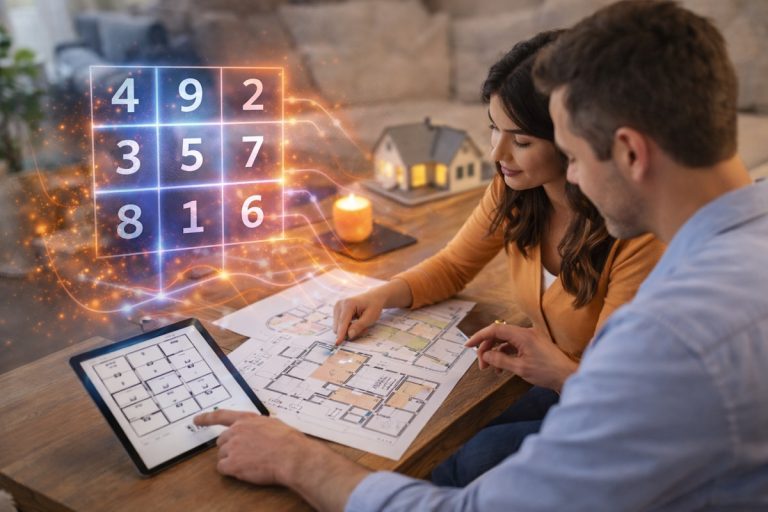
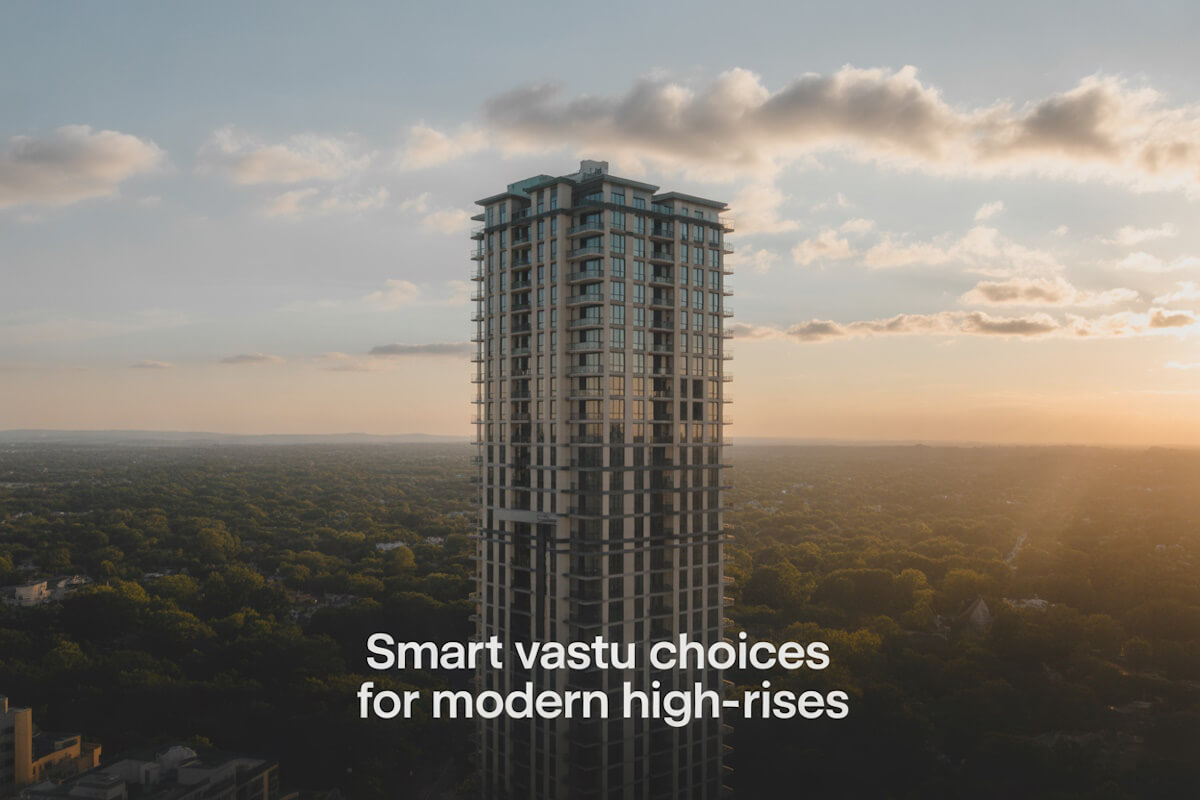
West facing apartments sit in a tricky spot. Many people hear mixed opinions and get confused the moment they see a sunset view from the balcony. Some swear by the advantages while others worry about energy, heat, or Vastu concerns. If you plan to buy, rent, or adjust the space you already live in, you need clear and practical guidance. Something that works for real high-rise layouts, not old textbook drawings.
This guide breaks down what really matters when choosing a floor, deciding whether a west facing unit is right for you, and figuring out corrections that don’t feel forced or awkward in a modern condo. High-rise living comes with stacked plans, shared walls, beams, elevator cores, odd columns, and fixed plumbing. You can’t shift rooms around. You rely on placement, balancing elements, and simple adjustments.
Let’s walk through it step by step.
Why West Facing Apartments Get So Much Attention
West facing homes usually get strong afternoon sunlight. In some climates this feels harsh. In others it improves natural warmth. But the Vastu angle is more about the location of key rooms and how the apartment distributes activity levels through the day.
In Vastu, the west represents stability, maturity, and grounded thinking. People often find that west facing homes suit buyers who prefer steady routines, focused work, or a calmer vibe in the evenings. Some families appreciate the late-day brightness after long work hours. The question is not whether west is good or bad. It is how the layout behaves.
High-rise apartments come in different stack plans. One floor might be perfect while the unit directly above or below feels off because of balcony depth, corridor position, or cutouts in the building. That is why floor selection matters more than people think.
Floor Selection for West Facing High-Rise Apartments
Choosing a floor affects more than the view. It influences heat levels, air circulation, noise, street energy, and how certain Vastu zones function. Here’s what to look for when narrowing down your floor.
1. Middle to Upper Middle Floors Work for Most Families
Lower floors in high-rise buildings tend to have more noise, traffic movement, and heavy energy. With a west facing entrance or balcony, this may amplify the intensity. Many Vastu consultants prefer floors above the 5th for west facing units as they usually feel calmer.
Being too high can also create a dull or disconnected feel. Middle levels strike a good balance because you get air circulation, sunlight control, and a steadier energy field.
2. Avoid Floors with Large Structural Cutouts on the West Side
Some high-rise buildings stack units around courtyards, voids, or service shafts. If your floor has a significant recess near the west wall, it may create a sense of missing space. This can weaken the stability zone that west represents.
If the building has this design, pick a floor where the cutout is minimal or positioned away from your unit.
3. Balcony Depth Makes a Big Difference
Shallow balconies on the west can push strong sunlight straight into the living room, which can feel draining by evening. Deep balconies act like filters. When choosing a floor, check if certain levels have extended balcony slabs. Many buildings have deeper balconies on club floors, odd numbered stacks, or terrace units.
These extended slabs naturally correct excess heat and overactive west energy.
4. Floors Close to Amenities Can Shift the Apartment’s Energy
Floors near:
- clubhouses
- gyms
- swimming pools
- common terraces
tend to have more movement and noise. A west facing apartment on these levels may feel too active in the evenings. If you prefer a calmer environment, choose a floor 2 or 3 levels above or below these amenity decks.
5. Higher Floors With Reflective Glass Buildings Nearby
If a neighboring tower has reflective windows facing your west side, higher floors might catch harsh glare. In that case, a lower or mid-level floor could feel better. You’ll notice the difference the moment you step into the living room during late afternoon.
Ideal Room Placement in a West Facing High-Rise Apartment
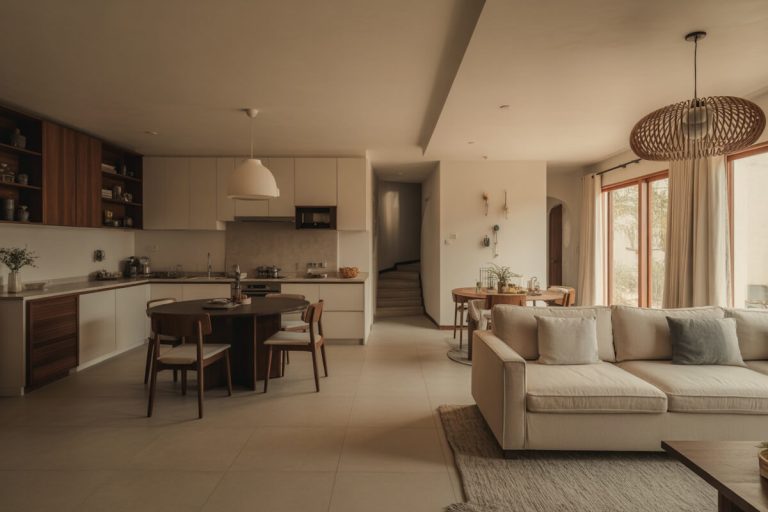
Even with a fixed layout, you can check whether the room positions support long-term comfort. You don’t need textbook perfection. You just want the flow of activity to match the natural movement of sunlight and energy.
1. Living Room Near the West or Northwest
Most modern west facing units place the living room toward the west side. This works fine because the evenings become lively, and guests usually visit around that time. The key is ventilation. Make sure the living room has a usable balcony, sliding windows, or cross-vent openings.
If you cook in the early evening, you’ll appreciate the natural light.
2. Master Bedroom on Southwest or South Works Well
A southwest master bedroom gives a grounded feel. Many people sleep better in this zone. If the floor plan puts your master bedroom in the west or northwest, it still works as long as the bed is placed with your head toward the south or east.
Avoid placing the bed under a beam. High-rise slabs sometimes have hidden beams above the false ceiling. A quick visual inspection usually reveals them.
3. Kitchen in Southeast or East Is Ideal
If the kitchen lands in the south or west part of the apartment, it’s still manageable. High-rise kitchen layouts are usually fixed and depend on plumbing. For west facing homes, the only thing you avoid is a completely west-facing platform. Some afternoon heat is fine but not when it forces the cook to stand facing the harsh light.
A simple heat control fix can balance this.
4. Kids’ or Guest Rooms Toward East or North
These rooms stay cheerful through the day without too much heat. If they are in the west, use curtains and lighter decor. Kids do better when the space feels calm instead of heavy.
5. Bathrooms on West or South Are Normal in High-Rise Plans
Many people worry about bathrooms, but in tall buildings they often stack in the south or west for plumbing reasons. This is acceptable. Just keep them well ventilated and dry.
Common Vastu Concerns in West Facing Apartments
People usually ask the same questions when dealing with west facing high-rise units. Here are the most frequent ones and what they actually mean in real life.
Concern 1: Will the home feel too hot?
Strong sunlight can heat the apartment, especially on higher floors. But this varies by city, building spacing, and balcony depth. You can manage this with blinds, solar films, or neutral-toned curtains. Many west facing units feel comfortable once this is done.
Concern 2: Is a west entrance unlucky?
Not really. West entrances suit people who work in structured professions or prefer a practical lifestyle. What matters more is the exact entrance point. West-northwest entrances feel active. West-southwest feels stable. Both can work depending on your routine.
Concern 3: Will finances be affected?
People often hear myths about west facing entrances causing slow financial growth. This usually comes from old house designs where the entrance dominated the west zone. In high-rise apartments, the layout is distributed and the energy impact is softer.
Your living habits matter more than the compass direction.
Practical Vastu Corrections for West Facing High-Rise Apartments
High-rise apartments don’t allow structural changes. So corrections must blend naturally with the space. They should not look forced or cluttered. The best corrections often involve lighting, element balancing, and subtle placement techniques.
1. Entrance Corrections
A west facing entrance can be strengthened with:
- a sturdy main door
- warm lighting near the entrance
- a clean shoe area placed toward the south or southwest of the foyer
- a small earthy accent, like a clay piece or matte wooden panel
Avoid placing mirrors directly opposite the door.
2. Balcony Treatments
The balcony in a west facing home receives strong light. Instead of blocking all sunlight, aim for controlled filtering.
Use:
- bamboo blinds
- adjustable wooden louvers
- neutral curtains
Plants work well but avoid overcrowding. Choose a mix of leafy greens that enjoy light but not intense heat.
3. Living Room Adjustments
Keep the heavier furniture toward the southwest side of the living room. Light seating or decor can go toward the northwest. If the west wall feels too bright, a matte texture or soft pattern helps tone it down.
Warm tones work better than overly bright colors here.
4. Kitchen Balancing
If the kitchen falls on the west side:
- keep the stove slightly toward the southeast corner of the platform, if the design allows
- use warm white lighting
- avoid dark color schemes
- place spices or groceries on the south or west shelves, not north
You want the kitchen to feel grounded, not heavy.
5. Bedroom Corrections
In west facing units, some bedrooms get sunlight late in the day. A simple blackout curtain solves sleep issues. Place the bed with a solid headboard and avoid facing large mirrors.
If the bedroom is in the northwest, keep the decor simple to avoid restlessness.
6. Bathroom Corrections
Bathrooms on the west need no major correction, but keep them dry and ventilated. Place lighter colors indoors. A mild fragrance works better than chemical diffusers.
7. Heat Balancing
If heat becomes a problem:
- install solar film on west windows
- use cross ventilation wherever possible
- choose neutral flooring
- keep electronics away from the west wall when possible
You don’t want the heat to gather in one corner.
Signs a West Facing Apartment Will Work for You
Sometimes people worry without checking how the apartment feels. Walk inside the unit at 4 pm. If the light feels comfortable, the wind moves well, and the layout doesn’t feel blocked, it already has good potential.
A west facing apartment suits you if:
- you enjoy bright evenings
- your work schedule keeps you out during the day
- you like a warm, balanced home vibe
- you prefer structured routines
- you don’t mind managing light with blinds
People often find west facing units good for long-term living because the evenings feel relaxing.
Mistakes to Avoid When Choosing a West Facing High-Rise Apartment
Some issues affect comfort more than Vastu itself. Avoiding these helps you pick a better home.
Mistake 1: Ignoring Corridor or Lift Position
If the lift opens too close to your main door, the movement can disturb privacy. Choose a unit slightly offset from heavy foot traffic.
Mistake 2: Overlooking Balcony Height and Sun Angle
Stand on the balcony during late afternoon. If the sun hits your eyes directly, check other floors. Sometimes one level lower or higher solves this instantly.
Mistake 3: Picking Units With Dark Interiors
West facing homes already have strong light variations. Dark interiors make the place feel heavy, especially in evenings. Go for lighter tones that reflect balanced light.
Mistake 4: Letting Heat Control Become an Afterthought
Set up proper curtains from day one. Most heat issues start when people delay simple fixes.
Mistake 5: Forgetting Ventilation
Some west facing units rely on a single window for cross ventilation. If the design feels stuffy, look at other floors or stacks with better airflow.
How to Compare Two West Facing Apartments
If you’re stuck between two similar units, try this quick method.
Walk into both units around evening. Notice:
- which one feels calmer
- which one has smoother airflow
- sunlight angle
- balcony comfort
- room positions
- entrance clarity
The one that gives you steady energy when you stand near the entrance usually works better.
Room measurements matter but so does how you feel instantly.
West Facing Apartments and Long-Term Energy Balance
Many families settle comfortably in west facing homes. The stability of the west zone helps people stick to routines, complete long-term goals, and maintain steady finances. The trick is to balance activity levels. The home should not feel heavy or sluggish. It should also not feel overly bright.
A balanced west facing apartment usually has:
- a calm master bedroom
- a bright but not harsh living room
- an entrance that feels grounded
- a controlled balcony light
- moderate airflow
These are simple things anyone can check.
Final Thoughts
A west facing high-rise apartment can work very well if you choose the right floor and balance the light and heat properly. Instead of worrying about direction myths, focus on how the layout behaves. Look at room positions, balcony depth, floor level, and ventilation. Add small corrections that feel natural.
If you approach it with practical thinking, a west facing home often turns into a stable and comfortable place to live. Whether you’re buying, renting, or planning updates, trust your understanding of light, airflow, and daily routines. Vastu supports comfort when applied with clarity rather than rigid rules.
If you want, I can also review your apartment plan and tell you exactly which parts work well and which areas need simple corrections.