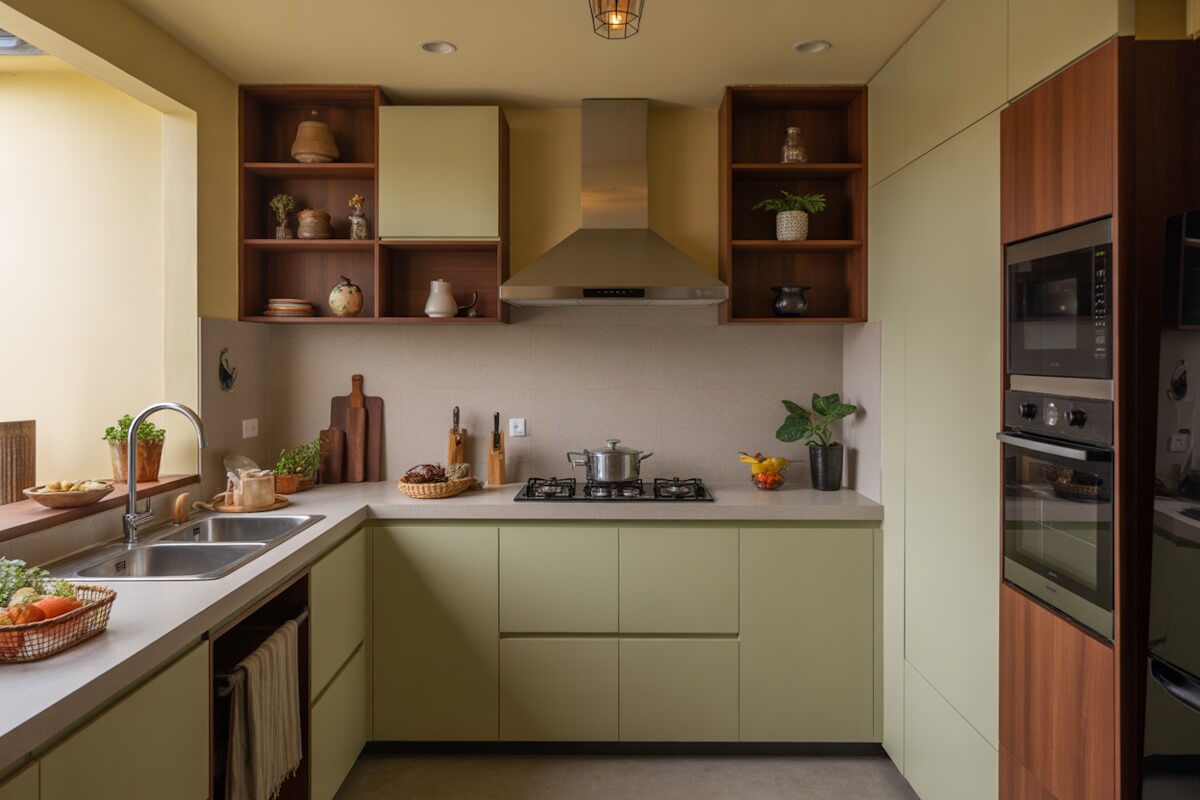
Running a restaurant is more than good food. The way your kitchen sits in the building and how you handle fire, water, heat, storage, staff movement, and money flow can shape daily outcomes. Many owners feel the pressure of long hours, unpredictable crowds, and nonstop cooking. When the back of the house doesn’t support smooth work, it shows up as delays, spills, careless mistakes, spoiled inventory, and low energy among the team. That is where practical Vastu steps in.
This guide focuses on Vastu for Restaurant Kitchen Design with the anchor keyword placed naturally. You’ll find clear advice that fits modern US and Canadian restaurants, mixed-use commercial units, mall food courts, and standalone buildings. The goal is to give you a layout that protects safety, improves flow, and supports stronger revenue. Nothing mystical. Just structure, direction, and user-friendly moves you can actually use.
Why a Restaurant Kitchen Needs Directional Planning
Restaurant kitchens face extreme pressure. The burners run for hours. People move in tight spaces. Heat competes with water everywhere. Fridges open constantly. If the layout works against natural directional energy, you end up fighting tiny problems all day.
You’ve probably seen issues like:
- Water leaks near electrical equipment
- Poor placement of dishwashing that slows circulation
- Exhaust blowing heat into seating areas
- Staff entering from the wrong direction, bumping into prep tables
- Too many fire points in one corner
A thoughtful Vastu plan reduces these friction points. When fire appliances and water lines sit in their natural sectors, the kitchen feels lighter and easier to manage. Staff settle into a better rhythm. And the place you make food every day becomes an asset instead of a liability.
Ideal Kitchen Zone For Restaurants
Most Vastu experts highlight the southeast for all fire activity. For restaurants, this still holds up even with modern commercial designs. The southeast supports heat, strong flame behavior, consistent output, and healthier growth.
If southeast placement is possible, take it. If not, the east and north are usually more forgiving, as long as you avoid stacking fire appliances in the northeast.
Preferred placement order
- Best: Southeast
- Next best: East side
- Acceptable: South side if you keep fire under control
- Avoid: Northeast and center
If your restaurant already exists, you don’t need to rebuild walls. Adjusting placement inside the kitchen can still improve flow.
Fire Direction: Stoves, Fryers, Tandoor, Grill Line
Fire is the core of your kitchen. Without controlling it, energy scatters. Flames behave strangely. Food turns inconsistent. Staff fatigue builds.
In Vastu for Restaurant Kitchen Design, the cooking line should sit so that the chef faces east whenever possible. East-facing cooking supports steadier work and keeps the heat pushing outward instead of folding back into the kitchen.
Practical placement steps
- Put stoves, ovens, fryers, tandoor, and grilling units in the southeast part of the kitchen.
- Keep the cooking line against a solid wall instead of a half partition.
- Try not to place heavy fire equipment under a staircase or directly below restroom drains from upper floors.
- Keep at least some spacing between high-heat appliances and sinks.
If your cooking line is stuck on the wrong side, you can rotate the cooking orientation even if the appliance positions stay the same.
Water Direction: Sinks, Dishwashing, RO Systems, Drain Lines
Water calms fire, and that’s where conflicts can happen. Pools of water in the wrong zone lead to low sales days, loose management, and a sense of drag in the business.
For restaurants, the northeast or north sides work best for water tasks. Dishwashing areas fit nicely here because they naturally clean away the leftover energy of used plates.
Follow these guidelines
- Put the main washing station in the north or northeast zone.
- Add RO, drinking water units, and water tanks toward the north.
- Keep grease traps well maintained and located away from fire.
- Make sure drainage flows smoothly in the north or northeast.
If your dishwashing is stuck in the southeast, separate the zone physically with a partition or height separation so water doesn’t interfere with fire tasks.
Balancing Fire and Water in One Compact Kitchen
Many small restaurants run in 300 to 600 square feet. Fire sits three feet from water. People bump into each other nonstop. You may not have the luxury to place everything perfectly.
When you can’t move appliances, create energy buffers.
A few ideas:
- Keep a storage rack or prep counter between the sink and the burner line.
- Raise the dishwashing area slightly so the slope drains away from fire.
- Avoid placing a water pump directly next to tandoor or grill.
- Maintain an uncluttered north side to support cash flow even if water sits there.
These simple fixes help restore the natural divide between fire and water.
Placement of Refrigerators, Freezers, and Cold Storage
Cold storage interacts with both fire and water. Its ideal zone stays closer to the west or southwest so it stabilizes supply and reduces food waste.
Where to keep cooling equipment
- Walk-in coolers near the west or southwest end of the kitchen
- Upright refrigerators on the west wall
- Beverage coolers on the north wall if needed for quick access
Avoid placing large refrigerators in the southeast because they weaken the fire flow and make equipment work harder.
Placement of Dry Storage, Packaging, and Inventory
Inventory tells the story of your restaurant’s health. If your storage sits in the wrong area, you may notice more expired goods, inconsistent ordering, or confusion among the staff.
Good storage zones include the west and southwest. These areas support slow and steady consumption.
Storage guidelines
- Keep dry goods, spices, disposable packaging, and bulk supplies in the southwest or west zone.
- Avoid storing raw materials in the northeast.
- Keep shelves slightly away from direct kitchen heat so items last longer.
A stable storage zone creates predictable supply flow.
Staff Flow and Entry Points
Your staff enters and exits the kitchen dozens of times an hour. The direction they walk through matters more than people think. Movement shapes energy flow.
Best staff entry direction
Northwest works well because it supports activity. Staff moving in from the northwest feel more alert. The door connecting the dining area to the kitchen can sit here without disrupting fire or water.
If staff must enter from the south, keep the passage clean and wide. Avoid clutter or storage near the door.
Placement of Cash Counters in Restaurant Settings
Even though kitchens don’t hold money, they influence it. If your billing counter or POS system sits too close to a water zone, cash flow can feel unstable.
For restaurants, the best place for the billing area is the northeast or north. Keep the counter facing east if possible. The kitchen energy should not overpower the cash area.
If your POS sits near the kitchen door, create a divider so the heat does not spill toward the register.
Exhaust Systems, Chimneys, and Ventilation
Heat and smoke must leave the building cleanly. A poorly placed exhaust disrupts the air pattern, making the dining area heavy and the kitchen uncomfortable.
Follow this structure:
- Install the main exhaust toward the southeast because it naturally releases fire energy outward.
- Keep fresh air ventilation toward the north or east.
- Avoid directing exhaust toward the main entrance of the restaurant.
Balanced airflow supports steady business.
Placement of Electrical Panels and Controls
Every restaurant kitchen relies on strong electrical infrastructure. Give panels a stable zone so they stay safe from moisture.
The south or southwest is better for electrical panels. Avoid the northeast because that area supports water and clarity.
If your panel is stuck near the sink, add waterproof casing and keep the area dry at all times.
Flooring, Slopes, and Drainage Planning
Even a slight slope in the wrong direction disrupts your kitchen’s natural pattern. Water should ideally drain toward the north or northeast.
Make sure:
- The floor slopes gently toward the north side
- There is no standing water near the cooking line
- Drains remain clean so they don’t produce stagnant areas
Good drainage keeps both fire and water functioning in their roles.
Wall Colors and Material Choices
Restaurants don’t need extreme color rules. You only need tones that support the sector they’re applied to.
For example:
- Southeast kitchens look fine with soft reds, tans, or earthy shades.
- North washing areas do well with light blues or whites.
- Southwest storage areas go well with beige or cream.
Avoid dark colors in the northeast because they feel heavy and block clarity.
Gas Pipes and Plumbing Lines
Pipes control how energy travels. When laid out correctly, they reduce leak chances and keep repair costs down.
Guidelines:
- Gas lines should run from south or southeast
- Water lines should enter from north or northeast
- Never crisscross gas and water at the same height
- Keep joints accessible for maintenance
If your restaurant sits in a mall with fixed pipelines, use the correct zone placement inside your kitchen to balance the mismatch.
Seating Area Impact on Kitchen Vastu
Your dining area energy should complement the kitchen, not fight it. If the kitchen dominates the center of your floor plan, the space might feel heavy.
Try to place the kitchen slightly toward the south, southeast, or southwest of the dining zone. This arrangement keeps the calmer north and east for your guests.
Handling Irregular Commercial Spaces
Many restaurants operate inside converted units, old houses, or narrow retail strips. If your space is irregular, focus on keeping fire and water in harmony rather than following textbook layouts.
If the southeast corner is missing, place your fire line on the east side.
If the northeast is blocked, keep dishwashing in the north.
If the kitchen sits too close to the entrance, use partitions to soften the impact.
Vastu lets you work with real limitations. You don’t need perfection. You need balance.
Small Restaurant Kitchen Solutions
Compact eateries use every inch of space. Here are fixes used by many small operators:
- Put the tallest storage on the southwest wall to anchor the kitchen.
- Keep the pass-through window on the east if possible.
- Avoid placing mop buckets in the northeast.
- Use the northwest for quick movement tasks like pickups or fast food preparation.
Small changes improve daily workflow.
Managing Heat in High-Volume Kitchens
High-volume restaurants produce more heat than typical home kitchens. Vastu recommends keeping the southeast clear so heat escapes and doesn’t gather.
You can try:
- Strong exhaust fans in the southeast
- Heat-resistant backsplashes
- Avoiding open flames near the north wall
- Ensuring proper spacing between fryers and tandoor
Heat control affects staff comfort and food consistency.
Profitability Flow and Vastu Influence
Your kitchen is the power center of the restaurant. Profitability comes from stability in fire zones, clarity in water zones, and proper staff motion. When fire dominates the wrong zone, expenses rise. When water overwhelms fire, sales dip. The right balance helps your restaurant operate with fewer surprises.
You’ll notice smoother days, steady sales, fewer maintenance calls, easier ordering cycles, and better team focus. The kitchen becomes easier to manage, even during rush hours.
Quick Practical Fixes You Can Apply Today
You don’t need to rebuild your entire kitchen. Try a few simple moves:
- Move clutter away from the northeast.
- Keep the southeast brighter than the rest of the kitchen.
- Keep water buckets strictly in the north area.
- Add fresh air movement from the east side.
- Improve drainage toward the north.
These adjustments fit almost every restaurant without major remodeling.
Final Thoughts
A restaurant kitchen is a living space. It grows, expands, contracts, and reacts to constant activity. The energy inside it influences staff performance, customer turnout, and the money that stays in your pocket. When fire and water stay in their natural places, the kitchen supports your business rather than draining it.By following the principles of Vastu for Restaurant Kitchen Design, you’ll create a space that feels easier to run, safer for everyone, and more profitable over time. If you want, I can review your current layout and suggest zone based fixes tailored to your floor plan.