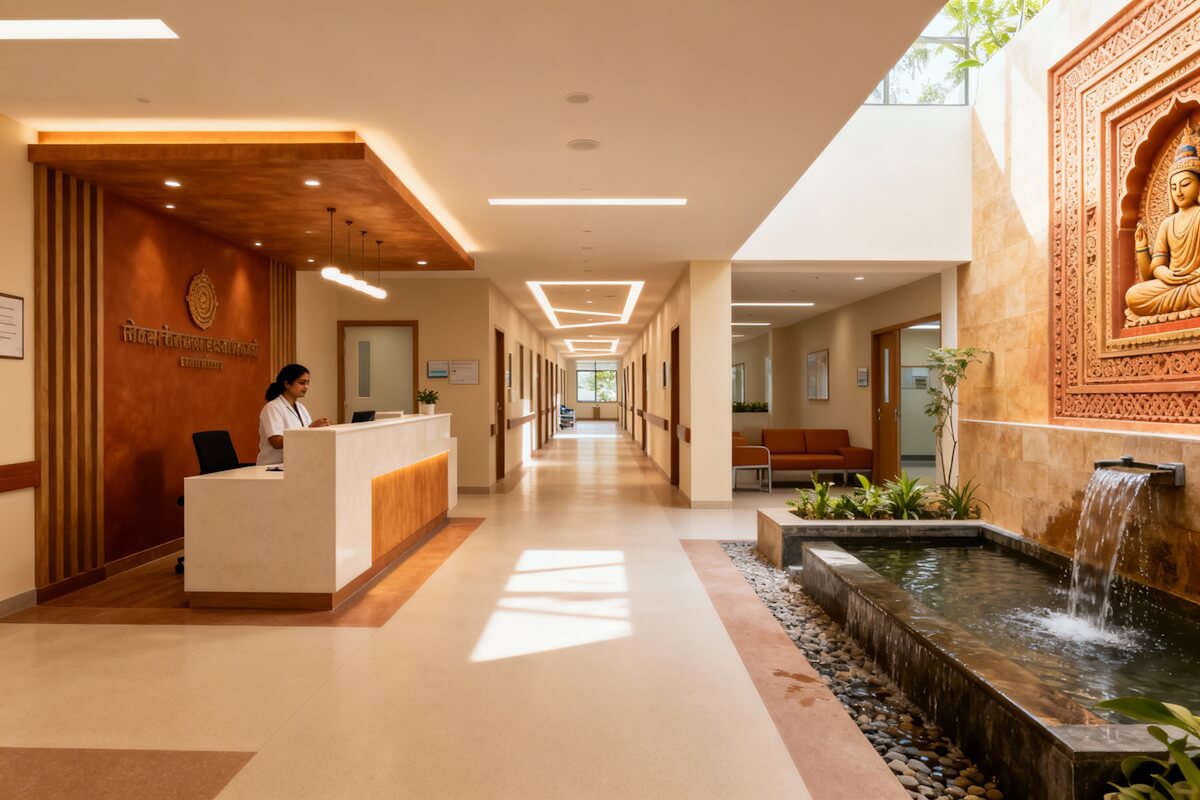
Running a medical facility takes long hours, steady focus, and a space that supports healing. When you walk into a hospital or clinic, the layout shapes how patients feel and how staff move through their day. That is where Vastu for Medical Facilities: Hospitals, Clinics & Diagnostic Centers comes in. It works best when used as a practical tool, not a symbolic idea. The goal is to create smoother workflow, better comfort for patients, and a space that supports recovery.
Below is a detailed guide you can use whether you are setting up a new facility or trying to improve an existing one.
Why Vastu matters in healthcare spaces
You may notice how some clinics feel tense while others feel calming. Small differences in direction, placement, or room function can make a bigger impact than people expect. Staff performance, patient flow, and noise management all connect to the way the space is arranged.
Modern medical facilities in the US, Canada, and other regions often sit in multi level buildings. Some are in plazas, some in high rises, some in converted homes. Vastu can be applied to each setting by focusing on practical rooms like reception, waiting areas, labs, OT zones, and doctor cabins.
This guide stays focused on things you can actually adjust or set up.
Ideal direction for the main hospital or clinic building
If you are selecting a plot or a unit, try keeping the main entrance in the north, east, or northeast. These directions support steady foot traffic and a positive feel for incoming patients. Many medical practices in plazas do not have direction choice, though you can improve things by adjusting reception layout and internal flow.
South or southwest entrances do not always create the best movement. If you already have one, you can balance it with bright lighting at the main door, clear signage, and a clean path that reduces confusion.
Reception and front desk placement
The reception is the first point of contact. It sets the tone for the entire visit.
Place the reception desk on the east or north side of the entrance. Staff facing either of these directions stay more alert and patient conversations run smoother. Avoid placing the desk directly on the south side because staff may feel tired or less focused over long shifts.
In many small clinics, the reception and waiting area share the same zone. Make sure patients do not face a dark corner or blocked corridor. A clear path helps reduce tension for people already stressed about health concerns.
Waiting area setup
The waiting area should sit in the north, northeast, or east part of the clinic or hospital floor. These zones feel lighter and more open, which is helpful when dealing with crowded hours.
Keep patient seating in the south, west, or southwest facing north or east when possible. People usually settle better when facing those directions. Chairs facing west or south may create a sense of heaviness. If space does not allow perfect orientation, aim for uniform seating without odd angles.
Avoid placing heavy storage cabinets in the northeast corner of the waiting room. That section should stay clear.
Doctor cabins and consultation rooms
Doctors speak with patients about serious matters, so the room layout affects trust and clarity.
Place consultation rooms in the southwest, south, or west sections of the unit. These areas support stable decision making. The doctor should sit facing east or north when talking to patients. Patients can sit opposite in a way that still feels open, not confrontational.
Avoid placing doctor cabins in the northeast. That corner should stay light and free from pressure oriented tasks.
If your building is in a high rise and the layout is fixed, use stable wooden furniture, neutral wall colors, and keep the consultation table away from the direct line of the door.
Operation theater layout
The operation theater needs precision, low clutter, and calm movement.
Place the OT in the west or south area of the facility. These zones support high focus tasks. The patient table can be placed so the head points toward the east. Equipment storage should stay organized on the south or west wall, never blocking entry.
Lighting plays a big role. Keep bright, shadow free lights overhead. OT rooms in older buildings often have ceiling beams. Try to keep the operating table away from heavy beams. If this cannot be adjusted, fit false ceiling panels that visually soften the line.
Airflow must stay clean. Avoid opening windows in the southwest because it can bring unpredictable air movement. Use proper ventilation or mechanical systems.
ICU and critical care units
ICU sections need steady monitoring. Sudden noise or crowding can disrupt the rhythm of care.
Place ICUs in the southwest or south of the hospital floor. These zones help staff maintain stronger control of sensitive cases. Patient beds should ideally align with heads toward the east or south.
Keep machines and monitors on the west or south wall. Avoid clutter around the northeast part of the room. A clear northeast helps maintain a balanced atmosphere in an intense environment.
If your ICU sits on the east side due to building restrictions, keep the north and east windows clean and free from heavy curtains. Use soft wall colors that do not create overstimulation.
Patient wards and recovery rooms
Long term recovery requires a peaceful zone. Try placing general wards in the northwest or northeast. Single rooms for recovery work well in the east or north because they feel more open.
Patient beds facing east or north support comfort. West facing beds can feel dull or heavy. If the building design forces west facing beds, add extra natural or white lighting to brighten the room.
Avoid placing heavy storage units behind the patient’s headboard. Keep that area clear.
Recovery floors in multistory hospitals often place nursing stations in the center. As long as the northeast section stays lightweight, this setup works fine.
Diagnostic centers and testing rooms
Labs, imaging rooms, blood draw stations, and other diagnostic spaces need steadiness.
Place the main lab in the south or west sections. These areas help technicians stay grounded during repetitive tasks. Equipment like CT, MRI, and X ray should sit on the southwest or west side of the room.
The anchor keyword Vastu for Medical Facilities: Hospitals, Clinics & Diagnostic Centers fits well when talking about diagnostic spaces because these rooms handle constant activity. Keeping the northeast corner of any lab or imaging room free from heavy machines is helpful.
Blood collection rooms work best in the north or east part of the facility. Technicians should sit facing east or north. Patients usually feel calmer in these directions.
Pharmacy within the hospital or clinic
A pharmacy sees high traffic. People need quick service and clear instructions.
Place the pharmacy in the northeast, east, or north of the building. The main counter should face west or south so customers stand facing east or north. Shelves with medicines should sit on the south or west walls, not on the northeast corner.
If the pharmacy sits in a tight retail style exit area, keep the path open and bright. Avoid storing boxes near the entrance.
Waste disposal and utility areas
Medical waste has strict handling rules. Vastu supports this by placing disposal zones in the southwest or west. These areas keep the main functional parts of the hospital clean and uncluttered.
Utility rooms and janitor closets should also sit in the same regions. Laundry services can go in the south or southeast because this area manages fire and heat elements well.
Never use the northeast corner for waste or storage.
Electrical rooms, equipment storage, and fire safety areas
Electrical control rooms, generator rooms, and large equipment storage work best in the southeast. This section fits the fire element and suits power systems.
If your building has fixed mechanical rooms in the northwest or southwest, balance the space by keeping the northeast open and clean.
Fire extinguishers, alarms, and emergency gear can stay in the southeast or south. Make sure they are easy to reach.
Staircases, elevators, and corridors
Staircases should ideally sit in the south, west, or southwest. Never place a staircase in the northeast. Many high rises already have fixed staircases, so make sure the northeast region inside your unit stays uncluttered to offset this.
Elevators often sit in the center or corners of the building. They work fine as long as the northeast inside your clinic or hospital stays clean and free from storage.
Corridors should be wide enough to move stretchers without obstruction. Keep the northeast part of the hallway open and avoid dim lighting.
Water elements and washrooms
Place water tanks in the north or east. Avoid heavy overhead tanks in the northeast. If your building design forces it, keep the area below the tank free from storage.
Washrooms for patients or staff should sit in the west or northwest. Avoid placing them in the northeast or center of the facility.
Handwash stations near doctor cabins or labs can sit on the north or east walls.
Color choices for different medical spaces
Colors influence mood. Medical environments already feel stressful, so choose shades that keep rooms simple and soft.
Use light blues, gentle greens, whites, or muted greys in patient areas. For labs and OTs, stick to clean white or very light tones. Avoid deep reds or overly dark walls near consultation rooms.
Try not to overload the space with bold art or loud patterns. Keep things calm and steady.
Vastu in multi level hospitals
Many large hospitals run on multiple floors. Each floor can follow core Vastu principles:
- Emergency and casualty departments near the northeast or east for fast access
- OT and ICU sections on west or south floors
- Admin offices on the southwest or west sections
- Cafeteria or food services in the southeast or northwest
If the building design forces a different layout, adjust through lighting, furniture placement, and direction of staff seating.
Practical adjustments for spaces you cannot change
Most medical spaces are rented units with fixed plumbing, walls, and structural elements. Even then, small corrections help.
Try these adjustments:
- Shift desks so staff face east or north
- Use brighter lighting in heavy west facing rooms
- Keep the northeast free from storage
- Place plants in the north or east of waiting rooms
- Use clear signage so patients do not feel lost
- Avoid blocking windows with equipment
Little tweaks can create a calmer flow.
Final thoughts
Vastu for Medical Facilities: Hospitals, Clinics & Diagnostic Centers works best when applied with common sense. There is no need to force complex rules. Focus on smooth movement, calm spaces, and clear directions for patients and staff.
If you are planning a new medical setup or upgrading an old one, ask yourself where people spend the most time and how the layout affects their day. When you tune the space correctly, you create a more supportive environment for healing and professional work.
If you want, you can share your floor plan and I can help you apply these ideas to your exact layout.