
Money stress has a way of sneaking into daily life. One month things feel manageable. Next month you are juggling payments, delaying plans, or wondering why income never seems to stay. You work hard, yet savings refuse to grow. If this sounds familiar, your space might be part of the issue.
Not in a mystical way. In a practical one.
Homes and workplaces influence how smoothly effort turns into results. Vastu looks at this connection through structure, layout, and usage. The 16 Zone Vastu Analysis goes deeper than basic direction advice. It breaks your space into functional zones and checks how each one supports or blocks financial stability.
This article walks you through how that works in real homes, apartments, offices, and commercial properties. No hype. Just usable guidance.
Why Financial Problems Often Show Up at Home First
Before talking zones, let’s talk patterns.
Many people facing money instability share similar living setups. Cluttered corners that never get attention. A kitchen that feels chaotic. A master bedroom placed where sleep never feels deep. A home office squeezed into a leftover space.
You might dismiss these as minor issues. Yet money flow and daily habits are linked. When a space drains focus, energy, or routine discipline, financial decisions suffer. Bills get missed. Planning feels heavy. Motivation dips.
Vastu does not promise sudden wealth. It focuses on removing friction. When friction reduces, effort gives better output.
That is where the 16 Zone approach becomes useful.
What Is 16 Zone Vastu Analysis in Simple Terms
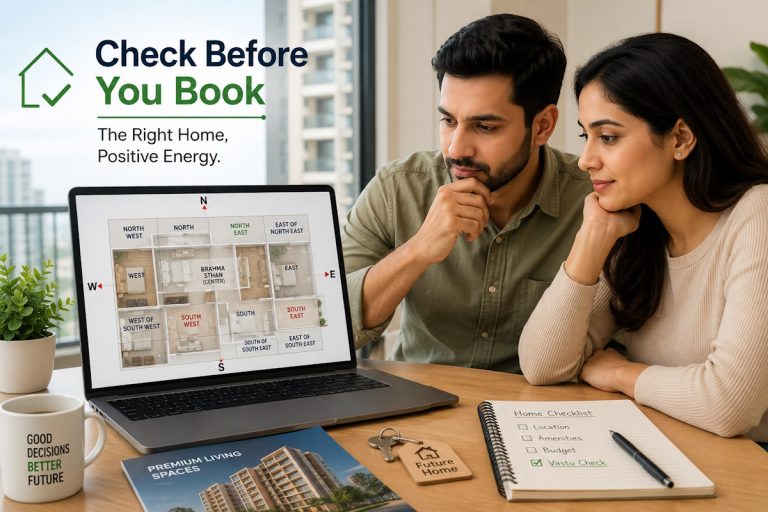
Traditional Vastu often talks about eight directions. North, South, East, West, and the four corners. That helps, but modern homes are more complex. Apartments, high rises, and mixed-use buildings do not fit neatly into old layouts.
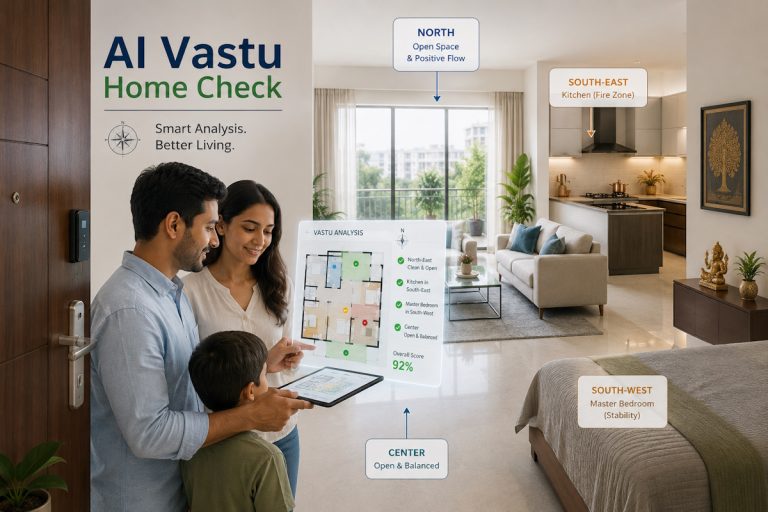
The 16 Zone method divides a space into sixteen precise zones. Each zone has a specific role in life areas like income, savings, growth, stability, support systems, and decision making.
Instead of general advice like “keep the north clean,” you look at what exactly is placed in the income zone, the expense zone, the debt zone, and the support zone.
Small shifts here often create noticeable changes.
How Financial Energy Actually Moves Through a Space
Money does not sit in one corner. It moves through habits, opportunities, and decisions.
In Vastu terms, financial flow depends on three things.
First, entry points. Doors and windows decide what kind of opportunities enter your life.
Second, storage and circulation. How money is handled, saved, or leaked reflects in storage areas, clutter, and broken zones.
Third, command positions. Where you sleep, work, and plan decides how confident and consistent your actions are.
The 16 Zone model tracks all three.
The Wealth Activation Zone and Why It Often Gets Ignored
North of North-East Zone
This zone plays a key role in income opportunities and new financial channels. In many apartments, this area ends up being a toilet, store room, or overloaded balcony.
When this zone is blocked, people often report these patterns.
Money comes but does not stay
Side incomes fail to sustain
Opportunities appear and disappear quickly
You do not need to demolish walls. Start with basics.
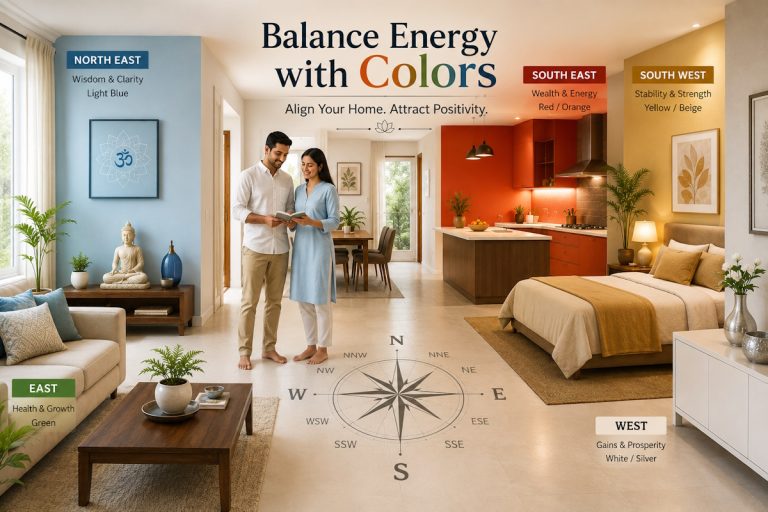
Keep this zone light and open. Avoid heavy furniture here. Remove stored junk. If this zone is a toilet, keep it dry, well-lit, and spotless. Use light colors. Keep the door shut when not in use.
Small actions matter here.
The Expense Zone That Drains Savings Quietly
South of South-East Zone
This zone governs spending habits and financial leakage. When imbalanced, people often say they earn well but never know where the money goes.
Common issues in this zone include.
Fire elements placed incorrectly
Leaking taps or faulty electricals
Aggressive colors or clutter
If your kitchen falls here, check how it is used. Is it always messy? Are appliances broken? Is there constant stress while cooking?
Fixing leaks, organizing storage, and calming this zone reduces unnecessary expenses over time. It sounds basic because it is. Yet many ignore it.
The Stability Zone That Supports Long-Term Wealth
South of South-West Zone
This zone relates to stability, retention, and long-term financial grounding. Think savings, assets, and security.
Homes where this zone is weak often face repeated setbacks. Legal issues. Unplanned expenses. Property disputes. Delayed returns on investments.
What weakens this zone.
Open spaces where heaviness is needed
Temporary furniture
Constant movement or disturbance
This zone prefers weight. Solid furniture. Calm colors. No shortcuts.
If your master bedroom is here, you are on the right track. If it is a balcony or open area, add grounding elements like closed storage or heavier furniture.
The Growth Zone That Impacts Income Rise
East of North-East Zone
This zone affects learning, expansion, and career progression. Many people stuck in the same income bracket for years have issues here.
Blocked windows
Dark corners
Unused spaces
If this zone feels dead, growth slows.
Activate it with light, cleanliness, and purpose. Use it for study, planning, or creative work. Even placing a small work desk here can shift momentum.
The Decision Zone That Controls Financial Judgment
North of North-West Zone
This area affects clarity, negotiations, and timing. When disturbed, people make impulsive financial decisions.
Wrong investments
Poor partnerships
Signing deals under pressure
Avoid placing heavy storage or clutter here. This zone benefits from movement and openness. If this is where your main door is, keep it welcoming and obstruction-free.
Good decisions save more money than high income ever will.
Why High-Rise Apartments Need Extra Care
Apartments face unique challenges.
Shared walls
Fixed plumbing
Limited layout changes
The 16 Zone approach helps you work within these limits.
You focus on what you can control. Furniture placement. Usage patterns. Lighting. Maintenance.
For example, if your expense zone has a common shaft or duct, you compensate by strengthening nearby supportive zones. Balance matters more than perfection.
Why This Pattern Shows Up Globally
Financial layout issues are not limited to one country or culture. The same zone-related problems appear across modern housing worldwide.
In United Kingdom, many homes and apartments sit within older building shells. Plumbing lines and structural walls are fixed, which makes non-demolition zone correction essential. Financial stress there often links back to blocked growth or stability zones that cannot be altered structurally but can be corrected through usage and placement.
In Singapore, high-rise living is the norm. Compact apartments frequently place toilets, shafts, or balconies in critical financial zones. Residents often earn well yet struggle with retention. The 16 Zone approach works here because it focuses on control points like furniture, lighting, and daily activity zones rather than layout changes.
In Australia, open-plan homes and work-from-home setups are common. Financial imbalance often comes from poor command positioning and weak decision zones rather than lack of opportunity. Zone-based correction helps bring structure back into otherwise free-flowing spaces.
Across these regions, the pattern stays consistent. When zones linked to income, expense, and stability are misused or ignored, money stress follows. When those same zones are corrected, effort starts producing steadier results.
Offices and Shops Facing Cash Flow Issues
Financial instability is not limited to homes. Businesses struggle too.
In offices, the zone of command and the cash flow zone matter most.
If the owner sits in a weak zone, decisions suffer. If the accounts section sits in an unstable zone, cash flow becomes erratic.
Retail shops often place heavy storage in the wrong zones, blocking customer movement and sales energy.
A zone-based review often explains why footfall is high but conversion is low.
How 16 Zone Analysis Differs From Quick Fix Advice
You might have heard tips like place a locker facing north or keep a water feature here or there.
These tips work only when zones support them.
A locker in the right direction placed in the wrong zone still struggles. A water feature in an expense zone can increase outflow instead of income.
The 16 Zone method avoids guesswork. You analyze first, then act.
Real Signs Your Financial Zones Need Attention
You do not need belief to notice signs.
Income fluctuates without reason
Savings get wiped repeatedly
Money comes with stress attached
Opportunities feel delayed
If these patterns persist despite effort, check your space.
Your home reflects your financial habits more honestly than your bank statements.
Simple Steps to Start Without Overwhelm
You do not need a full renovation.
Start with these.
Map your floor plan into 16 zones
Identify which zones relate to income, expense, and stability
Observe what exists there without judgment
Remove clutter first
Fix leaks, broken items, and unused storage
Give changes time. Vastu works gradually because habits change gradually.
Renting a Home? This Still Applies
Many renters think Vastu is useless for them. That is not true.
You control furniture, usage, and maintenance.
Choose sleeping and working zones carefully. Avoid using weak zones for critical activities like planning or financial work.
Even temporary adjustments help.
Financial Stress Is Often a Signal, Not a Punishment
Money problems feel personal. They feel like failure. Often they are signals.
Signals that effort is not being supported. Signals that systems around you need correction.
16 Zone Vastu Analysis treats financial instability as a solvable pattern, not a flaw.
You fix the pattern. Life responds.
Final Thought for You
If you are tired of pushing harder with little result, pause and look around your space.
Where do you sit when you plan money matters?
Where do you sleep when stress peaks?
Which corners stay ignored year after year?
Answers lie there.
Your home is either helping your finances breathe or slowly choking them. Once you see which zones are doing what, the path forward becomes clear.
Take action. One zone at a time.