If you live in an apartment, plan houses, sell property, or invest in real estate, you already know one thing. Direction matters. Not in an abstract way. In a very physical, everyday way. Where the kitchen sits. Where you sleep. Where money flows in and where it leaks out.
This is where the 16 zones in Vastu quietly shape results.
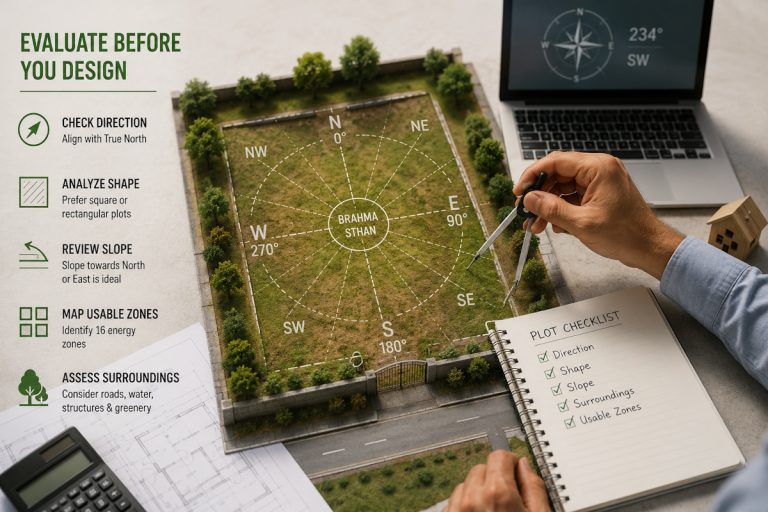
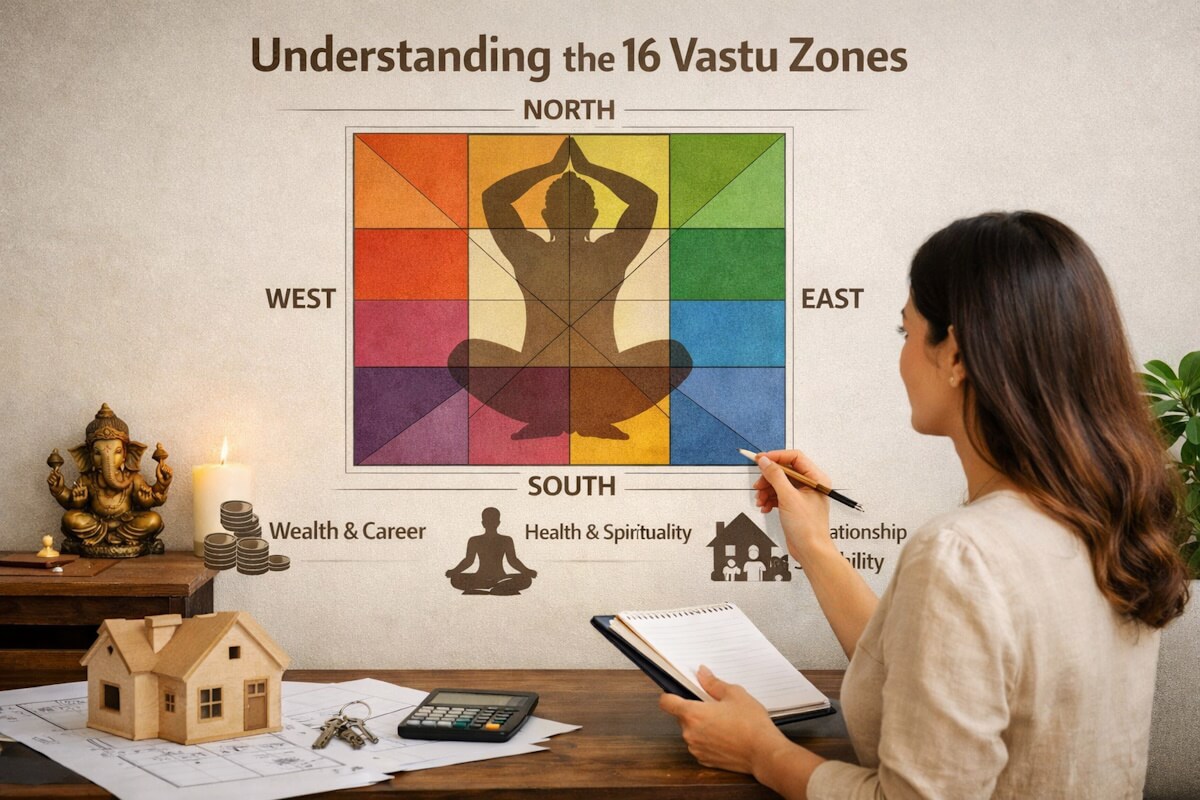
Most people hear about eight directions and stop there. North, South, East, West, plus the corners. That view is incomplete. Real homes do not operate in eight slices. They operate in sixteen. These zones come from the Vastu Purusha Mandala, the energetic grid that maps how space responds to human activity.
Once you understand these 16 zones, decisions become clearer. You stop guessing. You stop relying on generic advice that does not fit modern layouts. You start seeing why certain rooms never feel right no matter how well designed they look.
This guide breaks down each of the 16 zones in Vastu with their names, ruling energies or deities, and how they affect real-life spaces like flats, villas, offices, and shops.
No fluff. No mysticism overload. Just usable clarity.
Why the 16 Zones Matter More Than the 8 Directions
A simple question. Have you ever noticed two bedrooms facing East behaving very differently?
One feels calm. The other causes restless sleep or frequent arguments. Same direction. Different outcomes.
That happens because East is not one zone. It has two.
Each cardinal direction splits into two parts, creating sixteen zones. Each zone has its own behavioral pattern. Vastu looks at how these micro-directions interact with daily human actions like sleeping, cooking, earning, resting, and thinking.
Ignoring these divisions is like reading only half a medical report and making decisions anyway.
Apartments today are compact. Rooms overlap zones. Kitchens slide into corners. Toilets land where builders find space. The 16-zone system helps you work with what you have instead of chasing impossible layouts.
The Core Structure of the 16 Zones
The layout starts from North and moves clockwise. Each main direction splits into two sub-zones. Corners get special weight.
Here is the flow you will see in every Vastu chart.
- North
- North-North-East
- North-East
- East-North-East
- East
- East-South-East
- South-East
- South-South-East
- South
- South-South-West
- South-West
- West-South-West
- West
- West-North-West
- North-West
- North-North-West
Each of these has a name, a ruling force, and a natural role.
Now let’s go zone by zone.
North – Kubera Zone
North is linked to wealth, income, and opportunities. This zone responds to movement and lightness.
In homes, this area supports cash flow, work-related growth, and networking. In offices, it favors accounting, billing, and sales operations.
When blocked with heavy storage or toilets, people often feel stuck financially. Money comes in but does not stay. Or income feels delayed without clear reason.
This zone likes open space, light colors, and minimal weight.
North-North-East – Mukhya Zone
This is a sensitive transition area between money and clarity.
It governs decision-making related to finances and long-term planning. Many people overlook it because it looks small on plans. Its impact is not small.
Ideal uses include study corners, pooja shelves, or calm seating. When kitchens or heavy machinery sit here, people often overthink money matters or feel mentally drained by financial pressure.
North-East – Ishanya Zone
This is the most talked-about zone for a reason.
North-East governs clarity, health recovery, spiritual grounding, and overall direction in life. It influences how you perceive situations and respond emotionally.
In real homes, this zone works best when open, clean, and quiet. Living rooms, balconies, pooja areas, or meditation corners suit it well.
Bedrooms, toilets, or staircases here often lead to confusion, health sensitivity, or lack of motivation. People living with disturbed North-East zones frequently say they feel stuck without knowing why.
East-North-East – Jayant Zone
This zone supports learning, growth, and recognition.
For students, this area boosts focus. For working professionals, it helps visibility and appreciation. For children, it supports curiosity.
Study tables, reading chairs, or open windows work well here. Heavy wardrobes or electrical overloads reduce its potential.
If your child struggles with attention, check this zone before blaming gadgets.
East – Indra Zone
East governs social presence, confidence, and public image.
This zone impacts how others see you. In homes, it affects how welcoming the space feels. In offices, it influences reputation and leadership presence.
Living rooms, entrances, or meeting areas suit this zone. Dark colors, clutter, or blocked windows here often result in social hesitation or lack of recognition despite hard work.
East-South-East – Agneya Assist Zone
This is a supporting fire zone.
It handles energy distribution related to action and execution. It is not ideal for heavy fire elements but supports activity-based functions.
Good uses include dining spaces, work desks, or light kitchens in compact flats. Avoid water-heavy features here.
When disturbed, people feel rushed or mentally overloaded.
South-East – Agni Zone
The fire zone.
This governs digestion, metabolism, passion, and financial discipline. Kitchens belong here. So do electrical panels and equipment-heavy setups.
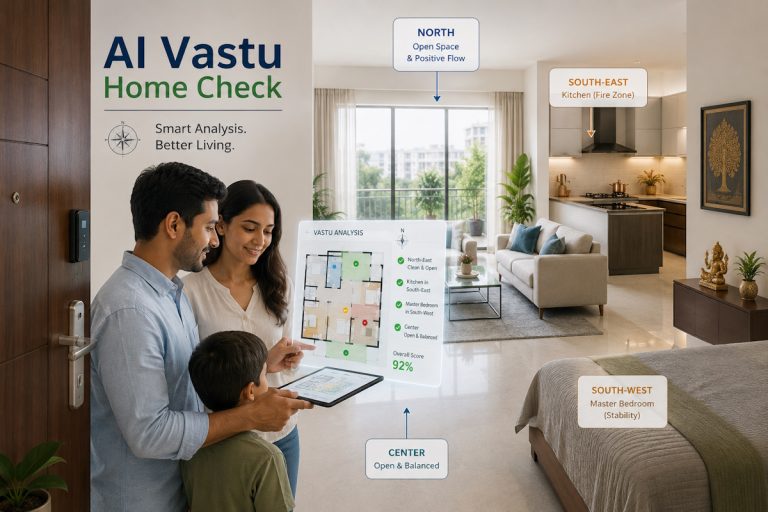
In apartments, placing the kitchen in South-East stabilizes health and spending habits. When bedrooms occupy this zone, people report disturbed sleep, irritability, or impulsive behavior.
If money burns fast, look at this zone.
South-South-East – Action Zone
This zone influences drive, ambition, and execution under pressure.
It suits storage of tools, gym areas, or workspaces needing physical energy. It does not suit calm activities.
When used incorrectly for bedrooms or meditation, residents feel restless or aggressive.
South – Yama Zone
South governs discipline, responsibility, and long-term stability.
Contrary to fear-based myths, South is not bad. It simply demands weight and seriousness.
Master bedrooms, storage, or heavy furniture work well here. Light or open designs in South often cause instability in career or family structure.
If authority feels weak in your life, check this zone.
South-South-West – Pitru Zone
This zone connects to ancestry, emotional roots, and inherited patterns.
It responds to heaviness and permanence. Master bedrooms and safes suit it.
Toilets or frequent movement here often lead to unresolved family issues or emotional fatigue.
People dealing with recurring family conflicts often find imbalance here.
South-West – Nairutya Zone
The heaviest zone of the house.
This governs control, ownership, and grounding. It supports leadership and long-term security.
Master bedrooms, vaults, or storage rooms fit well. Water features or open balconies here weaken stability.
If you feel life is pulling you in many directions, this zone needs attention.
West-South-West – Stability Support Zone
This zone helps maintain consistency.
It supports routine, patience, and sustained effort. Bedrooms and stores suit it.
When disturbed, people start projects but struggle to finish them.
West – Varuna Zone
West governs gains, enjoyment, and satisfaction.
It impacts how you enjoy results of effort. Dining rooms, children’s rooms, or living spaces work well here.
Blocked West zones often cause frustration even after success.
West-North-West – Vayu Support Zone
This zone influences movement, networking, and communication.
It suits guest rooms, marketing teams, or temporary stays. It does not suit long-term stability roles.
Bedrooms here often lead to frequent travel or restlessness.
North-West – Vayu Zone
Air dominates here.
This zone governs change, transitions, and adaptability. Guest bedrooms, sales departments, or storage of movable items work well.
When master bedrooms sit here, relationships often feel unstable.
North-North-West – Support Transition Zone
This zone supports planning and coordination.
It suits offices, scheduling desks, or small storage. Heavy misuse leads to confusion in execution.
How the 16 Zones Apply to Apartments and Modern Homes
You may wonder how to use this when your flat does not follow perfect squares.
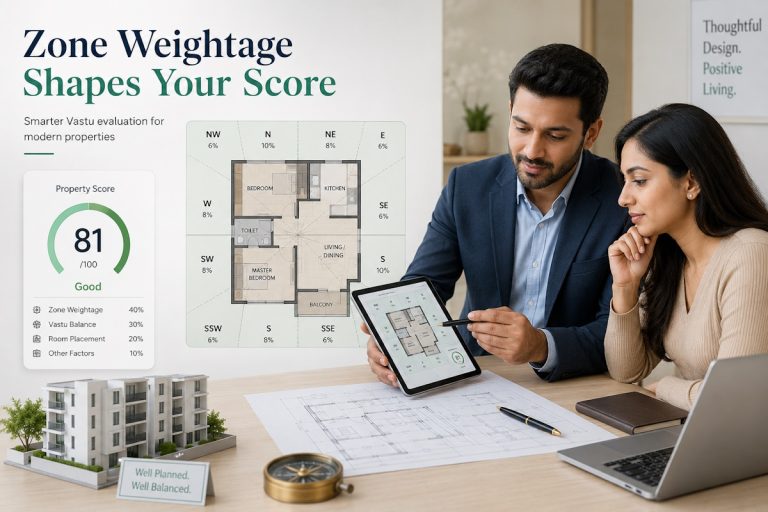
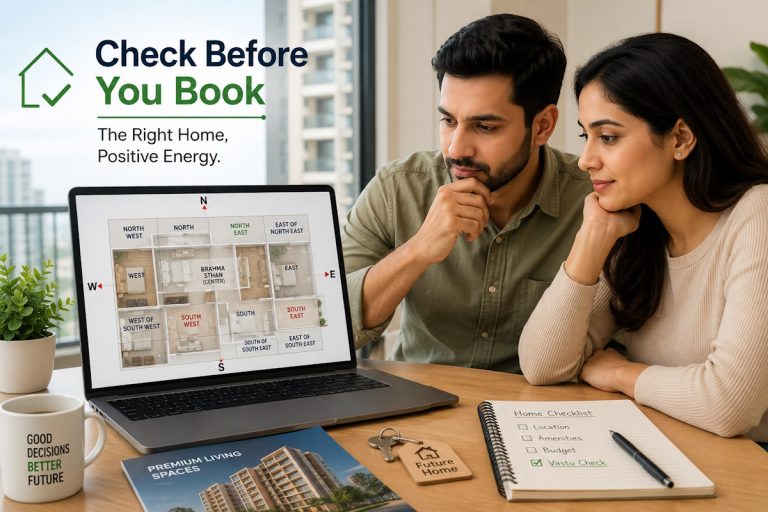
Start by overlaying the 16-zone grid on your floor plan. See which rooms touch which zones. Even partial overlap matters.
Do not panic if something is off. Vastu works on correction, not perfection. Furniture placement, usage shifts, and subtle adjustments make real differences.
The goal is not to demolish. The goal is to align function with zone behavior.
Common Mistakes People Make With the 16 Zones
One big mistake is assuming corners alone matter. Every wall length counts.
Another is treating deities as decorative labels instead of functional energies. Each zone responds to action, not belief.
Also, people often over-fixate on North-East and ignore South-West. Balance matters.
Final Thoughts on Living With the 16 Zones
Understanding the 16 zones in Vastu changes how you look at space. Rooms stop being random boxes. They become tools.
If something feels off in your life, your house might already be showing you where the friction is.
Walk through your home with this knowledge. Ask simple questions. Is this activity right for this zone? Is this space supporting or resisting me?
That awareness alone shifts outcomes.
And once you see it, you cannot unsee it.