The conversation around home design has changed everywhere. People are no longer looking only at square footage, upgrades, or curb appeal. Many buyers now want a space that feels grounded, balanced, and good to live in. This is where Feng Shui vs. Vastu comes into the picture, especially in real estate markets outside Asia. You see a mix of curiosity, practicality, and sometimes confusion among homeowners who want to bring these systems into modern spaces. If you’re trying to figure out how these traditions shape buying decisions, property values, or even architectural choices, this guide clears things up in a real-world way.
Why People Care About These Systems
Most people want their home or office to feel stable. They want less stress. They want better flow in tight apartments. Some want help choosing a plot. Others want guidance before buying a condo in a dense city. Feng Shui and Vastu offer structure when everything else feels random.
You also see these ideas show up in luxury listings, new construction communities, and commercial development pitches. A unit marketed as Feng Shui friendly in San Francisco or Vastu compliant in Toronto often attracts faster attention. Builders and agents are catching on.
The Roots of Two Different Systems
Even though people lump them together, Feng Shui and Vastu come from separate traditions.
Feng Shui is a Chinese practice focused on energy flow through the arrangement of rooms, shapes, openings, and objects. It tends to be flexible. You work with what you have and adjust placements, furniture, colors, and entry paths to improve the feel of a space.
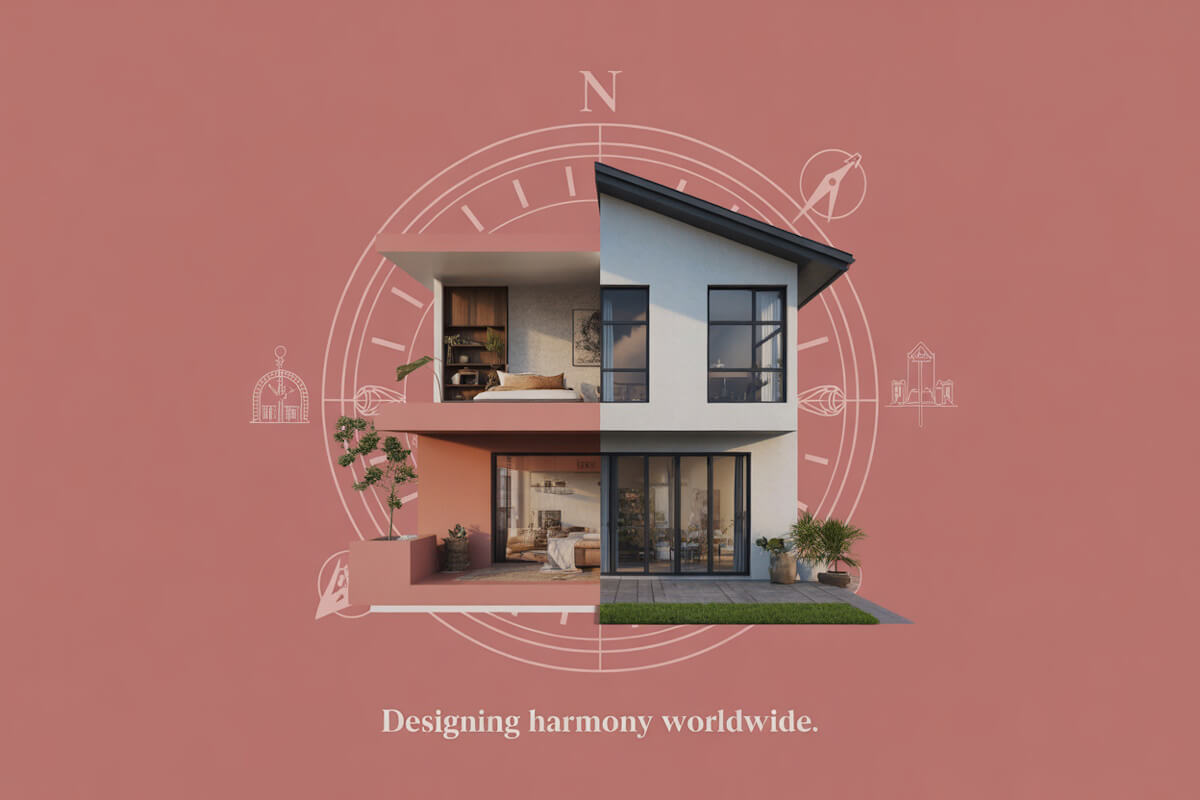
Vastu comes from ancient Indian guidelines tied to the orientation of a structure, placement of rooms, and directional forces. It is more structural. Many rules revolve around where the entrance should be, where the kitchen goes, and how the plot sits in relation to the compass.
When you compare Feng Shui vs. Vastu, you find that one adapts well to existing buildings while the other focuses more on planning from the ground up.
How These Ideas Travel Across Continents
Interest in both traditions picked up in North America, Europe, Australia, and parts of the Middle East in the last decade. Owners of high-rise condos want better layouts. Buyers of single family homes want meaningful design choices. People moving into their first home want a sense of stability. These philosophies offer that.
Real estate agents also bring them up more often. If a home feels awkward or dark or cramped, many agents talk to sellers about easy Feng Shui steps. When builders meet buyers from South Asia, Vastu questions show up right away. Over time these imported expectations become part of the general conversation, even for people who never heard of these systems before.
Core Principles Side by Side
While both focus on harmony, the mechanics differ.
Feng Shui focuses on flow. It asks whether energy enters smoothly, moves without blockage, and settles in the right places. A typical assessment checks the entry point, walkway clutter, seating positions, bed direction, and balance of elements like wood, water, fire, earth, and metal.
Vastu focuses on directional strength. It ties each direction to a set of functions. North or east facing entrances are preferred. The southeast is usually for the kitchen. The southwest is often reserved for the master bedroom. Shape of the structure matters. Open corners matter. Water bodies matter.
People looking at Feng Shui vs. Vastu often pick the system that matches how they live. Someone in a rental apartment with little control over layout may lean toward Feng Shui because it allows smaller fixes. Someone designing a custom home might use Vastu early in the planning stage.
How Buyers Use These Rules in Real Life
In markets like New Jersey, Texas, Vancouver, and Singapore, these rules influence home tours more than some sellers expect. Buyers walk into a house and quickly check the entrance, kitchen location, staircase position, and bedroom placement. One awkward detail can turn them off.
For example, a home with a staircase directly facing the front door might raise concerns for people who prefer Feng Shui guidelines. A northwest kitchen might bother buyers who follow Vastu. These reactions can affect the pace of a sale.
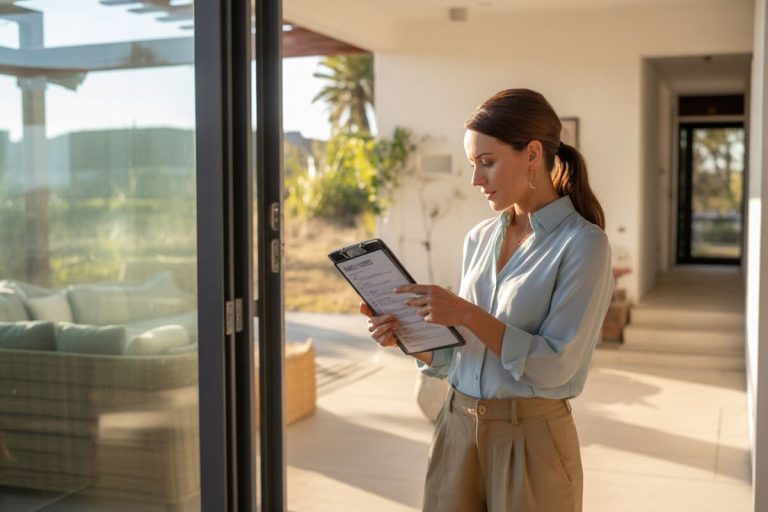
Some buyers carry compasses during showings. Others use floor plans to compare directional accuracy. Real estate agents who understand these expectations can show the right homes without wasting time.
Influence on New Construction Markets
Developers who want to appeal to a broader buyer pool try to include neutral layouts that work for both systems. They place entries in favorable directions when possible. They avoid cutting corners that create odd shapes. They think twice before locating bathrooms in sensitive zones.
You see this more in cities with large Asian or South Asian populations. Builders learn that a slightly better orientation can boost interest. Even commercial spaces, like offices and retail buildings, sometimes follow basic directional planning to attract long term tenants.
Some condominium projects offer optional Feng Shui consultations. A few custom builders partner with Vastu specialists early in design planning. These services become selling points.
When Feng Shui Works Better in Modern Homes
Smaller units, apartments built with restricted layouts, and homes in dense areas are easier to adjust with Feng Shui. Furniture placement, mirror positions, use of plants, and clearing blocked pathways make a noticeable difference.
If you live in a one bedroom apartment with the kitchen in the wrong zone and the entrance facing a hallway, you cannot rebuild the whole place. Feng Shui gives you flexible tools to work around those fixed elements.
Buyers and renters in cities like New York, Hong Kong, and Toronto often look for functional placements rather than orientation based perfection. That is where Feng Shui becomes helpful.
When Vastu Matters More
Vastu comes into play for people building on open plots, buying new suburban homes, or choosing between different phases of a housing development. Buyers who want their home to be oriented in a certain direction pay extra attention during early selection.
Large single family homes can support clearer directional zoning. If you have the chance to pick the plan and the lot, and Vastu is important to you, you get more control. That is why many South Asian families focus heavily on Vastu compliant orientation when moving to areas with newer construction.
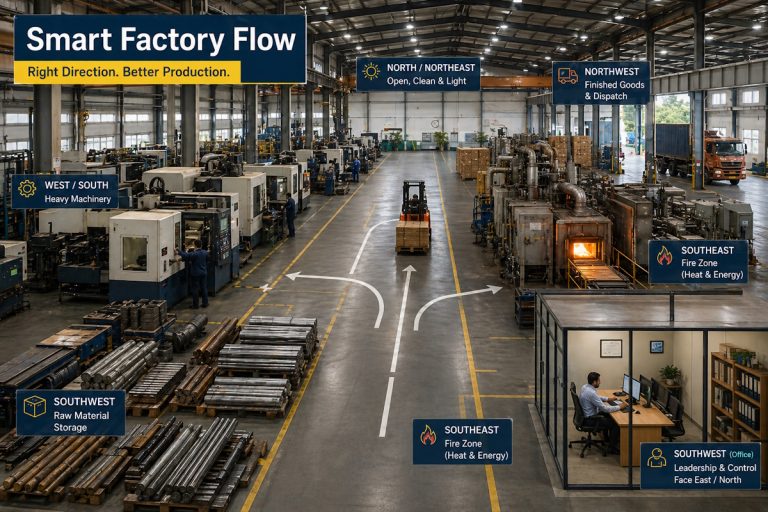
Some commercial buyers also use Vastu to choose office units or warehouse sites because directional planning works well with large open spaces.
How These Systems Influence Pricing
Sellers sometimes get surprised by how strongly these factors affect offers. A house that is perfect on paper may get fewer visits if the entrance faces a direction some buyers avoid. A townhome with the master bedroom in an unfavorable zone for Vastu followers may sit longer on the market.
On the other hand, a property with ideal Feng Shui features, like a bright entry and good room flow, can attract multiple demographics, not only people who follow the system.
In markets with diverse populations, small alignment details can influence price negotiations. Some agents recommend adjusting furniture or staging based on Feng Shui to make the home feel better, even for buyers who never heard of it.
Influence on Commercial Real Estate
Both systems affect commercial choices more than people think.
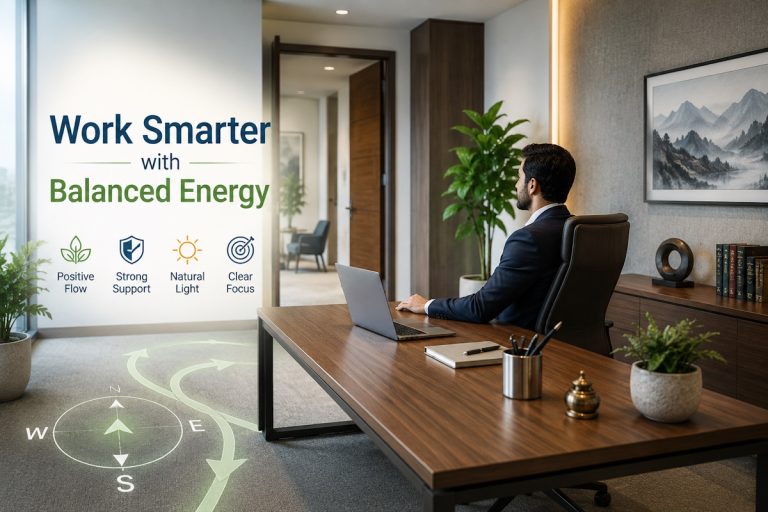
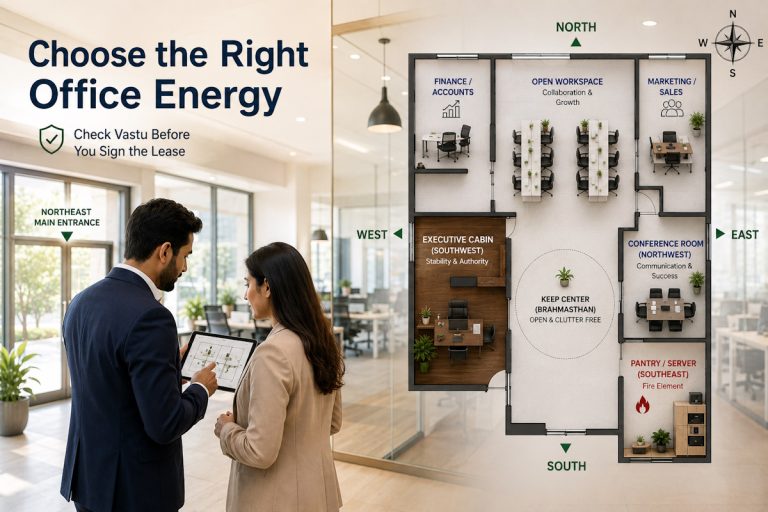
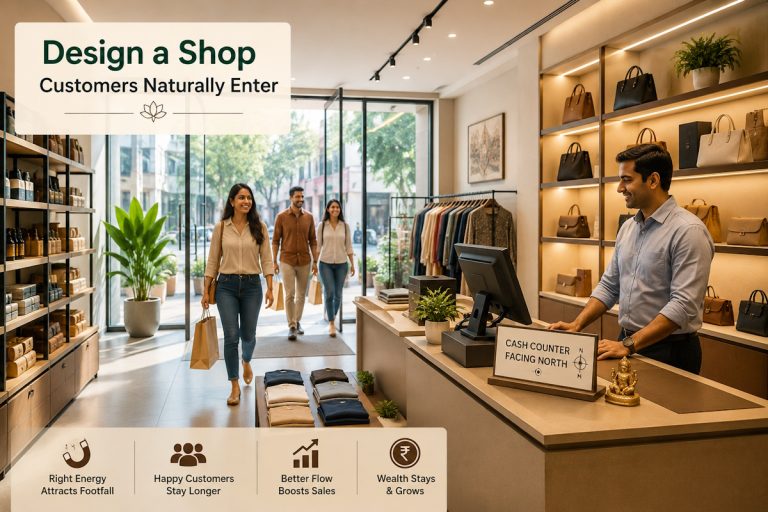
Retail businesses want strong entry energy. Offices want stable zones for work stations and leadership rooms. Warehouses want the right orientation for long term growth. Some building owners consult both systems when planning renovations.
Tenants who follow Vastu may ask for southwest offices or avoid units with certain facing directions. Tenants who prefer Feng Shui might choose corner units with better natural flow. If you are leasing out space, understanding these preferences helps you keep the place occupied.
Blending Systems in Mixed Households
Some families care about Feng Shui. Some care about Vastu. Some have members who follow both. This creates interesting challenges. You might have a home that works for one system and not the other.
People in mixed households tend to use a practical approach. They follow Vastu for structural choices when possible and use Feng Shui tweaks to improve livability. This balanced method works especially well in apartments where structural changes are not an option.
If you have different beliefs in the same home, the key is finding shared ground. Both systems emphasize clarity, light, and safety. Start from there.
How Buyers Decide Which System to Trust
Many buyers choose based on familiarity. If you grew up with Vastu, you likely understand the directional rules. If you were raised around Feng Shui ideas, you understand energy flow better.
Others choose based on convenience. Someone buying a downtown condo might see Feng Shui as easier. Someone building a custom home in the suburbs might prefer Vastu for long term structure.
A few people mix and match because they want the best of both. That is completely normal in global markets.
When you compare Feng Shui vs. Vastu, the choice depends on your control over layout and your long term plans. Both can guide you. Both can make your home feel more grounded.
How Real Estate Professionals Respond
Agents, architects, interior designers, and builders now study these systems because clients mention them during early conversations. It affects recommendations from day one.
An architect might rotate a plan by a few degrees for a client who cares about orientation. An agent might schedule showings only for listings that match the buyer’s preferred facing direction. A designer might pick light fixtures, colors, and furniture layouts that improve circulation patterns.
People appreciate professionals who understand these expectations, especially when moving to a new country where local home styles differ from what they grew up with.
The Global Shift Toward Meaningful Design
The rise of these systems in real estate signals a shift in buyer priorities. People want homes that support their mental clarity. They want rooms that feel open instead of chaotic. They want a sense of calm during busy lives. Whether this comes from Feng Shui or Vastu does not matter as much as the intention behind it.
Homes are no longer viewed only as financial assets. They are living spaces where people want the energy to make sense.
Practical Advice If You Want To Use These Ideas
If you are thinking of applying these systems in a real home, it helps to focus on what is possible.
Look at the entrance first. The entry determines the first impression. Keep it open and well lit.
Look at the kitchen placement. In some Vastu sensitive markets, southeast kitchens are favored. For Feng Shui followers, a kitchen that is not directly in line with the front door is important.
Look at bedroom direction. Most people want calm, privacy, and stability in these rooms. Bed placement plays a huge role.
Look at flow. Try to avoid cramped pathways, heavy clutter, or sharp edges pointing at seating areas. Even small changes make daily life more comfortable.
Consider your layout flexibility. If you cannot change the structure, Feng Shui gives you more wiggle room. If you are building from scratch, Vastu offers a clear map.
The Bottom Line for Modern Buyers
Homes that respect balance, direction, and flow appeal to a wider range of buyers. When looking at Feng Shui vs. Vastu, both systems push you toward thoughtful design choices that work well in many cultures. People feel better living in spaces that follow these ideas.
If you plan to buy, build, or renovate, you can use either system to guide you toward smarter decisions. And if you work in real estate, learning these principles helps you connect with more clients.
No matter where you live or how big your home is, these traditions give you a reliable framework to create a space that supports daily life.