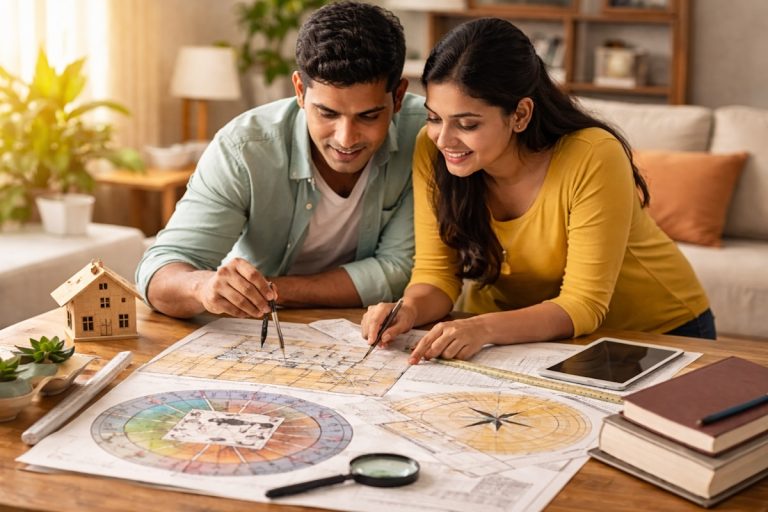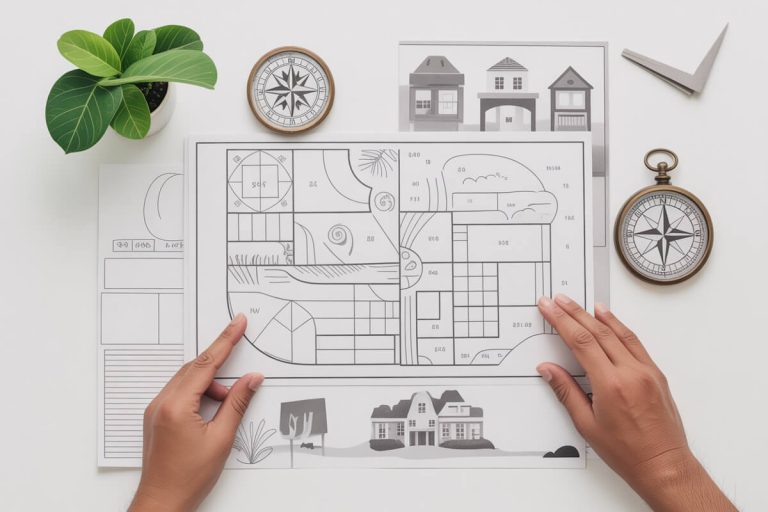
People across the world search for practical ways to create homes that feel balanced, functional, and calm. When they hear about Vastu Shastra, they often wonder if it is rooted in logic or if it is just a bundle of old beliefs. The truth sits somewhere in the middle. Many Vastu principles connect directly with climate, airflow, engineering logic, and human behavior. Some parts grew from cultural habits. When you understand which is which, you can use Vastu like a practical guide rather than a strict rulebook.
This article breaks things down so you can make sense of the science behind Vastu Shastra without feeling pressured by superstition. Whether you own a home, design buildings, or look for smart updates in an apartment, this will give you a grounded view.
Where Vastu Principles Actually Come From
Vastu Shastra began as a manual for building homes in the Indian subcontinent. Long before electricity, HVAC systems, or engineered windows existed, people needed ways to manage heat, wind, daylight, and rain. Vastu formed from that need. It shaped layouts based on local climate, available materials, and social habits.
When you look at Vastu through that lens, it becomes clear that many guidelines have a rational base. For example, opening windows toward the east in old Indian towns wasn’t about pleasing a deity. It was a practical choice because morning light is softer and cooler. Thick western walls helped manage afternoon heat because the sun is harsh on that side. Homes were oriented to catch breezes and stay dry during monsoon months.
Once you recognize the environmental logic behind Vastu, it starts to make sense why certain recommendations still feel relevant today.
Directions and Energy Flow: What Has a Scientific Link
People often get confused by the word energy in Vastu. Many imagine a mystical force. In everyday life, energy simply means natural forces such as sunlight, wind, temperature patterns, or even the psychological effect of space.
When Vastu talks about directional flow, the scientific side usually refers to environmental patterns.
The East
In India, the east brings gentle morning sun. It signals a natural wake-up cycle that helps regulate circadian rhythms. Bedrooms that get morning light often help you feel more balanced. The US and Canada also benefit from this idea, though the intensity of sunlight varies by region.
The North
In the northern hemisphere, the north side receives stable, indirect light. It avoids glare and avoids overheating spaces. Designers and architects often prefer north light for offices, studios, and reading areas because it stays steady through the day.
The South and West
These directions usually get hotter. In warm climates, Vastu suggests using them for storage, staircases, or thicker walls. Modern science supports this by recommending shading, denser insulation, or smaller windows on the south and west to reduce heat gain.
So when Vastu mentions positive or heavy energy, it usually points to simple environmental behavior.
Ventilation Natural Light and Comfort
One of the strongest scientific roots of Vastu lies in airflow. Cross ventilation is a key concept. Homes that allow air to move from one direction to another feel fresher. This reduces indoor pollutants and helps stabilize indoor temperature.
Centuries ago, Vastu texts described the need for open courtyards, aligned windows, and uncluttered entrances. These ideas match what architects promote today. Adequate daylight reduces eye strain, supports sleep patterns, and keeps moisture levels under control. A bright entrance or living area naturally uplifts mood and encourages social interaction.
If you think about your own home, you can probably feel when airflow is blocked or when a room stays dark all day. Vastu tries to avoid that. No superstition there.
Placement of Rooms: Practical or Ritual?
Some Vastu suggestions link directly with daily behavior and comfort.
Kitchen Placement
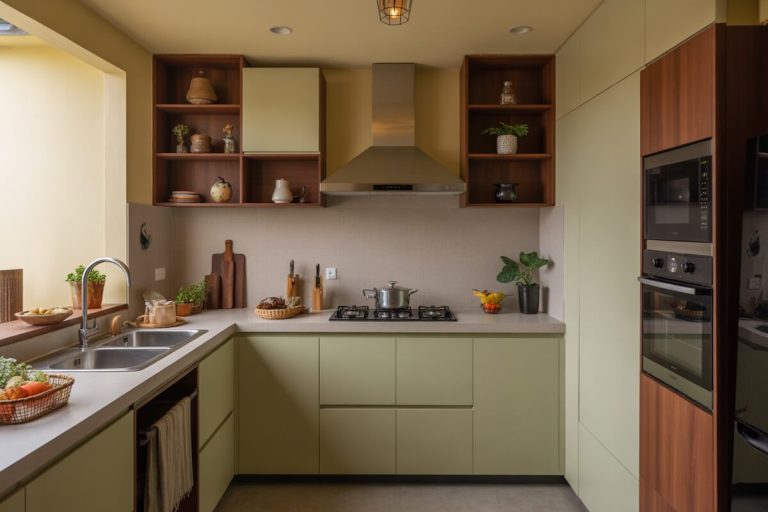
Putting the kitchen toward the southeast was helpful in older Indian climates because that direction stayed drier and less humid. Fire-related work also performed better with stable airflow. In modern homes, the same idea still works when you consider ventilation paths. A kitchen stuck in a dead corner with no window can trap smoke, moisture, and odors.
Master Bedroom in the Southwest
This recommendation often sounds mystical. But think of it this way – the southwest corner tends to be the most stable because it receives late-day sunlight and usually has the least morning glare. It stays slightly warmer and makes the space cozy. Heavy furniture fits naturally in this corner because of layout proportions in rectangular homes.
Bathrooms in the West or Northwest
Moisture-heavy rooms fit better on sides that can dry quicker. The west gets more heat, which helps evaporation. The northwest receives steady winds in certain regions. Modern design teams also pick these sides for plumbing stacks and to keep living zones quieter.
So much of Vastu room placement is about ventilation, temperature control, moisture management, and how people use rooms daily.
Spaces That Influence Mood
Now we get into an area where people mix superstition and psychology. Vastu does mention that clutter affects energy. In a modern sense, clutter affects mood, concentration, and stress levels. A messy entryway makes a home feel chaotic even if you try to ignore it. A dark hallway feels uncomfortable not because of invisible forces but because humans react to confinement or poor lighting.
A balanced home layout improves wayfinding, reduces noise transfer, and creates smoother movement. If you have ever walked into a home where everything feels tight or gloomy, you know it impacts how you feel. Vastu uses terms like harmony and flow, while modern psychology talks about spatial comfort. They point to the same thing.
The Entrance: Symbolic or Scientific?
The main door receives the most Vastu attention. Many people view it as a spiritual threshold. The practical side is simple. The entrance decides how air, light, and visitors enter the home. A well-lit, spacious entry feels welcoming and reduces anxiety for guests. It also makes everyday movement easier.
Placing the entrance in the north or east in tropical climates helped capture cooler breezes. In cold regions like Canada, you might not want an east-facing door because early daylight might not matter as much as wind exposure or snow buildup. The key is understanding the local climate rather than following a rule blindly.
Vastu encourages a clean, obstruction-free entrance. That is common sense. A blocked doorway creates physical and psychological friction. Nothing superstitious there.
Scientific Misinterpretations That Turn Into Superstitions
Certain Vastu ideas lost their original context over time. This is where superstition creeps in.
Storing Water in the Northeast
Originally, the northeast corner stayed cooler and received gentle light. It was perfect for storing drinking water in a world without refrigerators. Today people think that a water element here brings wealth. The old reason was simply to keep water fresh.
Avoiding a Tree Directly in Front of the House
In ancient streets, a large tree directly in front blocked ventilation and sunlight. It also made it harder for carts and people to move freely. The rule got interpreted as a sign of bad luck. In reality, it was a traffic and airflow issue.
Keeping the Center of the Home Empty
This came from the need for a courtyard that promoted air circulation and allowed smoke from cooking to escape. Over time it turned into the belief that the center of the home must stay empty for cosmic balance. Today, an open central zone improves airflow and creates a sense of spaciousness. It is simply good design.
Once you understand the original purpose, you can apply the logic without anxiety.
Vastu in Apartments and High Rises
Many homeowners worry that they cannot follow Vastu in an apartment. Modern construction uses fixed layouts, stacked plumbing, and structural limits. But most practical Vastu elements still work.
Here is how the scientific parts apply:
- Choose a unit with good natural light from at least one direction.
- Pick a layout that does not place bedrooms next to noisy elevators or trash rooms.
- Try to place your work desk where you get steady daylight without glare.
- Keep pathways open so movement feels natural.
- Improve ventilation with window cross flow or air purifiers.
- Use the brighter side of the home for social activity and the quieter side for rest.
When you look at it this way, Vastu becomes flexible rather than rigid.
Modern Homes in the US and Canada
Homes in these regions deal with different climates. Long winters, heavy snow, and strong winds affect how doors, windows, and vents are placed. So Vastu rules that arose from tropical heat should be adapted.
You can apply the scientific parts without forcing the cultural parts.
For example:
- South facing homes in colder regions capture more heat, which is helpful.
- Large west windows may create glare during long summer evenings.
- A central open area helps circulating warm air during winter.
- Bathrooms on exterior walls reduce humidity problems.
- Home offices work well on the east or north for stable daylight.
By translating Vastu ideas into local building logic, you get a home that feels balanced without superstition.
Colors and Materials: Cultural Meaning or Science?
Vastu assigns colors to directions. Some people take these literally. The truth is more practical. Colors influence perception. Light colors reflect brightness. Dark colors absorb light. Cool tones can make a room feel calm. Warm tones can make a room feel cozy.
Vastu often picks colors based on natural light availability. A dark southwestern room might feel heavy, so a lighter wall color helps. A bright east room can handle deeper colors because it gets enough morning light.
Materials mentioned in Vastu, like wood or stone, were chosen for durability and temperature control. Thick stone walls kept heat down. Wood doors expanded and contracted less in humid climates. These choices had nothing to do with rituals. They came from material science.
Where Superstition Takes Over
Every field has beliefs that drift away from logic. Vastu is no different. When people start fearing certain directions, obsessing over symbolic corrections, or purchasing objects that promise prosperity, the scientific base gets lost.
Common examples:
- Thinking mirrors pull wealth out of the house
- Believing placing a bowl of salt fixes all problems
- Assuming financial trouble is caused by sleeping direction
- Using metal pyramids or stickers as magical cures
These ideas float around because people like quick solutions. They are not part of the scientific core of Vastu.
Real change comes from improving airflow, light, layout, and comfort. Those things impact mood, health, and productivity.
How You Can Use Vastu Without Feeling Controlled by It
If you want Vastu to help your home feel balanced, focus on the parts that connect with architecture, climate, and behavior.
Here is a good way to approach it:
- Treat direction as a guideline, not a rule.
- Prioritize natural light and ventilation.
- Keep heavy functions on sides that can handle heat or noise.
- Keep the entrance clean and spacious.
- Improve central flow, so movement feels natural.
- Use materials that suit your climate.
- Make practical adjustments instead of symbolic fixes.
When you apply Vastu with a clear mind, it simply becomes a method for thoughtful design.
Why Vastu Still Matters in Modern Times
Some people assume Vastu conflicts with engineering or modern design. In reality, many architects already use similar ideas without calling them Vastu. Orientation, daylighting, passive cooling, zoning, privacy planning, and thermal control all match Vastu concepts.
People care about how their homes feel. They want better sleep, smoother routines, and healthier spaces. Vastu offers a structure for this, and the scientific parts support it.
When you strip out fear and superstition, what remains is a set of practical suggestions based on climate, comfort, and observation.
Final Thoughts
You do not have to choose between belief and practicality when it comes to Vastu Shastra. The core ideas grew from studying climate, airflow, light, and human needs. That part still holds value in today’s homes, whether you live in a suburban US neighborhood, a condo in Toronto, or a compact flat in Mumbai.
If you treat Vastu as a guide rather than a strict doctrine, you can create a home that feels steady, comfortable, and supportive. The science behind many principles is strong enough to stand on its own. The rest is cultural tradition that you can choose based on personal comfort.
That balance is what makes Vastu useful in the modern world.