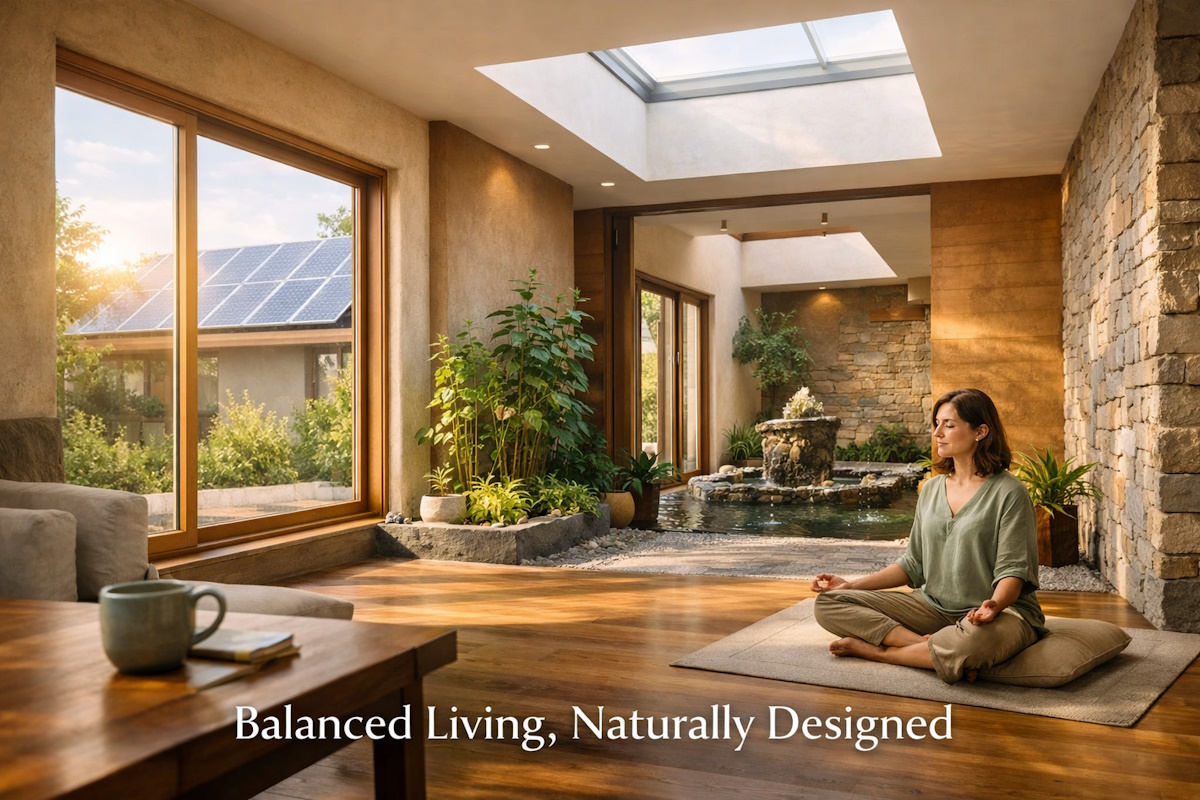
The Future of Living: Understanding Eco-Vastu in 2026
As we move into 2026, the architectural landscape is undergoing a radical shift. Homeowners and developers are no longer viewing sustainability and ancient spatial sciences as separate entities. Instead, a new paradigm called Eco-Vastu has emerged, blending the rigorous requirements of regenerative architecture with the energetic clarity of Vastu Shastra. This integration is not merely a trend but a response to a global need for living spaces that support both the planet and the human spirit. By focusing on Vastu for sustainable homes, modern occupants are finding that they can achieve carbon neutrality without sacrificing the subtle energy flows that promote peace and prosperity.
The core of this movement lies in the understanding that a building is a living organism. Just as sustainable design seeks to minimize a building’s ecological footprint, Vastu Shastra seeks to maximize its “Prana” or life-force energy. When these two disciplines align, the result is a home that breathes, heals, and sustains its inhabitants. This article explores how directional logic, elemental balance, and modern green technologies converge to create the high-performance homes of tomorrow. Whether you are planning a new construction or looking to retrofit an existing property, understanding the synergy between biophilic design and vastu is essential for a truly holistic living experience.
The Elemental Core: How Vastu for Sustainable Homes Functions
The foundation of Vastu Shastra is the Panchmahabhuta, or the five great elements: Earth, Water, Fire, Air, and Space. In the context of 2026, these elements are being reimagined through the lens of modern sustainability. Vastu for sustainable homes prioritizes the natural characteristics of these elements to reduce reliance on artificial heating, cooling, and lighting. By respecting the inherent energy of each direction, architects can design buildings that are naturally more efficient and energetically vibrant.
Solar Energy and the Eastern Meridian
The East is traditionally governed by the Sun, the source of all life and energy. In sustainable architecture, the East is the primary axis for passive solar gain. By placing large, high-performance windows in the Eastern sector, a home can capture the gentle morning sunlight, which naturally disinfects the space and boosts the vitamin D synthesis of its occupants. This alignment reduces the need for artificial lighting during the day. From a Vastu perspective, this ensures that the home is flooded with positive solar energy, which is vital for health and social status. When designing Vastu for sustainable homes, it is critical to ensure that the Eastern facade is unobstructed to allow this vital energy to penetrate deep into the living zones.
Water Stewardship and the Northeast Quadrant
The Northeast is associated with the Water element and is considered the most sacred zone in Vastu. Modern sustainable homes utilize this area for advanced rainwater harvesting and greywater recycling systems. Placing water features or storage tanks in the Northeast not only aligns with the elemental logic of Vastu but also serves a practical purpose in eco-friendly water management. It is important to keep this area light and clean. Avoid placing heavy machinery or waste processing units here, as this can stagnate the flow of “Ishanya” energy, potentially leading to mental clutter or financial hurdles for the residents.
Biophilic Design and Vastu: A Synergy of Nature and Energy
Biophilic design is the practice of connecting people with nature within the built environment. In 2026, biophilic design and vastu are being recognized as two sides of the same coin. While biophilic design focuses on the physiological and psychological benefits of nature, Vastu provides the geometric and directional framework to ensure these natural elements are placed where they can do the most good. This synergy creates a “living” atmosphere that reduces stress and enhances cognitive function.
The Psychological Impact of Directional Greenery
Integrating indoor forests, green walls, and atriums is a hallmark of modern sustainable architecture. However, the placement of these features is crucial. According to Vastu, the North and East zones are ideal for light greenery and flowering plants, as they represent growth and new opportunities. Conversely, heavy planters and large trees are better suited for the South and West, where they provide structural stability and shade against the harsh afternoon sun. This practical application of biophilic design and vastu ensures that the natural elements support the home’s thermal mass while balancing its energetic signature.
Best Practices for Indoor Plant Placement
When selecting plants for an eco-friendly Vastu home, focus on species that are native to your region and known for high oxygen production. Placing a Tulsi or a collection of air-purifying ferns in the North-East can enhance the clarity of the space. Avoid thorny or milky sap plants indoors, as they are thought to create “Shar” or piercing energy that can disrupt the calm atmosphere of a bedroom or meditation area. By following these eco-friendly vastu tips, you can create a sanctuary that feels as vibrant as a natural forest.
Materials and Texture: Eco-Friendly Vastu Tips for Construction
The materials used in a building have a profound impact on its energetic quality and its environmental footprint. Vastu emphasizes the use of “living” materials that are sourced from the earth and are free from toxic chemicals. In 2026, the shift toward cross-laminated timber, rammed earth, and hempcrete is perfectly aligned with the principles of Vastu for sustainable homes. These materials possess a natural vibration that synthetic materials like plastic or volatile organic compound-heavy paints lack.
Low-Impact Materials and the South-West Stability
The South-West zone of a home represents the Earth element and provides stability and longevity. Using heavy, sustainable materials like natural stone or stabilized earth blocks in this sector is highly recommended. These materials have high thermal mass, which helps regulate indoor temperatures by absorbing heat during the day and releasing it at night. This reduces the energy load on HVAC systems. In Vastu, a heavy and solid South-West ensures that the “Yama” energy is grounded, providing the inhabitants with a sense of security and financial steadiness. This is one of the most effective eco-friendly vastu tips for modern builders who want to combine structural integrity with energy efficiency.
Natural Finishes and the Flow of Prana
Interior finishes should be chosen with care. Using lime plasters and clay-based paints allows the walls to “breathe,” regulating humidity levels naturally. In Vastu, breathable walls prevent the stagnation of energy, allowing Prana to circulate freely through the 16 zones. Avoiding synthetic carpets and opting for reclaimed wood or bamboo flooring in the North and East sections can further enhance the light, airy feel required in those directions. These choices demonstrate that Vastu for sustainable homes is as much about the molecular health of the space as it is about its directional orientation.
Energy Performance and the 16-Zone Framework
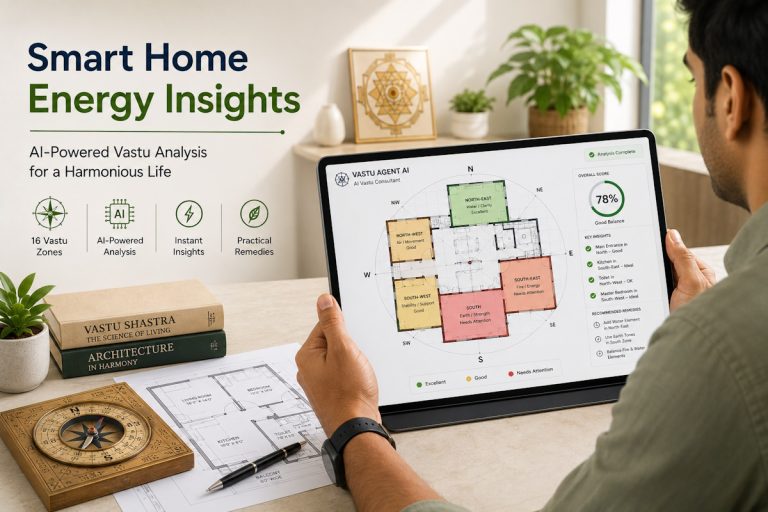
Advanced Vastu analysis in 2026 utilizes a 16-zone framework to pinpoint specific areas of a home that influence different aspects of life, from health to career. When combined with energy modeling software, this allows for a precision-engineered home that performs optimally. For example, the North-North-West zone is associated with attraction and can be optimized for natural ventilation, while the South-East zone, governed by Fire, is the ideal location for solar inverters and energy storage systems.
Optimizing the Vayu Zone for Natural Cooling
The North-West is the zone of Air (Vayu). In sustainable design, this direction is often utilized for cross-ventilation. By placing windows or wind scoops in the North-West and their corresponding exhausts in the South-East, a natural pressure gradient is created that flushes out stale air and heat. This reduces the reliance on mechanical cooling. In Vastu for sustainable homes, a clear and active North-West promotes healthy social connections and ensures that the residents do not feel “stagnant” in their personal or professional lives. This is a prime example of how physical comfort and energetic health are inextricably linked.
The Central Void: Brahmasthan and Light Wells
The center of the home, known as the Brahmasthan, represents the Space element and should ideally be kept open. In modern eco-architecture, this is the perfect spot for a central courtyard or a light well. A central light well brings natural illumination into the core of the building, significantly reducing the need for electric lights in hallways and central rooms. Energetically, an open Brahmasthan allows the home to “inhale” cosmic energy and distribute it evenly to all other zones. This is perhaps the most powerful of all eco-friendly vastu tips for achieving a high-vibration living environment.
Guidance for Homeowners and Developers
When embarking on a project that integrates biophilic design and vastu, it is important to start with a clear intention. The goal is not to follow a set of rigid rules out of fear, but to use these principles as a toolkit for better living. Modern Vastu is about correction and alignment, not demolition. If you are moving into a pre-built sustainable apartment that has Vastu imbalances, focus on non-invasive remedies like color therapy, elemental balancers, and strategic plant placement.
For developers, incorporating Vastu for sustainable homes at the master planning stage can significantly increase the market value and desirability of a project. Buyers in 2026 are increasingly conscious of how their environment affects their mental health and energy levels. A development that is certified both for its green credentials and its Vastu compliance offers a unique competitive advantage. It demonstrates a commitment to the total well-being of the future residents, ensuring that the community thrives for generations to come.
The synthesis of ancient wisdom and modern technology is the hallmark of our era. By embracing the principles of Eco-Vastu, we create spaces that are not only efficient and beautiful but also deeply nourishing. This approach allows us to live in harmony with the natural world while tapping into the profound energetic benefits that Vastu Shastra has offered for millennia. If you are ready to take the next step in your home-building journey, seek expert advice to ensure your vision is perfectly aligned with the laws of nature.
FAQs
1. Can a home be 100% sustainable and 100% Vastu compliant?
Yes, it is entirely possible. In fact, most sustainable principles, such as passive solar heating and natural ventilation, are inherently aligned with Vastu. The key is to integrate Vastu for sustainable homes during the initial design phase to ensure that directional requirements for rooms do not conflict with energy-saving strategies. Professional guidance can help reconcile any minor conflicts between thermal performance and directional logic.
2. Does biophilic design help in correcting Vastu doshas?
Biophilic design and vastu work together effectively to remediate energy imbalances. For example, if a home has a missing corner in the North, adding a green wall or a water-based biophilic feature in that area can energetically “extend” the space and restore balance. Plants and natural materials act as living remedies that can soften the impact of structural Vastu defects without requiring major renovations.
3. Are eco-friendly materials always better for Vastu?
Generally, yes. Natural materials like wood, stone, and clay have a higher “Bovis” scale energy rating compared to synthetic materials like plastic or steel. These materials allow for a better flow of Prana and do not emit harmful chemicals that can disrupt the subtle energy field of the home. Using eco-friendly vastu tips when choosing materials ensures a healthier environment for both the planet and the residents.
4. What is the most important Vastu zone for a sustainable home?
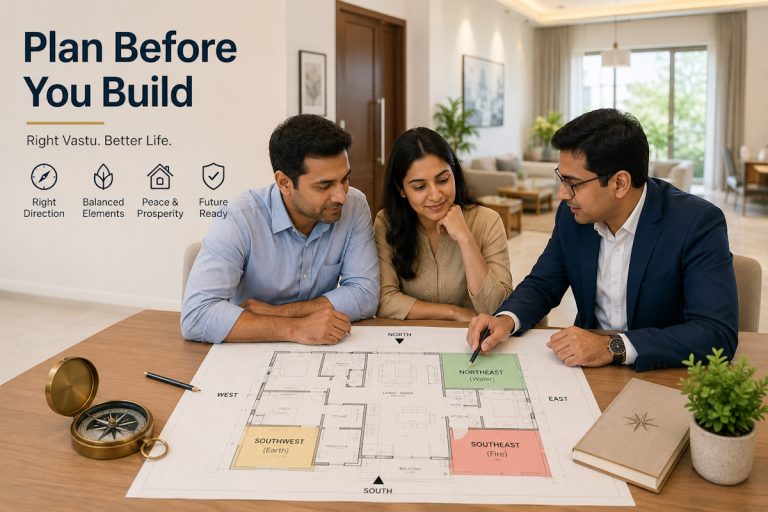
While all zones are important, the Northeast (Water/Growth) and the Southwest (Earth/Stability) are critical. The Northeast should be kept open and light to allow energy in, making it perfect for solar gain and water features. The Southwest should be heavy and solid to ground the energy and provide thermal mass. Balancing these two axes is the secret to a successful sustainable Vastu home.
5. How does Vastu Consult help with modern eco-homes?
Vastu Consult specializes in merging traditional 16-zone analysis with modern architectural constraints. We provide data-driven reports and AI-based analysis that help homeowners and architects make informed decisions. Our focus is on practical, non-invasive solutions that enhance the energy efficiency and vibrational quality of sustainable properties, ensuring they are truly fit for the future.