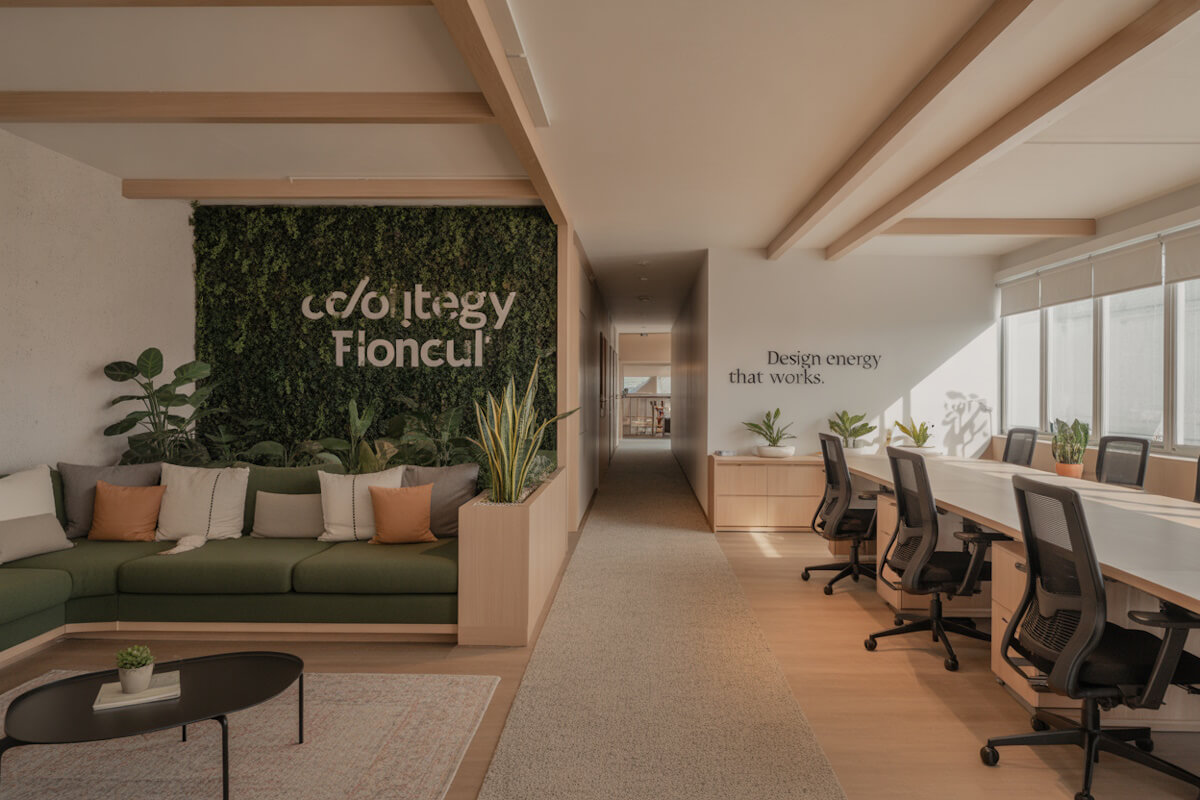
Coworking offices push different types of people into a shared space. You get freelancers, tech teams, small companies, consultants, hybrid workers, and remote staff all under one roof. With that mix, even small layout issues can drain focus. When energy keeps shifting, the space feels noisy or off balance. This is where Coworking Space Vastu becomes useful. You can treat it like a practical guide for arranging zones, desks, lighting, and activity areas so the entire place feels steady and productive.
The goal is simple. You want people to feel comfortable enough to think clearly, interact well, and work longer without fatigue. You also want the owner of the coworking business to get steady occupancy and satisfied members. A space that feels grounded brings both.
Below is a detailed, long-form walkthrough designed for designers, owners, and managers who want a workspace that stays busy, calm, and profitable.
Why Coworking Spaces Need a Different Vastu Lens
Traditional offices usually support one company with similar job roles. A coworking floor carries different work styles. Some users need silence. Some need collaboration. Others take calls all day. Vastu can help organize these different zones so energy doesn’t conflict.
Coworking Space Vastu focuses on flow – which side of the floor feels active, which feels stable, which corners support leadership, where communication-heavy functions work best, and where long-focus workers need to sit.
Think of it as arranging a big shared home for many families. Everyone needs something different, but the overall structure should stay balanced.
Ideal Orientation of the Coworking Floor
The direction of the main entrance sets the tone for the entire property.
Best entrance directions
North or east works well for coworking because these directions support movement, new opportunities, customer flow, and financial growth. If the entrance faces these sides, foot traffic usually feels natural and members tend to enter without hesitation.
A northeast entrance stays calm, but it’s not always ideal for a high-activity business, unless the space uses proper partitioning to keep that corner peaceful.
South entrance can work if the interior layout compensates with stronger grounding elements in the south and southwest.
Lobby placement
The reception desk does the job of first contact. In Coworking Space Vastu, this desk should sit in the east or north. The person handling inquiries should face north or east while sitting. This keeps communication smooth and helps the space appear organized rather than chaotic.
The lobby can become the busiest zone, especially during morning hours. Keeping it open and bright helps prevent congestion. Avoid crowding the lobby with decorative items that confuse movement. People should feel guided naturally toward the work areas.
Desk Layouts and Seating: Core of Coworking Space Vastu
Coworking areas usually combine long shared tables, private desks, small cabins, and flexible hot seats. Getting this distribution right affects productivity for every user.
Fixed desks versus hot desks
Place long shared workstations in the north or east sections. These areas handle movement well and support constant flow of users. Hot desks also work nicely here because the energy stays light.
If you offer reserved dedicated desks, keep them toward the center-north or center-east. Members who commit long-term appreciate a space that feels stable yet active.
Quiet zones
Deep focus work thrives in the west and southwest. These sides bring heavier energy which supports continuity. If your coworking brand advertises focus pods or silent areas, position them here.
Avoid placing quiet zones near pantry doors, phone booths, or meeting rooms. Noise leakage will ruin the experience no matter how well-designed the seats look.
Seating orientations
In Coworking Space Vastu, you encourage members to face north or east when possible. These orientations help with clarity and reduce stress during long work hours. Some desks will face other directions due to floor shape. That’s okay. Just avoid placing too many people facing south because it may increase impatience during the day.
For freelance designers, consultants, and individuals who spend most of the day meeting clients online, facing east works nicely. For coders or writers who concentrate for long periods, north-facing seats feel steady.
Managing High-Activity Zones: Phone Booths, Pods, and Meeting Rooms
These areas carry heavy communication energy. If placed wrong, they spill noise into the main work floor.
Phone booths
Place phone booths in the northwest or southeast. Northwest supports movement and communication. Southeast carries fire energy which fits short, active conversations. Keep these booths insulated so voices do not leak onto main tables.
Video-call pods
These should not be tucked in the southwest or northeast. Those corners need stability and calm. Instead use the northwest side or even the center-east side of the floor. People take long calls here. A slightly active zone helps them stay alert.
Meeting rooms
Small meeting rooms work best in northwest or southeast. Larger board-style rooms should sit in the west or southwest.
When possible, the host or main speaker should sit facing east or north. That seat naturally holds attention and keeps discussions balanced.
Work Cabins for Owners and Managers
Even in coworking setups, the owner or manager tends to keep a cabin for admin tasks or operational planning. This room decides how smoothly the business runs.
Place this cabin in the southwest if you want stable leadership. If that corner is taken by restrooms or columns, the west works well too.
Inside the cabin, the owner should sit facing east or north with the wall behind them being solid. Avoid windows behind the chair. A solid backing prevents constant mental restlessness.
Storage cabinets and lockable units fit best on the south or west wall of the cabin. They hold documents and payments, so these directions keep them steady.
Pantry and Coffee Bar Zones
Coworking spaces rarely skip a pantry. People spend long hours here. Coffee acts like the unofficial fuel of the building.
Pantries work well in the southeast corner. That corner handles fire elements like appliances, microwaves, and coffee machines. If southeast is unavailable, northwest is fine. Avoid placing the pantry in the northeast because this corner should remain calm.
The pantry should stay ventilated. If you plan to add a coffee bar near the entrance, keep it on the east side rather than the northeast, so the space doesn’t attract continuous chatter at the door.
Washrooms and Utility Spaces
You don’t want washrooms near the northeast. That corner shapes mental clarity. Western or south-side placement works better.
If the floor layout forces washrooms in the north or east, keep them toward the far corner, not right at the main work area. Use bright lighting so the area doesn’t feel dull or heavy.
Storage closets, janitor rooms, and utility spaces fit well in the south, west, or southwest. These zones carry heavier energy that matches storage.
Light, Airflow, and Electrical Layout
Lighting affects coworking spaces more than people expect. Members spend long hours staring at screens. If lighting feels harsh or dim, you will see frequent complaints.
Natural light
East and north windows bring soft light that helps workers carry a long day without fatigue. Keep these windows unobstructed. If privacy films or blinds are needed, use them lightly.
Artificial lighting
Use warm white or soft neutral lights. Avoid strong bluish lights in long-seat areas because they push mental tension.
Task lighting works well in hot desk areas where different members have different habits. Give some level of control. When people can adjust light, they settle faster.
Electrical equipment
Printers, scanners, servers, and UPS units generate heat. Keep them in the southeast or south. Avoid placing them in the northeast because that can create a restless environment.
Color Choices for a Balanced Coworking Vibe
Coworking interiors lean toward neutral palettes with occasional accents. Colors carry strong energetic influence, especially in shared environments.
Best colors for coworking areas
Light beige, off-white, warm gray, and muted greens in the north, east, and northeast help maintain a calm work flow.
Stronger shades like clay, tan, mustard, or deeper blues work well in the west and southwest.
Avoid deep reds on large walls. Red can bring unnecessary agitation in a space already packed with interactions.
Accent colors like soft yellow or teal can appear in collaboration zones. You can also use earthy wood tones to add comfort without overwhelming people.
Artwork, Decor, and Branding in a Shared Workspace
Coworking owners love branding walls. Just be careful with placement.
Branding walls fit well in the south or west. These sides hold heavier energy and can anchor the identity of the business.
Motivational art works in the east or north if the messaging stays clean and minimal. Avoid chaotic artwork near quiet zones.
Plants add natural charm. Use them in the east or north sections. Avoid placing large planters in the southwest because they interfere with stability.
Handling Energy Clashes in a Busy Coworking Environment
Coworking spaces face a unique problem. People come and go all day. Energy rises and dips like a wave. When the floor gets too active, even people sitting quietly feel drained.
To balance this:
- Keep center pathways unobstructed so movement flows instead of swirls.
- Use rugs in noisy areas to reduce echo.
- Add soft partitions between high-focus zones and collaborative sections.
- Spread seating so work clusters don’t collide into each other.
If a specific area feels off, the cause is usually clutter. Declutter that spot before thinking of any heavy redesign. A small layout tweak often brings relief.
Northeast Corner: The Brain of Coworking Space Vastu
This corner defines clarity and calm. Do not overload it.
Place plants here, or a small open reading nook, or maybe a comfortable seating area where people can sit without electronics for a few minutes. Avoid noise, appliances, restrooms, or heavy storage in this corner.
If your coworking space has many stressed-out members, look at the northeast first. If it holds clutter or loud elements, clear it immediately.
West and Southwest: Stability Zones
These corners hold long-term members. If you have reserved cabins, place the longest-contract clients here. They will likely stay even longer.
Avoid heavy daily traffic in these corners. Keep them grounded with earthy colors and steady lighting.
If you run a coworking that frequently deals with short-term passes and day passes, make sure your west and southwest corners still stay protected. Otherwise the entire place feels unstable and turnover rises.
Northwest: Communication Hub
People who talk a lot or move a lot naturally drift toward this direction. Phone booths, meeting rooms, small collaboration corners, and quick brainstorming spots fit well here.
If your coworking space suffers from noisy members disturbing others, shift them toward this side rather than trying to keep them near the main work floor.
Northwest energy helps them move through their tasks smoothly.
Southeast: Fire, Tech, and Activity
This zone handles appliances. It’s a great spot for:
- Printers
- Servers
- Coffee machines
- Microwaves
- High-activity meeting rooms
- Phone pods
If you’re designing a tech-heavy coworking with lots of equipment, the southeast requires special care. Keep ventilation strong so heat doesn’t build up.
How Coworking Owners Can Use Vastu Without a Full Remodel
You don’t need massive construction to use Coworking Space Vastu. Many adjustments are small and practical.
- Move high-activity desks toward the north or east.
- Shift long-focus desks toward the west or southwest.
- Adjust lighting.
- Rearrange storage.
- Add plants or remove clutter.
- Adjust how people face when sitting.
Many owners report that simple fixes change the atmosphere right away.
If you have a floor layout that’s difficult or oddly shaped, focus only on the northeast, southwest, and entrance first. If these three zones stay balanced, the rest usually follows.
A Final Thought for Coworking Operators and Designers
Coworking Space Vastu isn’t about making the office look traditional or spiritual. It’s about arranging the space so it feels comfortable. When people feel good in a place, they stay longer, renew their memberships, and work better. The owner gets steady business. The members get a productive place to build their careers.
If you manage a coworking business or plan to open one, use the ideas above as a practical guide. Walk through your space and notice how people move, talk, sit, and interact. Small adjustments often do big work.
Need help refining a specific floor plan? You can share it and I’ll help you fine tune it.