If you live in a rental home, you already know the limits. You can’t knock down walls. You can’t shift toilets. You can’t rotate the kitchen. Most owners don’t even allow drilling a nail. So the question comes up sooner or later. Can 16 Zone Vastu actually work in a rental home, or is it only for people building their own house?
Short answer. Yes, it can work. Long answer. It works differently, and you need to be realistic about what you expect from it.
This article is for tenants, investors holding rental units, realtors dealing with apartments, and anyone stuck in a layout they didn’t design. You’ll get clear guidance on what is possible, what is pointless, and where people usually waste effort.
What 16 Zone Vastu Really Means in Daily Life
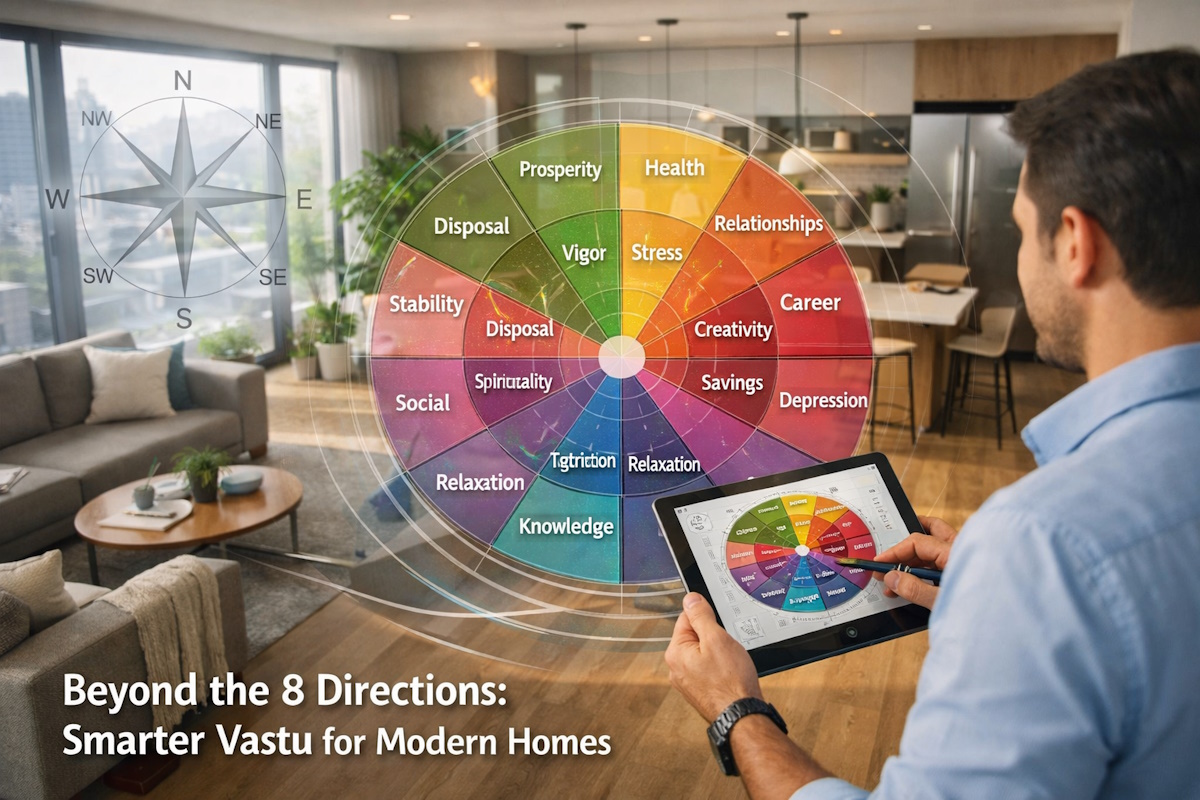
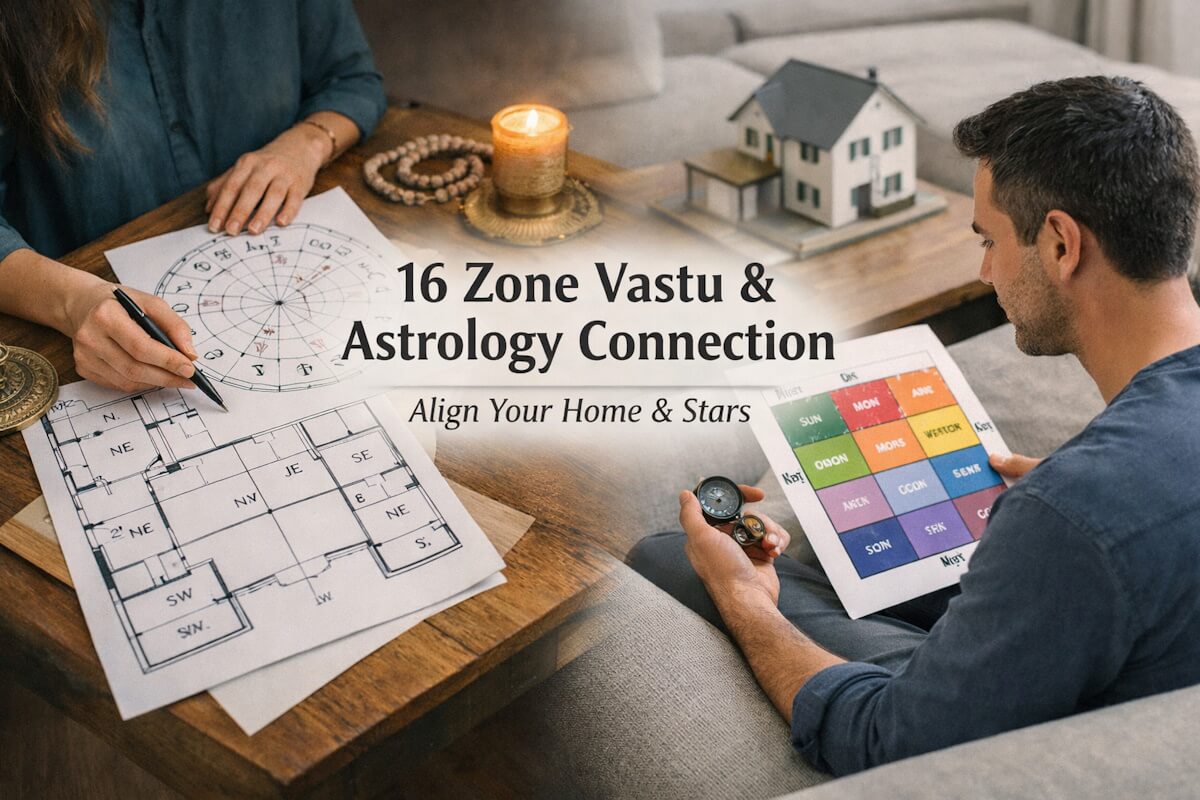
16 Zone Vastu divides a home into sixteen directional zones, not just the common eight. Each zone is linked to specific life areas like income flow, stability, health, focus, relationships, and mental peace.
In theory, it sounds strict. In real homes, especially rentals, it’s more flexible than people assume.
The zones don’t demand reconstruction. They respond to usage, weight, cleanliness, light, movement, and intention. That’s why renters still get results when they stop treating Vastu like a construction-only system.
You don’t need perfection. You need awareness.
The First Reality Check for Rental Homes
Before touching any zone, you need to accept three truths.
One. You can’t correct structural Vastu defects fully in a rental. That’s fine.
Two. Most rental homes already have mixed Vastu conditions. No house is all wrong.
Three. Small corrections repeated daily matter more than dramatic fixes you can’t maintain.
If someone tells you 16 Zone Vastu is useless unless you own the home, they don’t understand how people actually live.
How to Identify the 16 Zones in a Rental Apartment
This part scares people, but it shouldn’t.
You don’t need a complicated compass ritual. Use a reliable compass app or a physical compass. Stand in the center of the home, not the living room corner, not near metal objects.
Once directions are clear, divide the home into sixteen equal slices. Yes, some zones may fall partially inside walls, balconies, or toilets. That’s normal in apartments.
The mistake renters make is ignoring zones that fall in awkward places. Even partial zones influence outcomes.
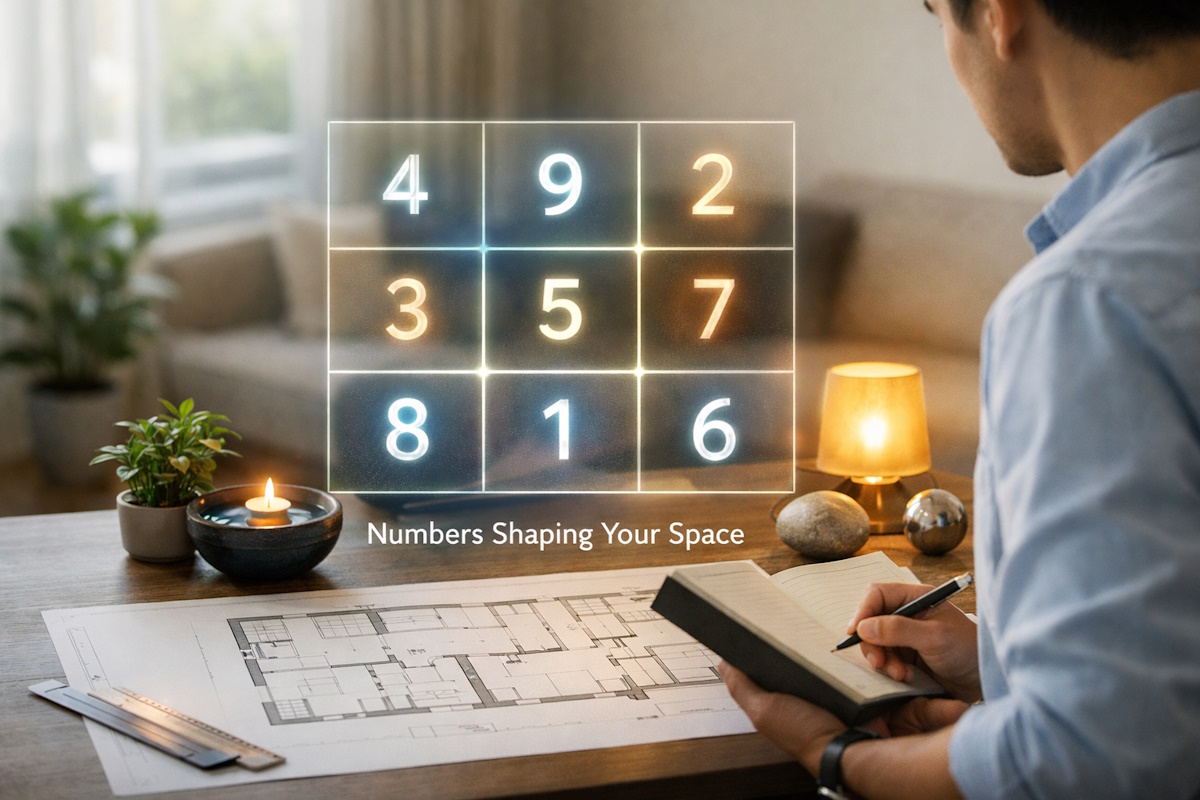
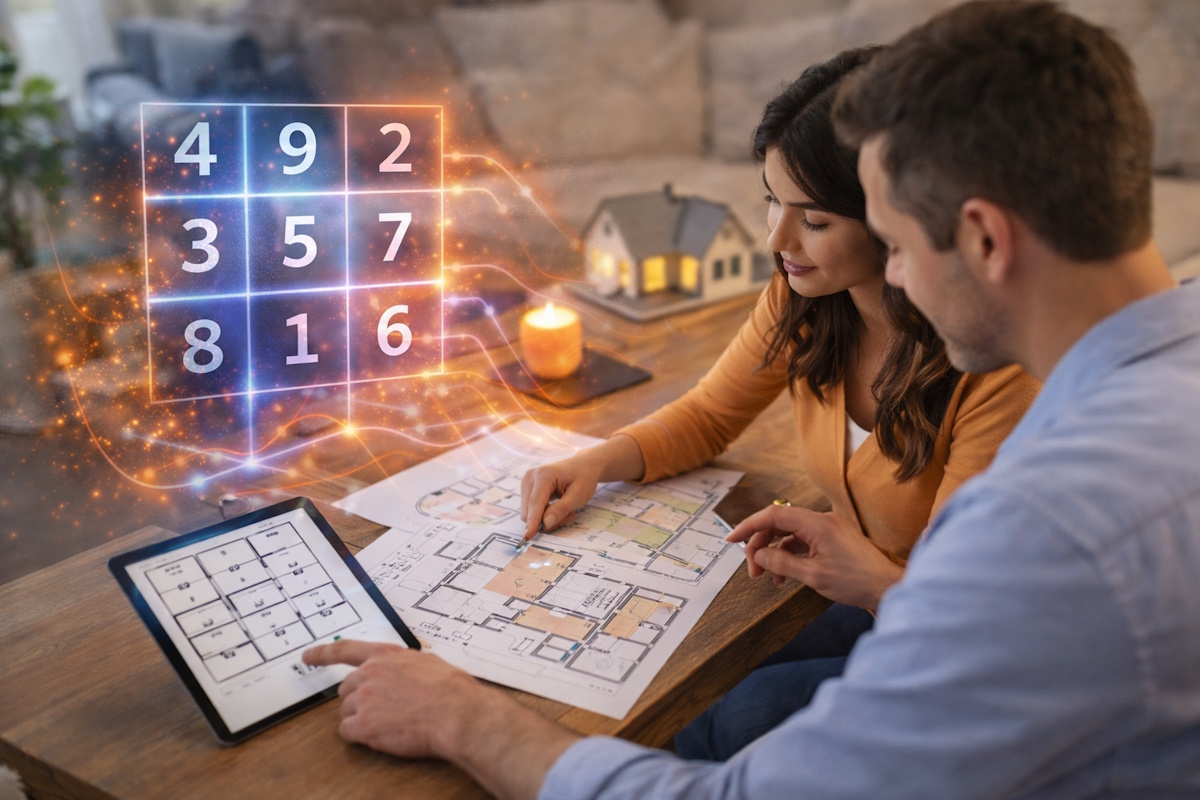
Mark the zones lightly on a printed floor plan or even mentally. That’s enough.
Zones Renters Can Actively Improve Without Structural Changes
Let’s talk about what you can actually control.
North and North-North-East Zones
These zones affect income flow, opportunities, and clarity in decisions.
In rental homes, these areas often become storage corners or junk spots. That’s the worst use.
Keep these zones light. Fewer heavy items. Avoid stacking unused boxes. Let air and light move.
If the landlord allows, use lighter wall shades. If not, work with lighting. Even a clean white bulb helps.
People often report smoother work communication after fixing just this zone. Not miracles. Just fewer blocks.
East and East-North-East Zones
This zone relates to mental peace, sleep quality, and how settled you feel in the house.
In rentals, this area often holds shoe racks or random furniture. Try shifting shoes away from this zone if possible.
Avoid clutter here. Avoid dark curtains. Morning light matters.
If the zone includes part of a bathroom, keep it extra clean and dry. Small habits matter more here than objects.
South-East and East-South-East Zones
This is the fire zone. It affects digestion, arguments, and emotional reactions.
You can’t shift the kitchen in a rental. But you can control behavior and placement inside it.
Use the stove regularly. Don’t let it sit unused. Keep the burners clean. Avoid placing water-heavy items directly next to the stove if space allows.
If this zone is a bedroom, avoid red or aggressive colors. Keep electronics limited.
Many tenants complain about constant irritation without knowing why. This zone is often the reason.
South and South-South-West Zones
These zones relate to strength, stability, and how supported you feel.
In rental apartments, this area often feels heavy already. That’s not always bad.
Use heavier furniture here if you have options. Beds, wardrobes, sofas fit better in these zones.
Avoid mirrors facing beds in these areas. It unsettles sleep.
If this zone includes a toilet, focus on maintenance. Leaks here affect mental pressure over time.
West and West-North-West Zones
This area connects to movement, guests, travel, and restlessness.
In rentals, this zone often becomes the guest bedroom or TV area. That’s fine.
Avoid overloading it with storage. Keep movement easy.
If your sleep feels disturbed or plans keep changing, check if this zone is blocked or cluttered.
Light furniture and flexibility suit this zone better.
North-West and North-North-West Zones
This zone affects networking, support from others, and emotional balance.
Renters often ignore this area completely. They shouldn’t.
If this zone is a bedroom, avoid heavy headboards. If it’s a living area, avoid unused furniture.
Good ventilation here reduces emotional heaviness. Open windows regularly if possible.
Zones Where Renters Should Be Extra Careful
Not all zones are equal in a rental.
Brahmasthan or Center of the Home
You can’t rebuild it. But you can keep it open.
Avoid heavy furniture at the exact center. Avoid clutter. Avoid dust accumulation.
Even small apartments have a center point. Respect it.
People who clear this area often notice a subtle mental shift. Less stuck feeling.
Toilets in Sensitive Zones
If a toilet falls in North-East, East, or center zones, don’t panic.
You can’t move it. What you can do is manage hygiene, dryness, and usage.
Keep doors closed. Fix leaks immediately. Use exhaust fans.
Avoid placing trash bins inside sensitive zone toilets if possible.
These steps won’t erase the defect, but they soften the impact.
What Not to Do in Rental Homes
This matters.
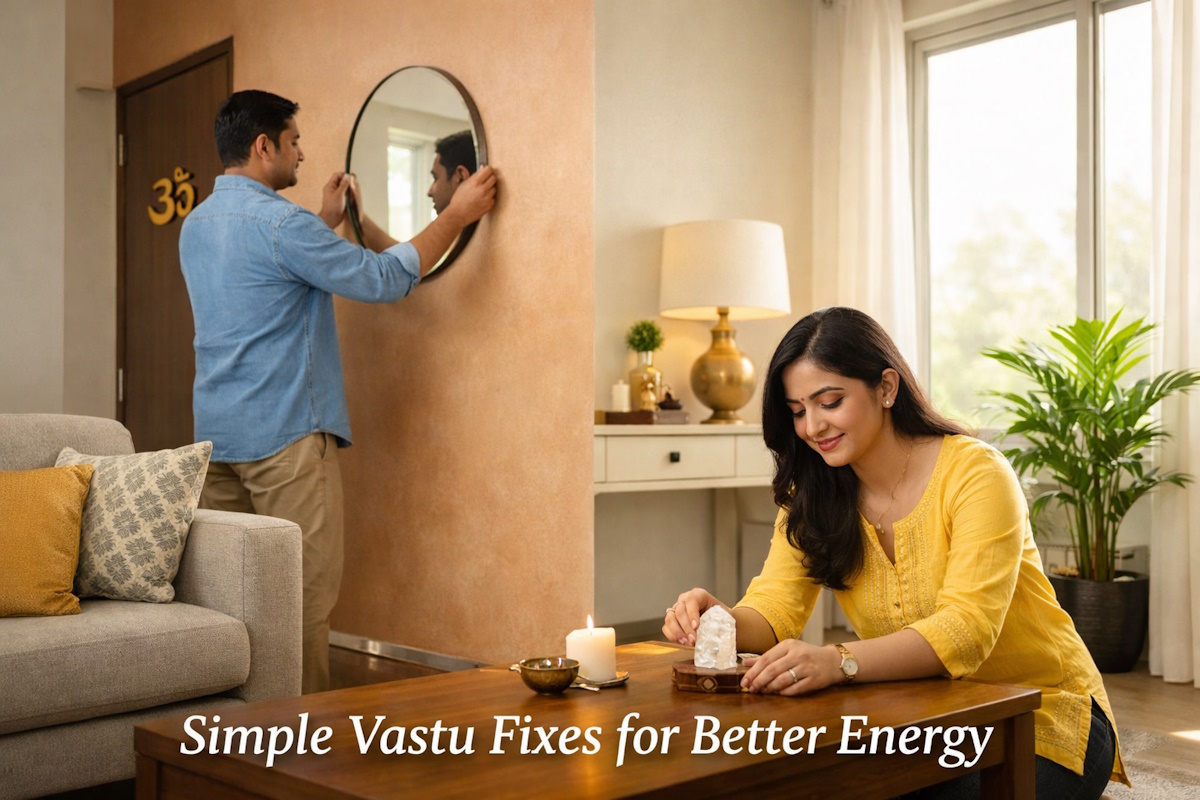
Don’t drill walls for heavy remedies unless the owner allows it.
Don’t use aggressive Vastu products that create fear.
Don’t obsess over minor deviations you can’t change.
Don’t chase perfect alignment. Rental living is about balance, not control.
Many people quit Vastu because they try to force it in rentals. That’s the wrong approach.
Furniture Placement Is the Renter’s Biggest Tool
You might not own the walls, but you own how you live inside them.
Beds, desks, dining tables, and sofas influence zones more than people think.
Sleeping with your head supported by the South or West wall helps stability.
Working desks placed facing North or East support focus and flow.
Avoid blocking doors with furniture. Energy needs movement.
You don’t need new furniture. You need smarter placement.
Colors and Lighting as Silent Corrections
Paint may not be allowed. Lighting usually is.
Warm light in South and West zones. Neutral or cooler light in North and East zones.
Avoid overly dim spaces. Darkness creates stagnation.
Use table lamps if ceiling changes aren’t allowed.
Curtains matter. Heavy curtains in wrong zones create weight where it’s not needed.
Does 16 Zone Vastu Work for Short-Term Rentals?
Yes, but with adjusted expectations.
If you’re in a place for six months or less, focus on sleep zones, kitchen zone, and center.
Don’t overcorrect.
If you’re staying longer than a year, deeper alignment makes sense.
Vastu responds to routine. The longer you stay, the more noticeable the effects.
What About Fully Furnished Rentals?
Fully furnished rentals come with fixed furniture layouts. Still workable.
You may not move big items, but you can adjust how you use spaces.
Change usage instead of furniture. A reading corner becomes storage. A cluttered desk becomes clear.
Usage defines zones as much as walls do.
Common Myths Renters Believe
One myth is that renters shouldn’t bother with Vastu at all. False.
Another myth is that remedies must be visible. Also false.
The most powerful changes are behavioral. Cleanliness, order, light, and consistency.
People who quietly follow these see better results than those chasing remedies.
When 16 Zone Vastu Might Not Be Enough
Be honest with yourself.
If a rental has multiple toilets in sensitive zones, blocked light, and no ventilation, Vastu can only soften the experience.
It won’t turn a stressful layout into a dream home.
In such cases, awareness helps you plan your next move better.
Sometimes the real value of Vastu is knowing when not to settle long-term.
Investors and Realtors Take Note
If you manage rental properties, understanding 16 Zone Vastu helps with tenant retention.
Small adjustments before renting out make a difference.
Clearing the center, improving light, fixing leaks, and mindful furniture placement improve how tenants feel.
People may not say it’s because of Vastu. They’ll just say the place feels better.
That’s enough.
Final Thoughts You Can Actually Use
You don’t need ownership to benefit from 16 Zone Vastu.
You need observation.
You need consistency.
You need patience.
Rental homes respond to subtle care. They don’t demand perfection.
If you’re living somewhere right now, start with one zone. Clean it. Light it. Use it better.
Watch how life inside the house responds.
Then decide your next step.