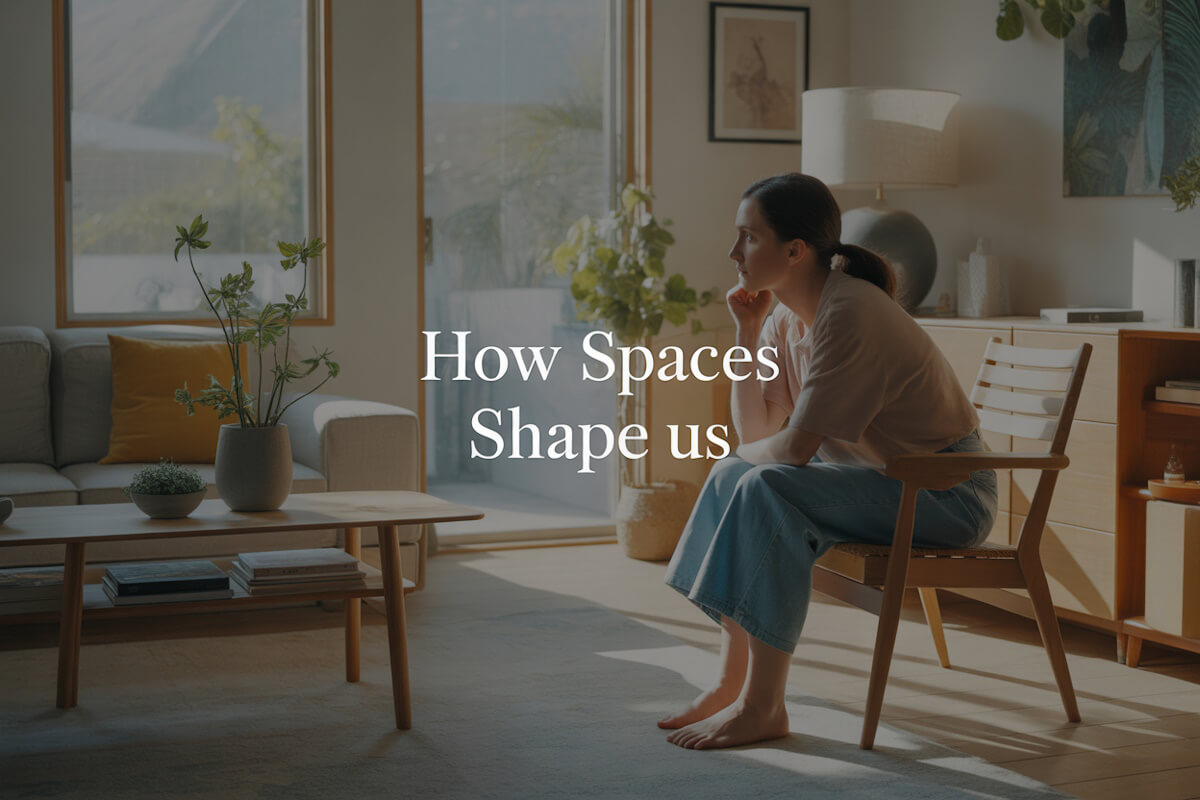
Vastu has been discussed for generations, but a lot of people still wonder why certain layouts feel good and others drain their energy. Environmental psychology helps answer that question. When you look at both together, you begin to see how the way a home or workplace is planned shapes mood, sleep, stress levels, productivity, and even how people interact with each other. This isn’t about mystical claims. It’s about real patterns you can observe in apartments, suburban homes, condos, and commercial buildings.
You probably know the feeling of walking into a room and sensing that something is off. Maybe the furniture feels cramped or you never use a certain corner because it seems dead. That’s where Vastu and environmental psychology overlap. Both try to understand how physical spaces affect people. When you combine them, you get practical guidance you can actually use.
Why Spatial Design Impacts Daily Life
People spend most of their time indoors. The layout of a bedroom, the location of the kitchen, the height of a ceiling, or how sunlight falls in a room shapes your behavior even when you don’t realize it. Environmental psychology studies this through research on human response to space. Vastu gives a structured set of spatial rules that were shaped by centuries of observation.
Both point toward a simple truth: space influences how you think and how your body reacts.
If a room feels heavy or cluttered, your stress level climbs. If you sit with your back to a door for hours at work, your mind stays slightly on guard. If your bedroom faces nonstop traffic noise, your sleep suffers. These are all real, measurable effects.
The goal isn’t perfection. It’s creating small wins in the layout you already have.
The Role of Direction and Orientation
Vastu places a lot of weight on directions. Environmental psychology doesn’t follow compass rules, but it does support the idea that orientation matters. Sunlight exposure, airflow, and the direction of movement inside a room shape energy levels.
North and East – natural light and mental clarity
Rooms open to the north or east usually get softer morning light. This helps regulate circadian rhythm, supports calmer mornings, and keeps spaces fresh. Many people use these directions for workspaces or living rooms because the light helps them stay alert without strain.
If you’ve ever tried working in a dark room, you know how quickly fatigue creeps in. Natural light cuts that down.
South and West – heat, intensity, and higher activity
South and west facing rooms get stronger afternoon light. This may warm up the space more than you want, especially in smaller apartments or condos with large windows. Still, these directions work well for rooms where movement and activity happen. Gyms, family rooms, and kids rooms often feel fine here.
The key is managing heat and glare. Shades, lighter wall paint, and airflow can balance the stronger energy.
Why orientation affects mood
Your body reacts to temperature shifts, brightness levels, and the direction from which light enters. This changes hormone levels, productivity, and emotional stability. Vastu points toward similar effects, just described in older terminology. When you follow these ideas with a practical mindset, the results are noticeable within a few weeks.
Entryways, Flow, and Movement Patterns
Every home has movement patterns. You walk through certain areas every day without thinking. If those paths are cramped, blocked, or dark, your stress rises slightly each time you pass through. Environmental psychology studies this as circulation and spatial comfort. Vastu talks about smooth flow.
Why open entry spaces matter
Your entry sets the tone for your entire home. People feel more grounded when the entrance:
- has enough light
- lets you move without bumping into furniture
- isn’t cluttered with shoes or random items
When the entry feels tight or messy, people carry that feeling into the rest of the home. You may not think about it, but your brain does.
Long corridors and sharp turns
Many apartments have long hallways that feel lifeless. Environmental psychology shows that narrow, elongated spaces can raise discomfort because they restrict peripheral vision. Vastu also flags long corridors as spaces that need balancing.
A few adjustments help:
- indirect lighting
- art or textures
- plants in wider sections
The goal is to break monotony and add warmth so the corridor stops feeling like a tunnel.
Light, Color, and Sensory Comfort
Light and color hit the brain quickly. Environmental psychology has plenty of research about how different wavelengths affect mood. Vastu doesn’t talk about color scientifically, but it does emphasize calming and supportive tones for specific rooms.
Natural light reduces stress
Sunlight triggers serotonin production. It also keeps your sleep cycle on track. Rooms with zero sunlight tend to feel dull, no matter how well furnished. If you live in a basement unit or a north-facing home with limited windows, mirrors and reflective surfaces can bounce available light around.
Artificial lighting shapes behavior
Bright white lighting works for kitchens and workspaces because it boosts alertness. Warm light works better for bedrooms and lounges because it signals the body to slow down. Good lighting design often solves mood dips faster than big renovations.
Colors and emotional load
You don’t need strict color rules. Just pick tones that match the purpose of the space. Bedrooms do better with softer colors. Kitchens can handle energetic tones. Offices often need balanced color so they don’t overstimulate you.
Color affects your breathing pattern, heart rate, and mental focus. Even small adjustments, like changing curtains or bedding, shift the atmosphere of a room.
Clutter, Visual Noise, and Cognitive Load
Clutter affects your mind whether you admit it or not. Environmental psychology calls it cognitive load. Vastu talks about stuck energy. Both describe the same phenomenon.
When a room is overcrowded with furniture, unnecessary décor, or stacks of items, your mind struggles to relax. You process every object even if you don’t focus on it. People who live in smaller apartments feel this more because there’s limited space to store things.
A clean room isn’t about perfection. It’s about giving your mind fewer things to process.
Clutter in bedrooms
This impacts sleep directly. A messy bedroom keeps your mind semi-alert. Even piles of clothes or overcrowded nightstands contribute to unintentional stress.
Clutter in kitchens
This affects appetite and decision-making. A chaotic kitchen often leads to skipping home-cooked meals or avoiding the space entirely.
Reducing clutter gives immediate relief. Sometimes moving one cabinet or removing unused décor changes the whole feel.
The Psychology of Corners, Edges, and Spatial Pressure
People rarely talk about corners, but they affect mood. Sharp corners pointed toward seating areas create subtle tension. Tight corners in bedrooms or home offices can create pressure that you feel physically.
Vastu suggests avoiding sleeping or working directly in front of pointed edges. Environmental psychology supports this with studies on threat perception and visual stress.
If you can’t change the furniture arrangement, softening the area with plants, round tables, or fabric pieces helps.
Bedrooms and Mental Health
Bedrooms matter more than any other room. Both Vastu and environmental psychology place heavy focus here because your brain needs a stable sleep environment.
Bed placement
Placing the bed with a solid wall behind your head gives a sense of safety. Lying with your head under a window or directly in line with the door often leads to lighter sleep. Your brain stays slightly aware of movement behind or beside you.
Electronics and overstimulation
Screens keep your mind active. Too much blue light at night disrupts melatonin production. Small changes like dimmer lamps, warm bulbs, or putting your phone across the room can steady your sleep cycle.
Ventilation
Stale air affects oxygen levels and sleep depth. Even in winter, a few minutes of fresh air makes a big difference.
Kitchens and Emotional Stability
Kitchens influence family mood and eating habits. Vastu considers the kitchen a fire zone. Environmental psychology views it as a sensory-heavy space where heat, smell, and movement interact.
Cooking direction and comfort
Facing a solid wall while cooking usually feels stable. Facing open doorways or crowded areas can feel distracting. Good ventilation removes smoke and heat that otherwise cause irritability.
Storage and clarity
Open shelves look nice in photos but often create visual overload. Closed cabinets keep the space calmer. When items are easy to find, cooking becomes a smoother activity instead of a chore.
Workspaces and Productivity
With the rise of home offices, people are paying more attention to where they sit during long hours. Vastu suggests facing east or north for work. Environmental psychology focuses on daylight, seated posture, and visibility of the entrance.
What actually matters for focus
- You should see the door without sitting directly in its path
- You need a stable wall behind the chair
- The desk should sit in an area with steady light
- Avoid working in bedrooms if you can
People feel more confident and less anxious when they can see who enters a room. When your back faces a doorway, your nervous system keeps scanning for movement behind you.
Noise levels and mental fatigue
Constant background noise wears you down. A rug, curtains, or acoustic panels help soften echo in small rooms, especially condos with harder surfaces.
Living Rooms and Social Behavior
Living rooms are where families spend time together. The way furniture is arranged affects interaction. Environmental psychology studies seating patterns and how they shape conversation. Vastu supports layouts that encourage comfortable eye contact and movement.
Rounded layouts feel more inviting
If all seats face one direction, the room feels like a waiting area. When seating is arranged in a loose circle or semi circle, people talk more naturally. This doesn’t mean you need expensive chairs. Even repositioning a couch slightly can change the dynamic.
TV placement and overstimulation
A TV directly opposite the main sofa keeps attention locked on the screen instead of people. Mounting it a bit off center or using a smaller screen often helps reduce overstimulation.
Bathrooms and Energy Drain
Bathrooms are usually small zones. Environmental psychology doesn’t talk about them much, but Vastu views them as areas that can create emotional heaviness if poorly designed.
Lighting and ventilation
Dim or damp bathrooms drain energy fast. A small change like adding a brighter light or improving airflow reduces that feeling. If you live in a windowless apartment bathroom, an exhaust fan and regular fresh air circulation make a noticeable difference.
Door and fixture position
Even if you can’t move plumbing, keeping the bathroom door closed helps contain humidity and smell. This also helps bedrooms next to bathrooms feel calmer.
Children’s Rooms and Behavioral Impact
Kids react to space even more strongly than adults. Their rooms need clarity, not perfection.
A few things help:
- Keep the bed in a stable corner
- Add enough open floor space for movement
- Use colors that feel playful without overstimulating
- Keep study desks away from the bed if possible
Kids concentrate better when their study area faces a clean wall. Too many decorations around the desk can distract them.
Environmental Stressors Most People Ignore
You might think your space is fine, but small stressors build up. Environmental psychology studies micro stressors that your brain registers even when you don’t notice them.
Noise leakage
Thin walls, upstairs footsteps, hallway echoes, street noise – these chip away at mental calm. Sound absorbing materials help more than people expect.
Temperature inconsistencies
Rooms that swing between cold and warm create physical stress. A consistent temperature keeps your body in a steadier state.
Scent and air quality
Found in both Vastu and psychology research, smell influences mood quickly. Musty corners, old carpets, and cooking odors that stick around affect comfort. Air purifiers, regular cleaning, and light ventilation fix this.
Simple Adjustments That Improve Mood Fast
You don’t need renovations to feel better in your home. Start with small steps.
- Improve lighting
- Reduce clutter
- Shift the bed to a stable wall
- Bring in fresh air daily
- Add plants for visual softness
- Reposition seating for natural interaction
- Use lighter curtains if the room feels stuffy
Each step calms the mind a bit more. The combined effect is strong.
How Vastu and Environmental Psychology Work Together
Vastu gives directional guidance and spatial rules. Environmental psychology explains why those rules matter on a biological level. When you use both, you end up with a home or office that supports your daily rhythms instead of working against them.
You don’t need to follow every Vastu rule strictly. You simply adjust the space so it feels stable, well lit, comfortable to move through, and easy to breathe in. These changes boost mood, sleep, health, and productivity over time.
Spaces have a silent influence on how you feel. When you design with awareness, that influence becomes a positive force.
If you want, I can also create a room by room Vastu and environmental psychology guide tailored to your home layout.