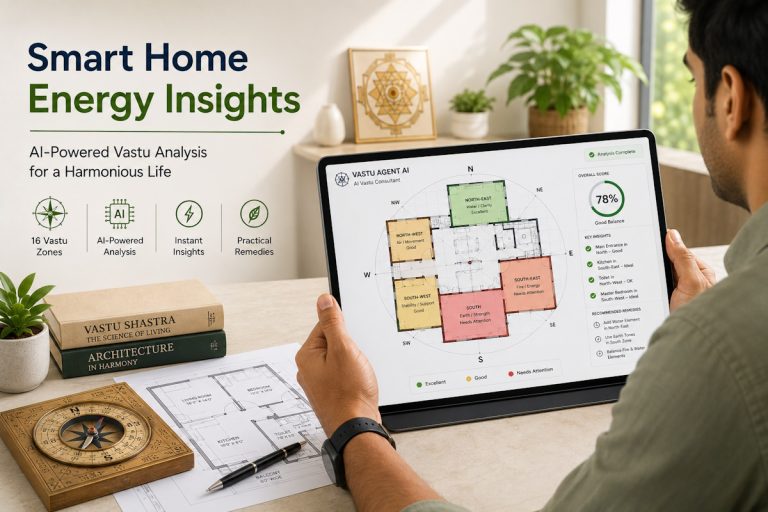
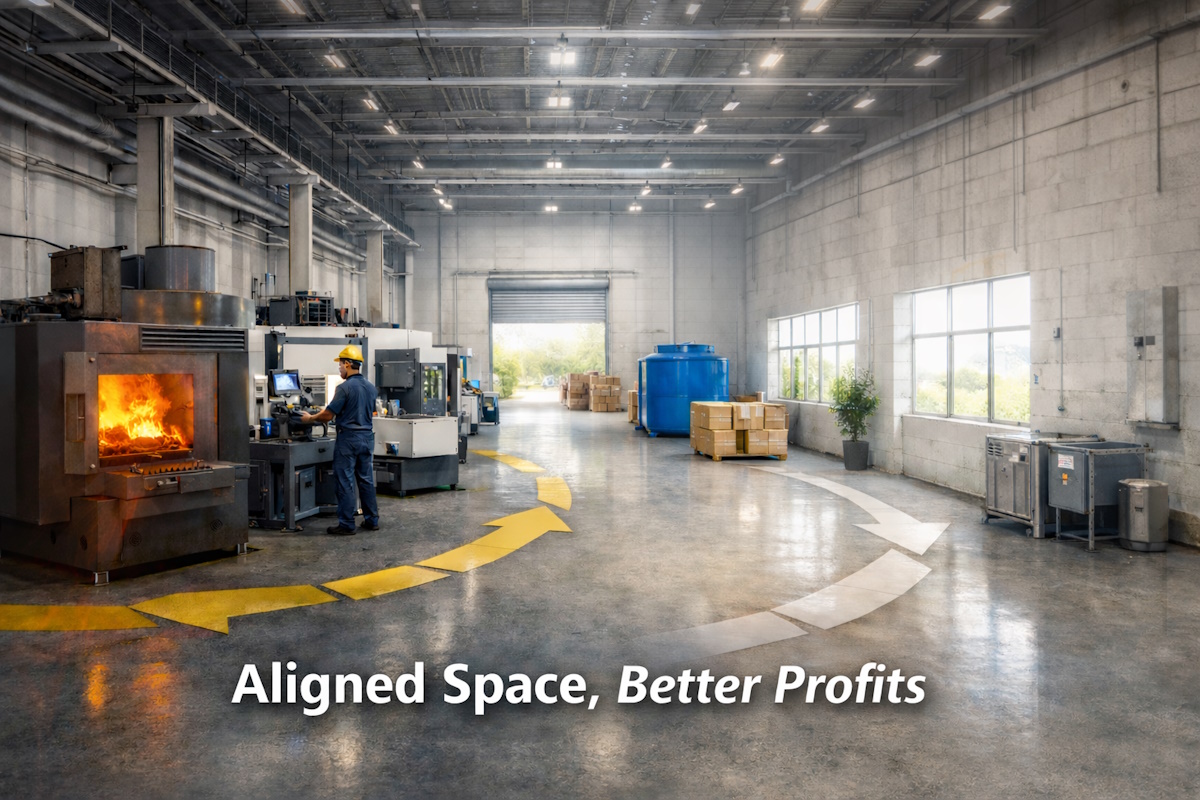
In the high-stakes world of industrial manufacturing, the difference between a thriving enterprise and a struggling facility often lies in the subtle flow of energy across the shop floor. While modern engineering focuses on lean manufacturing and logistical efficiency, many factory owners overlook the invisible spatial dynamics that dictate productivity, machine uptime, and financial liquidity. Industrial spaces are complex ecosystems where heavy machinery, human labor, and raw materials must coexist in a synchronized rhythm. When this rhythm is disrupted by a poor spatial layout, the results manifest as frequent breakdowns, labor disputes, and stagnant inventory.
Factory Vastu is the ancient science of aligning industrial environments with the natural laws of energy to ensure peak performance. Unlike residential Vastu, which prioritizes peace and relaxation, industrial Vastu focuses on the activation of Earth, Fire, and Air elements to drive transformation and output. A well-aligned factory does not just produce goods; it generates a sustainable flow of wealth by removing the energetic friction that causes delays and losses. Understanding how to audit and correct your facility layout is the first step toward reclaiming your competitive edge in the global market.
The Science of Industrial Energy Alignment
The core principle of Factory Vastu is the management of the five elements or Mahabhutas. In an industrial context, these elements take on physical forms: Fire represents furnaces and boilers, Water represents cooling towers and effluent treatment plants, and Earth represents the massive weight of heavy machinery. When these elements are placed in conflicting directions, the spatial energy becomes chaotic. For instance, placing a high-heat furnace in the North, which is the zone of Water, creates an elemental clash that often results in equipment failure or financial instability.
Balancing the Five Elements in Manufacturing
Every manufacturing unit operates through a cycle of transformation. Raw materials (Earth) are processed using energy (Fire and Air) and often cooled or cleaned (Water) before being shipped out (Space/Air). Factory Vastu ensures that each stage of this transformation happens in the zone that naturally supports that specific element. By aligning the industrial process with the cardinal directions, a facility can minimize waste and maximize the quality of the finished product. You can learn more about these alignments at Vastu Consult where we bridge the gap between traditional wisdom and modern industrial needs.
The Role of the South-East (Agni) Zone
The South-East is the quadrant of Fire. In a factory, this is the ideal location for electrical panels, generators, boilers, and any machinery that generates significant heat. When the fire element is balanced here, it fuels the production process and ensures that orders are completed on time. If the fire element is misplaced in the North-East, it can lead to accidents or severe litigation issues that drain the company’s resources.
The North-East (Ishanya) and Water Elements
The North-East is the most sensitive zone of any industrial plot. It should be kept light, clean, and open to allow the flow of positive energy. This is the ideal location for underground water tanks or borewells. Obstructing this zone with heavy scrap or massive structures can lead to a lack of vision in management and a slow decline in market demand for the factory’s products.
Optimizing the Production Flow with Factory Vastu
A logical production flow is essential for operational efficiency. In Factory Vastu, the movement of goods from raw material to finished product should ideally follow a clockwise direction. This ensures that the energy of the space supports the forward momentum of the business. Starting the process in the South-West and moving toward the North-East or North-West creates a cycle of growth that prevents the accumulation of dead stock.
Strategic Placement of Heavy Machinery
The weight distribution in a factory significantly impacts the stability of the business. Heavy machinery should always be positioned in the South, West, or South-West zones. These directions are governed by the Earth element, which can support massive loads. Placing heavy equipment in the North or East can create a “heavy head” for the property, leading to constant repairs and the inability of the management to make clear financial decisions.
South-West for Stability
The South-West corner is the anchor of the factory. By placing the heaviest tools and machines here, you ensure the longevity of the equipment. This zone also influences the skill and retention of your workforce. A balanced South-West prevents frequent labor turnover and ensures that the craftsmanship of the factory remains consistently high.
Impact on Machine Lifespan
When machines are placed in Vastu-compliant zones, the vibration levels and mechanical stress appear to stabilize. This is because the magnetic alignment of the Earth’s field interacts with the metal and electricity of the machines. While this may sound esoteric, many industrialist clients of Vastu Consult report a noticeable drop in maintenance costs after repositioning their primary production lines.
Ensuring Worker Safety and Productivity
A factory is only as productive as the people who operate it. Poor Factory Vastu often correlates with a high rate of workplace accidents, low morale, and frequent absenteeism. The human element requires a specific energy balance to remain focused and energized during long shifts. The placement of worker amenities like the canteen, toilets, and rest areas plays a vital role in the overall health of the industrial unit.
Directional Alignment for Staff Areas
The canteen or kitchen area should ideally be in the South-East, aligning with the fire element. Toilets, which represent the disposal of waste energy, should be placed in the West-North-West or South-South-West zones to ensure that negative energy does not permeate the production floor. Placing toilets in the North-East is a major Vastu dosha that can lead to chronic health issues for the staff and poor decision making by supervisors.
Keeping Labor Energized and Focused
The orientation of the workers while they are at their stations is also a factor. Ideally, workers should face North or East while performing their tasks. This orientation helps in maintaining focus and reduces fatigue. Facing South for long periods can lead to irritation and conflict among the staff. By adjusting the seating or standing positions, a factory manager can subtly improve the harmony and speed of the production line.
Managing a large workforce requires more than just HR policies; it requires an environment that supports human well-being. If you are facing persistent labor challenges, consider how your factory’s layout might be contributing to the friction.
Financial Stability and the North-East Quadrant
Wealth flow in a factory is governed by the North and North-East zones. The North is the direction of Kuber, the lord of wealth, and it dictates the inflow of new orders and cash liquidity. If the North is blocked by heavy walls, toilets, or junk, the factory may have a high production capacity but will struggle with payments and market reach. Keeping the North open and vibrant is the key to maintaining a healthy balance sheet.
Administrative Office Placement
The administrative block and the owner’s office should be strategically placed to command the energy of the entire facility. The owner or the CEO should ideally sit in the South-West corner, facing North or East. This “command position” allows for better control over the organization and ensures that the leadership remains grounded. Placing the main office in the North-East is generally avoided for the owner as it can make them too focused on spiritual or creative pursuits rather than the hard numbers of the business.
The Entrance and Finished Goods
The main entrance of the factory should be in a positive pada (module) of the North or East. This ensures that the energy entering the premises is auspicious and conducive to growth. Similarly, the finished goods warehouse should be located in the North-West. This zone is governed by the Air element, which facilitates the quick movement and sale of inventory. Finished products stored in the South-West may sit for long periods, leading to capital blockage.
Common Vastu Doshas in Factories and Their Remedies
Many factories are built on irregular plots or face architectural constraints that prevent a perfect Vastu layout. These are known as Vastu doshas. However, modern Vastu science offers practical, non-demolition remedies to mitigate these issues. Whether it is a slope in the wrong direction or a wrongly placed main gate, corrections can be made using elemental balancers, colors, and metal strips.
Managing Slope and Drainage Issues
The slope of the factory land should always be toward the North or East. A slope toward the South or West is considered a major defect that can lead to financial drain and legal troubles. If your land slopes the wrong way, this can be corrected by raising the floor levels in the South or by using specific energy-balancing techniques that redirect the flow of the land’s energy. Insights into these corrections are available through our services at Vastu Consult.
Correcting Wrong Main Gate Placement
If the main entrance is in a negative zone, it can act as a leak for the factory’s prosperity. Instead of relocating the massive gates, which is often impossible, Vastu experts use symbolic and elemental barriers to “neutralize” the negative entrance and “virtually” create a positive one. This approach ensures that the business can still thrive without undergoing expensive structural changes.
Strategic Decision Making for Industrial Real Estate
When selecting a new plot for a factory or moving into a pre-built industrial shed, the Vastu of the site should be a primary consideration alongside logistical factors. A site with a “Sher Mukhi” (lion-faced) shape, where the front is wider than the back, is generally considered excellent for commercial use but must be handled carefully for industrial production. Conversely, a “Gaumukhi” (cow-faced) plot is better suited for residential purposes than for a heavy manufacturing unit.
Evaluating the history of the land and the surrounding environment is also crucial. For example, a factory located at the end of a T-junction may face aggressive energy that can lead to internal strife or sudden closures. By performing a thorough Factory Vastu analysis before purchase, investors and business owners can avoid “sick units” and ensure that their capital is placed in a location that naturally supports expansion.
Ultimately, a factory is a machine for creating wealth. Just as you would not run a machine with misaligned gears, you should not run a business in a misaligned space. Vastu provides the blueprint for that alignment, ensuring that your manufacturing unit operates at its highest potential, providing safety for your workers and consistent profits for your stakeholders.
FAQs
1. What is the best direction for the main entrance of a factory?
The best directions for a factory entrance are the North, East, or North-East. These directions allow for the inflow of positive, growth-oriented energy. However, the specific “pada” or division within these directions must be calculated to ensure the most auspicious entry point for wealth flow.
2. Can I fix Vastu issues without breaking my factory walls?
Yes, modern Vastu science focuses on non-invasive remedies. By using metal strips, specific colors, elemental balancers, and strategic relocation of movable equipment, most Vastu doshas can be effectively mitigated without any structural demolition or production downtime.
3. Where should the scrap yard be located in a factory?
The scrap yard or waste disposal area should be located in the South-West or North-West zones. It is critical to keep the North-East and East areas clear of scrap, as clutter in these zones can block the flow of new opportunities and cause mental stress for the management.
4. How does Vastu impact the lifespan of my machinery?
Machinery placed in the South-West zone (Earth element) tends to have higher stability and lower vibration-related wear. This directional alignment harmonizes with the Earth’s magnetic field, which can subtly reduce the mechanical stress on heavy components over time.
5. Is it necessary to have the owner’s office in the South-West?
While the South-West is the ideal “command position” for the owner to ensure authority and stability, it is not the only option. Depending on the owner’s specific role—whether they are focused on sales, operations, or R&D—other zones can be activated, provided the primary Vastu rules for the desk orientation are followed.