
People hear “16 Zone Vastu” and either panic or dismiss it in one breath. Some think it is a rigid rulebook that only works for old bungalows. Others feel it is too complex to apply in apartments. Both reactions come from half-baked ideas floating around online and in casual advice circles.
If you own a home, are buying one, or work with properties, these myths can quietly push you into wrong decisions. This article breaks down the most common misunderstandings about 16 Zone Vastu and explains what actually matters when you are dealing with real homes, real layouts, and real constraints.
No theory overload. Just clarity.
Myth 1: 16 Zone Vastu Is Only for Large Independent Houses
This is probably the biggest misconception.
People assume that dividing a plot into 16 zones only makes sense when you have a big villa or a ground-level house. If you live in an apartment, they think the system does not apply.
The truth is simpler. The 16 zones are based on directional energy patterns, not land size. Whether your home is 450 square feet or 4,500 square feet, directions still exist. North is north even on the 18th floor.
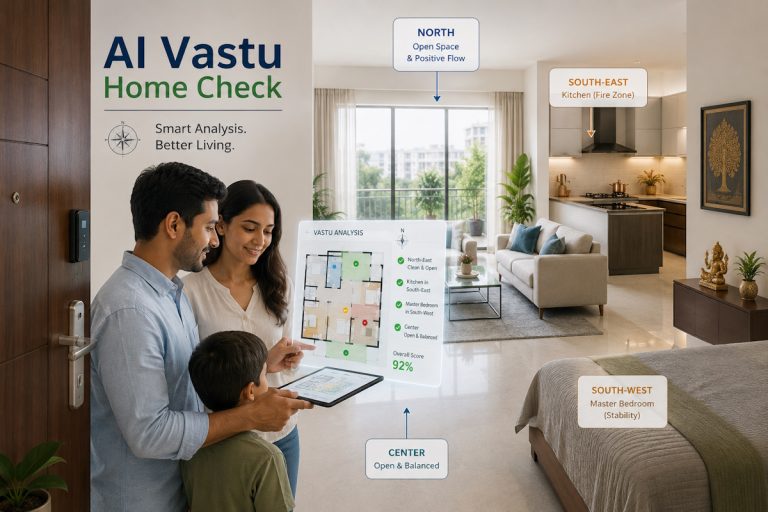
In apartments, you work with what you have. The zones adjust proportionally. You are not expected to carve out new walls or redesign the building. You observe where the kitchen falls, where the master bedroom sits, how the entrance behaves, and how the toilet placement interacts with its zone.
If 16 Zone Vastu were only for large houses, it would have vanished decades ago. Urban living made it adapt.
Myth 2: Every Zone Must Be Perfect or the House Is Bad
This myth causes unnecessary fear.
Some homeowners believe that if even one zone is off, the entire house becomes unusable. They start thinking about selling, demolishing, or doing extreme renovations.
That is not how Vastu works in real life.
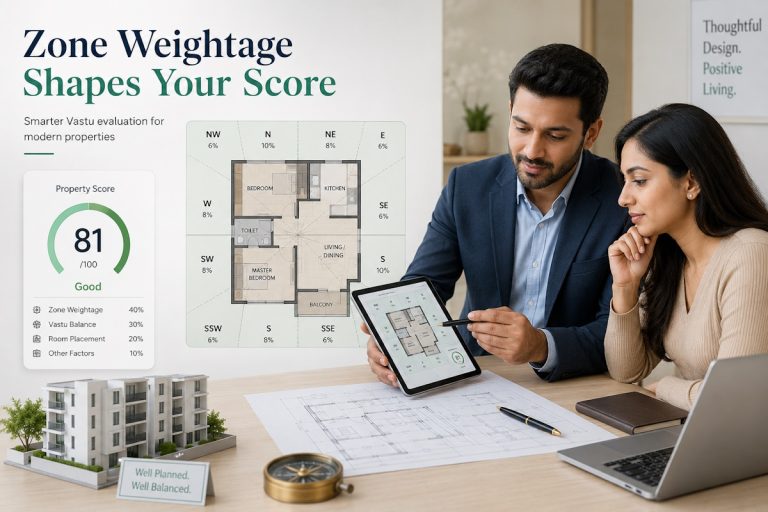
In a 16 Zone approach, zones carry different weight based on usage, frequency, and personal priorities. A slightly weak secondary zone does not cancel out strong primary zones like the entrance, kitchen, or master bedroom.
You look at dominance, not perfection. You ask practical questions. Where do you spend most of your time? Which rooms affect sleep, health, or finances directly? Which zones are already balanced through usage or furniture placement?
Homes are living spaces, not diagrams. Balance matters more than textbook symmetry.
Myth 3: 16 Zone Vastu Means Fixed Functions Only
Many people think each zone has one fixed use, and if you break that rule, trouble follows.
For example, they hear statements like “this zone must only be for storage” or “that zone cannot have any water element ever.” These rigid ideas usually come from oversimplified charts.
In real homes, zones interact with lifestyle. A zone might support multiple functions if handled thoughtfully. A study corner can work inside a bedroom. A small prayer shelf can exist in a living room. A utility area can coexist near a kitchen if proportions and cleanliness are managed.
16 Zone Vastu is about compatibility, not blind restriction. It helps you choose better placements within your layout instead of forcing impossible standards.
Myth 4: Apartments Cannot Be Corrected Through 16 Zone Vastu
This belief stops many apartment owners from even trying.
They assume that since structural changes are limited, Vastu has no role. That is not true. Structural correction is only one layer.
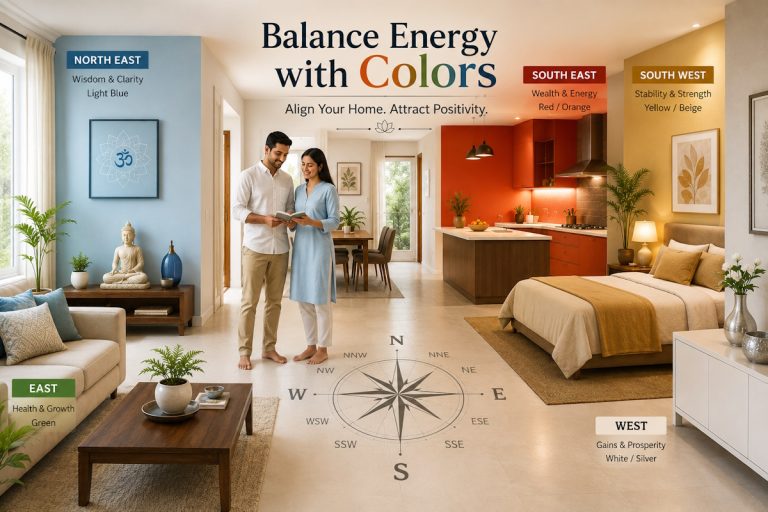
In apartments, correction happens through usage, furniture placement, color choices, lighting balance, and activity alignment. Even the way you sleep or work within a room can strengthen or weaken a zone.
For example, shifting the bed orientation, adjusting the stove position within the kitchen platform, or rethinking storage placement can bring noticeable changes without touching walls.
16 Zone Vastu adapts to apartment realities. It does not fight them.
Myth 5: More Zones Mean More Complications
Sixteen zones sound overwhelming at first. People feel eight directions were already enough. Why complicate it?
The irony is that the 16 zone system actually reduces confusion once you understand it properly. It breaks broad directions into clearer sub-zones. This helps explain why two homes facing the same direction can feel completely different.
Without 16 zones, people rely on vague advice. With it, patterns start making sense. You can pinpoint why a workspace feels draining or why a bedroom never feels restful.
Clarity is not the same as complexity. When applied calmly, the system becomes easier to work with than generic direction rules.
Myth 6: 16 Zone Vastu Is Only About Directions
Directions are the framework, not the whole picture.
Another common misunderstanding is that as long as you know north, south, east, and west, you have done your part. People forget that zones also respond to elements, movement, light, and daily activity.
A zone that is directionally correct but cluttered, dark, or misused can still underperform. On the flip side, a slightly off-direction area that is clean, active, and well-lit can function better than expected.
16 Zone Vastu looks at how you live inside the space. It does not stop at compass readings.
Myth 7: You Must Follow It Exactly as Per Old Texts
There is a belief that Vastu must be followed exactly as written centuries ago, or else it loses meaning.
That approach ignores how homes have changed. High-rise buildings, open kitchens, combined living-dining areas, and compact bedrooms were not common earlier. Applying old rules without interpretation creates stress.
Modern 16 Zone Vastu focuses on principles, not rigid instructions. The intent behind a zone matters more than literal placement. Fire-related activities still need control. Rest zones still need calm. Work zones still need clarity.
The structure changes. The logic stays.
Myth 8: 16 Zone Vastu Is Only About Problems
Most people approach Vastu when something goes wrong. Health issues, money blocks, constant arguments. That creates the impression that 16 Zone Vastu is only about fixing damage.
In reality, it works best as a planning and fine-tuning tool. When used during buying, renting, or renovating, it helps you choose spaces that support your goals instead of draining energy over time.
Even small adjustments can create smoother routines, better sleep, and clearer focus. You do not need a crisis to use Vastu intelligently.
Myth 9: All Zones Are Equally Powerful
This is a subtle misunderstanding.
While all zones matter, their impact varies based on usage. A rarely used storage zone does not influence your life the same way a bedroom or kitchen does. Treating all zones as equally critical leads to misplaced effort.
16 Zone Vastu helps you prioritize. You focus first on the zones that shape daily habits. Then you fine-tune the rest when possible.
This approach keeps things realistic and prevents overwhelm.
Myth 10: A Vastu Defect Means Guaranteed Negative Outcomes
Fear-based advice sells quickly. People are told that a single defect will cause losses, illness, or constant struggle.
Life is more layered than that.
Homes interact with personal effort, lifestyle, mindset, and external conditions. Vastu influences your environment, not your destiny. A weaker zone might create friction or delay, not disaster.
Understanding 16 Zone Vastu gives you awareness, not anxiety. It allows you to respond calmly instead of reacting emotionally.
Myth 11: You Need Expensive Remedies for Every Zone Issue
Many homeowners believe that correcting zones requires costly objects, heavy rituals, or constant spending.
That belief benefits sellers, not residents.
In practice, many zone corrections are about removal rather than addition. Removing clutter. Reducing excess weight. Shifting daily activity. Improving airflow. Changing lighting. Reassigning room usage slightly.
When remedies are used, they should support the space, not dominate it. Subtle changes often work better than dramatic ones.
Myth 12: 16 Zone Vastu Is Only for Homeowners
Renters often feel left out of the conversation.
They think since they do not own the place, Vastu does not apply. This is another myth that limits people unnecessarily.
As a renter, you still sleep, cook, work, and relax in the space. Those activities interact with zones regardless of ownership. You can still adjust furniture, choose how you use rooms, and create balance within your control.
Temporary stay does not mean temporary impact. Your body and mind respond to space every day.
Myth 13: One Chart Works for All Homes
Many people rely on generic zone charts downloaded online. They assume one layout fits all.
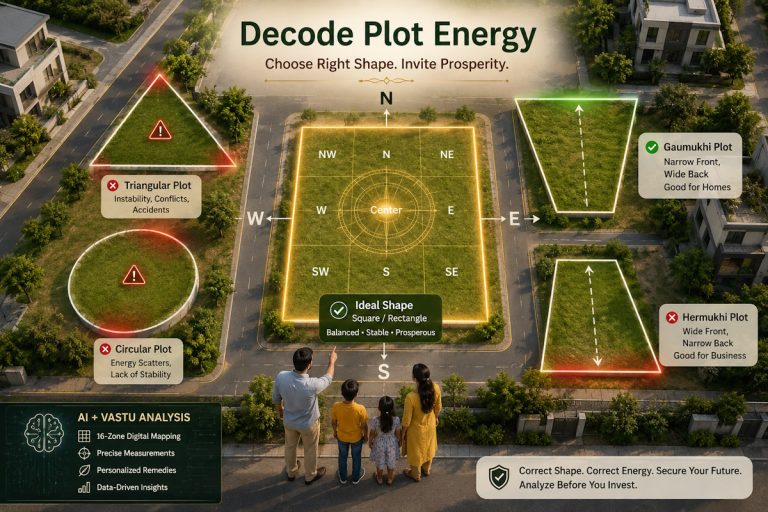
Every home has its own shape, cut, extensions, and missing corners. Applying a generic chart without context can create confusion. What works in a rectangular plot may not translate directly to an L-shaped apartment.
16 Zone Vastu requires interpretation, not copy-paste rules. You read the space first, then apply principles accordingly.
Myth 14: Open Layouts Break 16 Zone Vastu
Open floor plans often scare people who follow Vastu. They think without walls, zones collapse.
In reality, zones exist even without physical boundaries. Furniture placement, ceiling design, lighting zones, and activity patterns define energy areas.
An open kitchen-living space can still respect zone logic through thoughtful layout. You work with invisible boundaries rather than walls.
Modern homes demand flexible thinking. Vastu keeps up when applied sensibly.
Myth 15: 16 Zone Vastu Is Only Spiritual
Some dismiss Vastu as purely spiritual and unrelated to daily comfort.
That ignores how closely it connects to practical living. Ventilation affects health. Light affects mood. Sleep direction affects rest. Kitchen placement affects routine and safety.
16 Zone Vastu organizes these practical concerns into a directional framework. You do not need belief to benefit from better spatial planning.
Myth 16: If the Entrance Is Good, Nothing Else Matters
A good entrance helps, but it is not a magic shield.
People sometimes assume that once the main door aligns well, the rest of the house does not matter. This leads to neglect of internal zones.
A balanced home works as a system. Entrance sets the tone. Interiors sustain it. Ignoring internal imbalances eventually shows up in daily life.
How to Use 16 Zone Vastu Without Overthinking
The biggest takeaway is simple. Use 16 Zone Vastu as a guide, not a rulebook carved in stone.
Start with awareness. Observe how you feel in different rooms. Notice which areas feel heavy or neglected. Make small shifts. Track changes over time.
You do not need to fix everything at once. Homes evolve, and so should your approach.
Why Letting Go of These Myths Matters
Believing these myths either scares people away from Vastu or pushes them into extreme decisions. Neither helps.
When you understand 16 Zone Vastu realistically, it becomes a tool for better living, not a source of pressure. It helps you work with your home instead of fighting it.
If you are buying, it helps you choose wisely. If you already live there, it helps you adjust calmly. If you are a professional, it helps you guide clients with clarity.
That is where clarity beats superstition.
If you want to start applying 16 Zone Vastu properly, begin by unlearning these myths. The rest becomes much easier once fear steps aside.