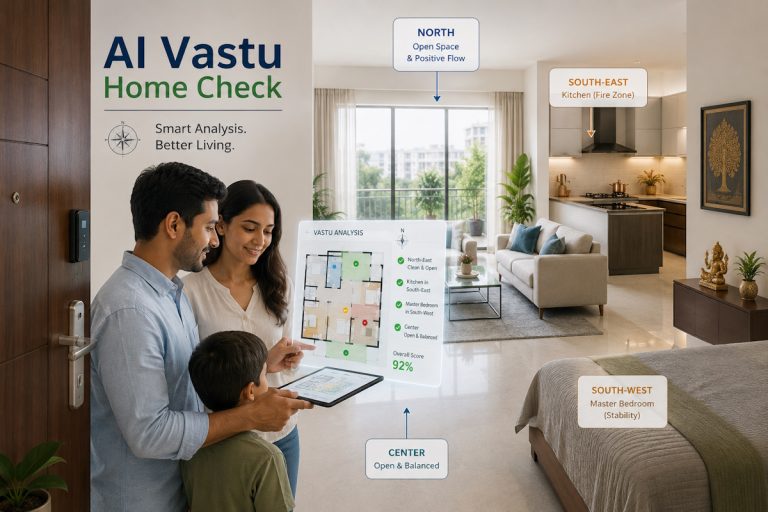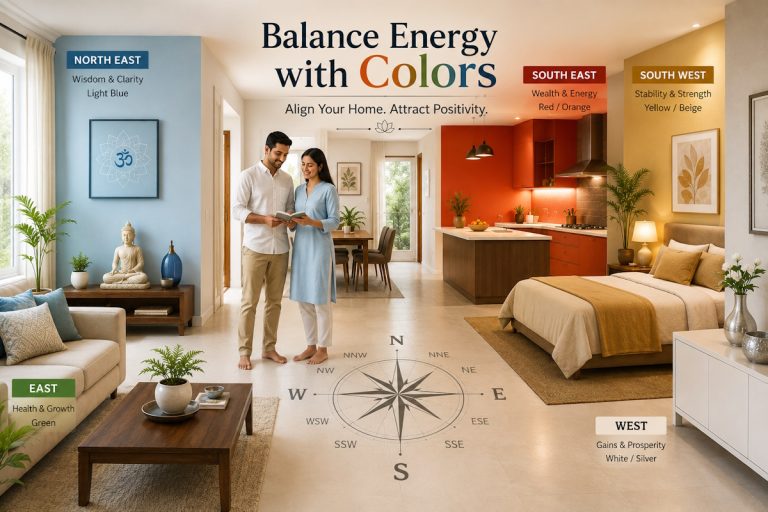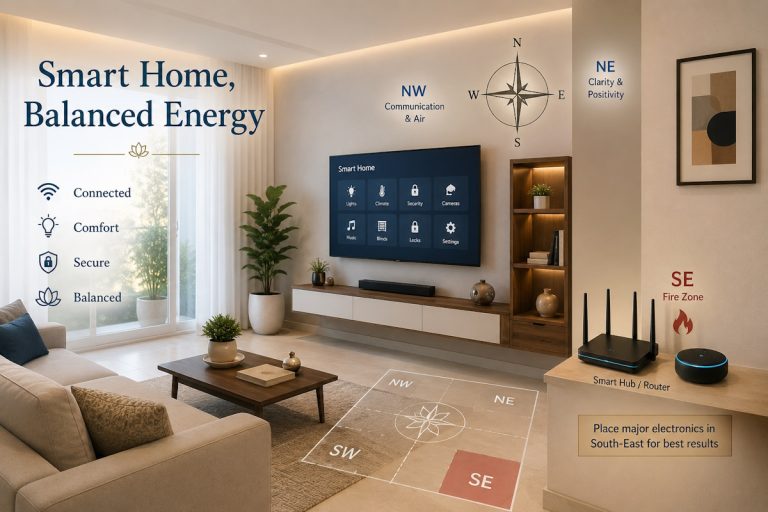

When people talk about office Vastu, most stop at directions like north or south. That’s surface-level thinking. Real office Vastu works deeper. It looks at how energy moves through 16 specific zones inside a workspace and how each zone quietly influences money flow, decision-making, staff behavior, and long-term stability.
If you run a business, manage property, design offices, or invest in commercial spaces, these zones matter more than fancy interiors. They show up in everyday issues like delayed payments, team conflicts, leadership fatigue, and sudden growth that doesn’t last.
This guide walks you through the 16 Vastu zones in a practical way. No rituals. No mysticism. Just how real offices work and what you should check.
Why 16 Zones Matter in Office Vastu
A workplace is not just four walls and desks. Energy divides the space into sixteen parts, each with a role. Some zones push growth. Some protect stability. Some control cash. Some affect people.
Ignoring even one weak zone can slow things down without obvious reasons. You might work harder, hire better people, upgrade systems, yet feel stuck.
That’s usually a zone problem.
Most modern offices already have these zones. You don’t need a new building. You need awareness and smart adjustments.
Let’s break them down.
1. North Zone – Income and Opportunities
The north zone drives cash inflow and new opportunities. This zone decides how easily money enters your business.
If this area feels heavy, cluttered, or blocked, payments tend to delay. Clients hesitate. Leads dry up.
Best use:
Keep it open, light, and active. Accounts teams, sales desks, or billing areas work well here. Glass partitions help.
Avoid:
Storage, junk, dark colors, broken furniture.
If your business struggles with cash flow despite sales, check this zone first.
2. North-Northeast Zone – Expansion and Visibility
This zone supports expansion, branding, and market reach. It affects how visible your business feels to the outside world.
Best use:
Marketing teams, reception overflow, brainstorming spaces.
Avoid:
Toilets, heavy cabinets, or server racks.
Weakness here shows up as slow brand growth or low recall, even when marketing budgets look fine.
3. Northeast Zone – Clarity and Decision-Making
This is the most sensitive zone in any office. It controls clarity, ethics, and long-term direction.
When this zone is disturbed, leadership feels confused. Decisions take longer. Trust issues appear.
Best use:
Prayer room, meditation corner, or simply open space. Senior leadership seating works if the zone is clean and calm.
Avoid:
Pantry, toilets, clutter, or electrical overload.
Many offices with sudden internal politics issues usually have a disturbed northeast.
4. East-Northeast Zone – Innovation and Fresh Ideas
This zone influences new ideas and adaptability.
Best use:
Design teams, research desks, innovation cells.
Avoid:
Storage or stagnant setups.
If your business feels repetitive or outdated, this zone needs attention.
5. East Zone – Growth and Daily Momentum
The east zone controls daily progress and steady growth.
Best use:
Employee seating, meeting rooms, collaborative spaces.
Avoid:
High partitions blocking sunlight.
When teams feel active in the morning but dull by afternoon, check lighting and layout here.
6. East-Southeast Zone – Communication and Marketing Execution
This zone supports communication, digital outreach, and execution of plans.
Best use:
Digital marketing teams, call centers, CRM desks.
Avoid:
Water elements or toilets.
Misuse shows up as miscommunication, delayed campaigns, or messaging errors.
7. Southeast Zone – Finance, Fire, and Aggression
The southeast is the fire zone. It rules expenses, cash handling, and intensity.
Best use:
Accounts department, finance teams, pantry, electrical rooms.
Avoid:
CEO cabins or calm meeting rooms.
If expenses rise faster than income, this zone often holds the answer.
8. South-Southeast Zone – Legal and Compliance Pressure
This zone influences legal matters, compliance stress, and hidden conflicts.
Best use:
Documentation storage, compliance teams.
Avoid:
Reception or open seating.
Frequent notices, audits, or legal delays often point here.
9. South Zone – Stability and Reputation
The south zone defines reputation and public image.
Best use:
Awards display, brand story walls, senior management cabins.
Avoid:
Open entrances or heavy water features.
If your business feels respected but not trusted, this zone needs balance.
10. South-Southwest Zone – Control and Risk Management
This zone deals with control over operations and risk handling.
Best use:
Operations heads, project management teams.
Avoid:
Loose seating or constant movement.
Weakness here causes project delays and missed deadlines.
11. Southwest Zone – Ownership and Long-Term Stability
This is the backbone of the office. It governs ownership strength, authority, and stability.
Best use:
Owner’s cabin, founders’ office, strong storage.
Avoid:
Toilets, pantries, or temporary seating.
If leadership feels shaky or partners clash, the southwest is usually disturbed.
12. West-Southwest Zone – Retention and Loyalty
This zone affects employee retention and loyalty.
Best use:
HR departments, counseling rooms.
Avoid:
High noise zones.
High attrition without obvious HR issues often traces back here.
13. West Zone – Gains and Results
The west zone controls profits, results, and delayed gains.
Best use:
Meeting rooms, review rooms, performance tracking.
Avoid:
Blocked walls or unused space.
If results come but with delays, this zone likely needs correction.
14. West-Northwest Zone – Clients and Networking
This zone influences client relationships and external support.
Best use:
Client meeting rooms, networking lounges.
Avoid:
Owner seating.
Frequent client drop-offs or stalled deals often point here.
15. Northwest Zone – Movement and Staff Turnover
The northwest controls movement, travel, and staff changes.
Best use:
Sales teams, recruitment desks.
Avoid:
Finance or stability roles.
High staff churn can sometimes be corrected by simple layout changes here.
16. Center Zone – Balance and Overall Health
The center holds everything together. When it’s blocked, the entire office feels off.
Best use:
Open space, reception overflow, movement area.
Avoid:
Heavy furniture, pillars clutter, storage.
A blocked center creates confusion, stress, and lack of coordination.
How These Zones Impact Growth Together
Office Vastu is not about fixing one zone and waiting for magic. Growth happens when zones work together.
For example:
- A strong north brings money. A weak southwest leaks it.
- A clean northeast gives clarity. A disturbed southeast burns cash.
- An active northwest brings clients. A blocked west delays results.
This is why some offices grow fast and crash. Others grow slowly but stay stable.
Common Office Mistakes That Hurt Multiple Zones
Modern offices unknowingly create Vastu problems.
Glass cabins everywhere weaken control zones.
Heavy storage in random corners blocks growth zones.
Pantries placed wherever plumbing allows damage fire and water balance.
CEO cabins placed for view instead of stability cause authority issues.
These mistakes don’t show immediate damage. They build pressure quietly.
Can You Apply This in High-Rise Offices?
Yes. Vastu works inside the unit, not the building height.
You don’t control the tower. You control your floor plan.
Even leased offices can adjust seating, partitions, lighting, and activity zones.
Small shifts matter.
What to Prioritize If You Can’t Fix Everything
Start with:
- Northeast for clarity.
- North for cash flow.
- Southwest for stability.
- Center for balance.
These four zones alone solve most business pain points.
Final Thought for Business Owners
Your office already tells a story. About control. About chaos. About growth. About stagnation.
The 16 zones are not abstract ideas. They show up in everyday business struggles and wins.
Before blaming the market, staff, or timing, look at your space. It might be quietly shaping your results.
If you’re serious about long-term stability, office Vastu is not optional. It’s practical awareness.
Walk your office today. Observe each zone. You’ll notice things you never questioned before.
That’s where real change begins.