Retail spaces shift fast. One month you see a constant crowd, the next month things feel slow. Many store owners start tweaking product ranges, pricing, or ad campaigns, but the way your physical space works often affects footfall more than you expect. Layout choices shape how customers move, what they notice, and how long they stay. This is where Vastu for Retail Stores gives a steady framework you can use without turning your shop into a construction site.
This guide walks you through practical placement decisions that fit modern retail settings. You might be running a clothing boutique in a high-rise commercial tower, a small grocery store in a suburban plaza, a jewelry showroom, or a beauty supply outlet in a mixed-use building. The principles stay usable across all of these.
Let’s break it down in a way that actually helps you set up the space you already have.
Why store direction and entry matter
If people aren’t stepping inside, you can’t convert. Pretty simple. In many older markets, retailers kept careful track of which streets or openings invited steady traffic. Those observations eventually shaped directional rules you still hear today.
Shops with entries in the north or east tend to feel open and easy. Customers instinctively walk in without feeling pressure. Storefronts facing these sides usually get better natural light, and that vibe helps a visitor browse longer. If your building locks you into a fixed direction, you still have ways to improve things with lighting, signage, and interior placement.
The entry should stay clutter free. Keep it bright. Keep the display near the door simple enough to pull people closer instead of overwhelming them. A clean entrance sets the tone for the entire visit.
Flow inside the store shapes buying behavior
Every store has dead corners. You probably already know which parts people avoid. Maybe the aisle feels tight or the lighting dips. Traffic patterns in retail can go strange when fixtures break natural sightlines.
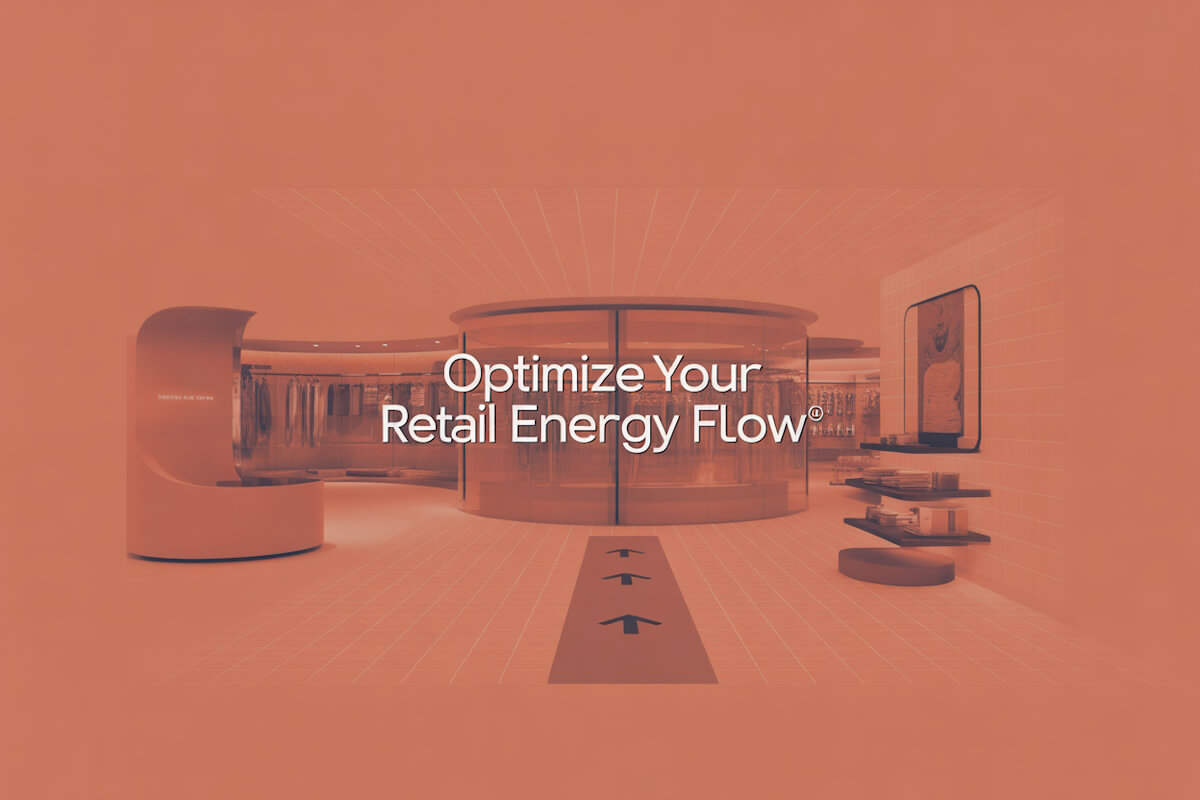
Look at your floor plan and trace the most natural route from the main door. If that path pushes customers right away to the billing counter or exit, you lose browsing time. If the path turns too sharply, people hesitate. You want a smooth movement pattern that loops through key categories without forcing them.
When you apply Vastu for Retail Stores to flow, you focus on guiding energy and movement in a steady clockwise or semi-circular pattern. It’s a simple way to reduce bottlenecks. Avoid blocking the walkways with promo racks. Heavy fixtures stop movement and customers skip entire sections.
The goal is a layout where people wander without effort. Some of them will even return to an earlier section simply because the walk feels natural.
Product placement by direction
Product placement can make or break revenue. You know how some shelves always sell better than others even if the products stay similar. Directional zones give you a structure to arrange categories logically.
North zone
Good for cash flow related items. Accessories, kids items, low commitment products. People pick these quickly and they work well near the front.
East zone
Good for health items, wellness, personal care, and anything that needs clarity or trust. The morning light in east-facing stores can also highlight these products in a natural way.
South zone
Place heavier or premium stock here. Electronics, furniture pieces, luxury clothing, or anything that carries higher pricing. Many retailers report better conversion when heavier products stay in the southern end because customers explore them after already settling into the store.
West zone
This side suits storage racks, footwear, and categories that customers compare before buying. People take more time in this section, so give them space. Avoid crowding the west side with impulse products, since it slows checkout behavior.
These guidelines feel small, but they keep your displays balanced. A balanced layout means customers interact with more categories instead of sticking to one aisle.
Designing the billing area
The billing area often sits wherever the builder placed electrical and data points. That’s fine, but small adjustments can help you collect more sales without feeling pushy.
Many stores do better when the counter sits in the south or southwest section. It gives the staff a firm and steady spot from which they oversee the full store. When staff can see clearly, theft and confusion drop. It also builds subtle authority which works well in busy retail settings.
Keep the counter sturdy and simple. Avoid placing it near the entrance. A counter right at the door creates a barrier. Shoppers might feel watched or rushed before they even look around.
Make sure the POS machine, cash drawers, and inventory screens stay organized on the back side of the counter. Clutter builds stress for staff which trickles into customer interactions.
Lighting choices change how customers feel
Many retail stores over-light the entire space, creating flat brightness that exhausts people. Others use dim lighting that kills product appeal. You need a mix.
Try layering the lights. Use bright lights near the entrance, warmer and softer lights in the middle, and focused accent lights for premium sections. Avoid dark corners because they make products look forgotten.
Vastu supports balanced lighting across directions. North and east zones can stay lighter and airy. South and west zones take slightly warmer tones. If your store has no windows or depends only on artificial lighting, vary the intensity so customers experience subtle shifts while moving through the space.
You’ll notice they stop more often in well-lit zones.
Mirrors, storage, and unused corners
Some retail layouts include awkward nooks you can’t eliminate. Instead of ignoring them, use them smartly.
Mirrors can expand the feeling of space. They work best in the north or east side. Mirrors on the south or west side can create a heavy or tense look, particularly if placed behind the billing counter. Keep mirrors away from the cash drawer.
Storage should sit toward the southwest or west side. Heavy boxes, inventory back stock, sealed cartons, and seasonal items can all go there. Keeping storage weight in these zones brings stability to the operations of the store.
If you have an unused corner, place a clean display plant or a small signage stand. Avoid dumping random things into that corner. Customers read clutter as carelessness.
Exterior signage and storefront design
Retail begins on the outside. Your signage should look clear and visible from a distance. Use lighting that stays consistent after sunset. Avoid placing signboards that tilt in odd angles because people read instability from that.
If the storefront faces the south, use deeper tones or layered lighting to balance the heat-heavy side. North and east facing shops can use brighter colors without strain. Try not to place cracked or faded boards outside. These details influence whether someone chooses to walk in or keep walking.
Your entrance floor should stay level. Even small bumps and slopes affect walk-ins. If your shop sits inside a mall, keep entrance mats clean and straight.
How shelving decisions influence conversions
Shelves placed too high overwhelm people. Shelves placed too low go unnoticed. The sweet spot sits at chest level for most customers. Heavier stock can stay lower, while lightweight stock goes mid or high.
Metal shelves suit the west and south sections. Wooden shelves feel comfortable in the north and east sections. If your store uses only one type, keep the arrangement symmetrical to avoid uneven weight distribution.
Avoid sharp corners hitting walkways. Soften the edges or shift the rack slightly. Customers avoid areas where they feel cramped or might bump into something.
If you rearrange shelves seasonally, stick to the same directional ideas so your store maintains balance.
Seating for customers
Not every retail store needs seating, but some benefit from it. Footwear stores, jewelry shops, bridal boutiques, optical stores, and some clothing outlets perform better when customers can sit comfortably.
Try placing seating in the east or north side of the store. Seats in the southwest make the space feel slow. Seats near the entrance block the visibility of incoming customers.
Keep the seating clean and steady. Unstable chairs or torn upholstery create an odd distraction that affects buying decisions.
Staff placement and movement
Your staff forms a huge part of the energy of your store. Their placement matters. Staff should stand or move through the store naturally, not hover near the door or block an aisle.
Training your team to guide customers without pressure keeps things flowing. Staff should ideally station themselves in the south or west zones when they are not actively helping someone. These areas carry a grounded feel that helps avoid scattered interactions.
Break areas or water stations can stay toward the west or northwest side. Avoid putting them near the cash counter or in front of main displays.
Color choices for better customer engagement
Colors affect emotions fast. You can pick your palette based on your branding, but keep directional hints in mind.
- North: light blues, off-whites, cool tones
- East: greens, soft yellows
- South: maroons, deeper tones
- West: grays, metallic shades
Keep your accent colors simple. Too many bright tones confuse the eye. Use your main colors for large fixtures and quieter colors for racks or signage.
If your store already has fixed brand colors, apply these directional ideas through decor accents instead of repainting everything.
Managing cramped retail spaces
Many store owners deal with small or awkward spaces. Maybe your shop sits in a narrow building or you rent a compact unit inside a busy mall.
You can still apply Vastu for Retail Stores even in tight layouts. Here’s how:
- Keep the center as open as possible.
- Hang lighter signage instead of bulky boards.
- Shift stock storage to the back or southwest corner.
- Use vertical storage to keep the floor clean.
- Use mirrors on the north wall to enlarge the feel of the space.
Smaller stores actually benefit more from directional clarity because every inch counts.
Cash drawers, safes, and financial documents
Money handling areas work best in the south or southwest corner of the billing desk. Keep all financial documents neatly stacked. Avoid placing the safe in the north zone.
If your store uses digital payment mostly, still keep the POS machine neat and grounded. A scattered desk affects your pace and that eventually affects customer perception.
How to fix Vastu issues without renovation
Most commercial spaces come with fixed walls and fixed entrances. You probably can’t break anything or move structural elements. That’s okay.
You can make simple adjustments:
- Lighting changes
- Shifting display categories
- Cleaner entry
- Better signage placement
- Rearranging the billing desk angle
- Balanced shelving
- Decluttering heavy corners
- Adding plants in the right zones
These small steps often shift footfall patterns without much cost.
Special tips for mall stores
Mall units have different rules because you share the environment with surrounding shops. People walk with a faster pace. Your window display becomes the real magnet.
- Keep your best sellers near the front.
- Use bright but clean lighting.
- Avoid deep dark colors at the entrance.
- Do not block the sides of the entry with tall racks.
- Place staff slightly inside the store, not right at the front line.
Mall customers step in when the entrance feels open rather than guarded.
Special tips for street-facing shops
Street stores deal with dust, noise, and unpredictable crowds. Keep the entrance clean at all times. Wipe the glass often. A fresh look attracts more walk-ins.
Place impulse products near the middle of the store, not right at the door. Street customers often look for quick buys, but giving them a few steps of walking increases chances of bigger purchases.
Keep the billing area deep inside. People trust stores where the billing feels secure and stable.
Long-term benefits of following Vastu for Retail Stores
When you apply these ideas in your shop, the biggest changes you’ll notice are:
- Footfall feels steadier
- Customers spend more time browsing
- Staff stay more focused
- Storage becomes easier
- Conversion improves naturally
- The store feels calm even on busy days
These results come from directional balance and clear flow, not superstition. You’re organizing space in a way that lines up with human movement patterns.
Final thoughts
Retail depends on small details. The colors you pick, the fixtures you place, the sections you highlight, and even how you light a corner can influence buying behavior. Using Vastu for Retail Stores gives you a grounded set of choices that work in practical environments.
You don’t need perfect alignment or a brand new space. Start with the easiest changes. Clean the entrance. Shift the billing. Balance the weight of shelving. Improve lighting. You’ll feel the difference in how customers move and react.
If you want, I can help you design your exact store layout. Just describe your floor plan, entrance direction, and product categories.