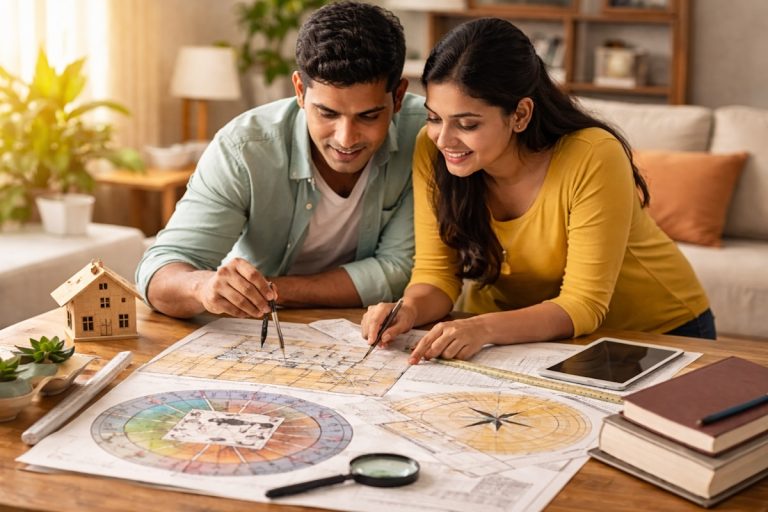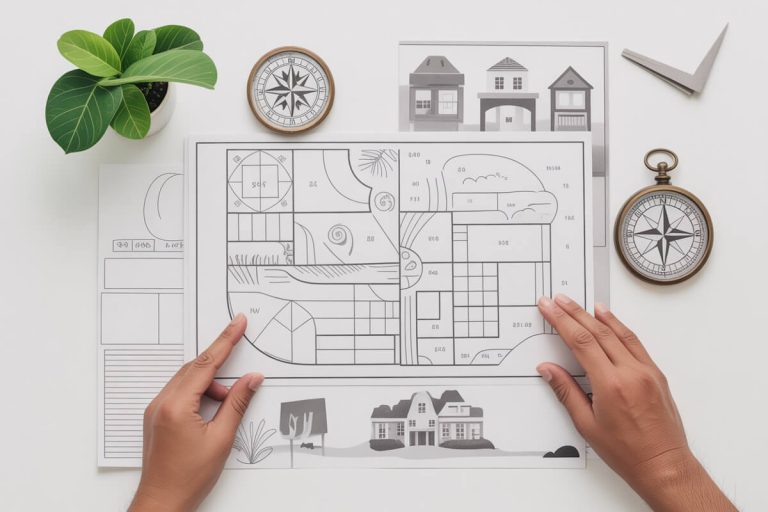
Designing a building that feels comfortable throughout the year takes more than insulation, HVAC work, and smart tech. You look at how the sun moves, how winds shift, and how heat builds up. This is where Vastu steps in with some surprisingly usable guidance. Even in modern construction across the US, Canada, and other countries, many homeowners and architects quietly use these principles because they line up with climate logic.
Vastu is often seen as tradition, but when you strip away ritual talk, what remains is spatial thinking. It looks at how natural forces interact with a structure. When you apply it correctly, it ends up improving thermal comfort, daylight use, cross ventilation, energy load, and even how you move through the home.
This article walks you through how Vastu influences climate-responsive design without fluff. You will see how each direction plays a practical role, where mistakes happen, and what you can do even in tricky apartment layouts.
Understanding Direction Based Behavior in Climate Response
Directional sensitivity sits at the core of Vastu. Each direction carries certain physical qualities. When you link these qualities to heat gain, glare, humidity, and airflow, you start to see a clean logic.
Eastern and northern sides bring softer daylight and a calmer heat profile. Western and southern sides bring heavy solar exposure which ramps up indoor temperature if you don’t plan for it. Homes and buildings react differently in different geographic zones, but the general path of the sun remains universal.
Vastu nudges designers to acknowledge that every orientation has its perks and its problems. In climate-responsive design, ignoring this is where comfort levels fall apart.
The Role of the East and How It Reduces Energy Load
Vastu loves the east for entry zones, windows, and activity spaces. Morning sunlight is mild and boosts natural lighting early in the day without kicking up thermal load. For homes in cooler northern states or Canadian provinces, directing daily life toward the east helps reduce the need for artificial lighting during mornings.
If you place living rooms, family rooms, or workout spaces in the east, you get a natural circadian lift. People feel more alert, and the area warms slowly instead of spiking. This reduces the rush to adjust the thermostat every morning.
In apartments where the east side faces another building and doesn’t get actual sun, the principle still helps. Even indirect eastern exposure offers softer ambient light that keeps the space feeling open. You just need good window sizing and lighter interior finishes to make the most of it.
Northern Orientation and Its Cooling Advantage
North-facing rooms receive consistent, balanced daylight. Architects already know this is preferred for studios, offices, classrooms, and workspaces because it reduces glare. Vastu suggests placing financial zones, important rooms, or long term activity zones here. From a climate standpoint, these are usually spaces where people sit for long hours.
North side heat gain stays low during summer months, especially in the US and Canada where the sun stays higher. This keeps north-facing bedrooms cooler. If you place a home office here, you reduce eye strain without resorting to dark curtains or tinted films.
For high-rise apartments where only one side opens to the north, expanding window height helps. If privacy is an issue, use translucent blinds instead of blackout curtains so you keep the natural light benefit.
Why South and West Need Careful Planning
This is the tricky part. South and west orientations bring intense sun exposure. In warm or mixed climates, these sides can turn into heat traps. Vastu treats these zones with caution for that reason. It often suggests heavier structural elements, storage, or less frequently used rooms on these sides.
When you apply this logic to climate-responsive design, it becomes clear. Bedrooms placed on the southwest corner tend to overheat during summer evenings. Living rooms on the west side suffer from glare around late afternoon. So you’re forced to use blinds, fans, and AC earlier than you want.
This does not mean you avoid using these areas. You just work smarter. Add external shading, deep overhangs, vertical fins, or low solar gain glass. Planting tall trees or using balcony screens also works well.
If you’re stuck with a west-facing apartment, try placing your heavier furniture, bookshelves, or built-in storage against the west wall. This adds thermal mass that slows heat transfer.
South Corner Weight and Its Climate Meaning
One of the well known Vastu points is keeping the southwest weighted or stable. Beyond tradition, this idea has structural and climate benefits. Most buildings benefit from anchoring the southwest with thicker walls, storage, staircases, or closed rooms because this corner receives long hours of sun in many regions.
Heavier construction here reduces heat flow deeper into the home. For homes in desert or intense summer climates, this corner can make or break indoor comfort.
In multi story homes, placing the master bedroom here seems contradictory to comfort. If you want to follow Vastu yet reduce heat, insulate this corner more than the rest of the house. Use high density materials, double pane glass, or exterior shading panels. This keeps the room usable without fighting the sun.
Natural Ventilation and Vastu’s Directional Airflow Logic
Cross ventilation matters whether you’re living in a studio or a 5 bedroom home. Vastu’s take on wind directions becomes practical when you map it to local weather patterns.
Most places get stronger air movement from certain sides. In many parts of India, the breeze often enters from the southwest or northwest during specific seasons. In coastal US zones, wind patterns shift across the year but often blow from the west or southwest. In Canadian regions, cold winds come from the northwest.
Vastu suggests openings on the north and east while controlling the south and west. This aligns with good airflow because these sides tend to be calmer and less dusty. Smaller openings on the harsh sides prevent unwanted heat or cold from rushing in.
In high-rise towers, cross ventilation is tricky because you often have only two directions to work with. You can still manage it by using ventilated doors, internal cutouts, or transom vents. Even if the wind hits from one side, it escapes from the other and creates a steady temperature balance.
Zoning the Home for Better Thermal Behavior
Vastu divides the home into directional zones. Climate-responsive design does the same. When both approaches overlap, you get a healthier layout.
North and east for living areas lets you enjoy more daylight. South for storage or secondary rooms keeps heat in check. West for buffers such as balconies or service areas tackles glare. The center of the home stays open to maintain circulation.
If you’re designing from scratch, think about how you use each space during the day. Spaces requiring calm daylight and low heat load should be in the north or east. Activities that don’t require daylight can sit on the warmer sides.
For apartments where you cannot change structural walls, use zoning through interior design. Keep cool-use items like beds, desks, or sofas in cooler zones of each room while placing wardrobes on warmer sides. This micro zoning still follows the concept.
The Role of Material Choices in Vastu Based Climate Planning
Vastu encourages natural materials, and many of these help in thermal control. Stone floors, clay tiles, and lime plaster breathe better and stabilize indoor humidity. They temper heat spikes and cool off faster at night.
When you place heavier materials on the south and west sides, you slow heat transfer. When you use lighter materials on the north and east, you maintain a steady indoor temperature.
Even in modern builds, you can follow this with engineered materials. High density board on hot walls, reflective exterior paint, breathable sealants, mineral wool insulation, and thermal breaks all follow the same principle.
For colder climates, reverse the material thickness logic. Strengthen insulation on the north and west sides to reduce cold drafts and moisture buildup.
Roof and Upper Floor Heat Control
Vastu treats the roof as an important zone because it affects the entire home. Climate-responsive design agrees. Roofs take the biggest hit from solar radiation, so controlling heat gain here makes a huge difference.
Green roofs, reflective coatings, attic insulation, ventilated roof assemblies, and shade structures all reduce indoor heat. If you live on the top floor of an apartment building, ceiling insulation or false ceilings with thermal barriers help. Vastu views overhead weight and heat as something to manage thoughtfully.
In warmer regions, water bodies or courtyards near the center of the house used to cool air naturally. You may not be able to build a courtyard in a condo, but you can recreate temperature control by keeping the central zone open and allowing airflow.
Light Movement Through the Home
Daylight influences your health and electricity use. Vastu supports using northern and eastern daylight because it stays softer. Climate planning supports the same approach.
Large windows on the north help avoid overheating. Windows on the east support morning activity cycles. If your main windows face west, consider louvers, tinted glazing with low heat gain coefficients, or exterior screens.
One trick many people overlook is window height. Taller windows bring in deeper daylight that spreads more evenly. In Vastu guided layouts, rooms meant for engagement or work should have better light distribution. Modern design solves this with clerestory windows, skylights, or internal glass partitions.
How Entrances Affect Indoor Comfort
Vastu encourages entrances in the north, east, or northeast. These sides invite lighter air and stable daylight. From a climate perspective, doors on these sides feel less harsh. They don’t pull in hot blasts or cold winds as aggressively.
A west entry in hot climates can make your foyer uncomfortable. Pairing it with a vestibule, double door system, or shading canopy solves this. South doors in winter-heavy regions sometimes work better because they let in warmth. You can still stay close to Vastu intent by placing strong structural elements around the door.
If your only entrance faces a direction Vastu doesn’t prefer, treat the area for light and heat management rather than trying to force major changes.
Appliances, Heat Sources, and the Southern Zones
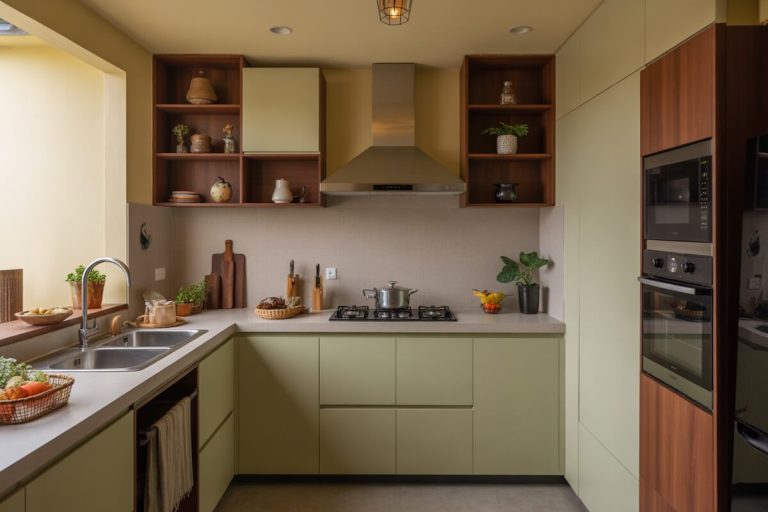
Vastu places the kitchen in the southeast. This isn’t symbolic. The southeast is already a warmer zone because of solar heat exposure. Placing stoves and ovens here keeps the heat concentrated instead of spreading into cooler areas.
For modern homes, this also means HVAC loads reduce. If you place a kitchen on the west, late afternoon heat combined with cooking heat makes the space uncomfortable. This forces you to use fans and vents harder.
When kitchens must face west or north, stronger ventilation, lighter materials, and reflective blinds help. You can also move the cooking zone away from direct window exposure to prevent heat stacking.
Water Placement and Its Temperature Impact
Vastu recommends placing water features or tanks in the north or northeast. These sides stay cooler. Water stored here doesn’t overheat, especially in homes without climate control.
For rooftop tanks, placing them in the southwest is discouraged in Vastu but supported in modern design only if insulated properly. In warmer climates, tanks exposed on the south or west heat up quickly. Insulation wraps or shaded covers fix this problem.
Indoor bathrooms placed on hot sides increase humidity and thermal load. You can counter this with exhaust fans on timers, moisture resistant materials, and insulated plumbing walls.
How Vastu Strengthens Passive Heating in Cold Regions
People often think Vastu only suits warm climates. That’s not accurate. Many Vastu ideas apply cleanly to cold regions if interpreted right.
South oriented glazing increases passive solar heat in winter. Thick walls on the west reduce cold winds. Open central zones improve heat distribution from fireplaces or heating vents.
You can keep the main activity spaces toward the east or north where glare is low while still using southern exposure as a passive heat source for circulation areas, staircases, or dining rooms. This balances comfort without drifting from Vastu logic.
Working With Irregular Plots and Modern Shapes
Modern buildings rarely sit on perfect square or rectangular plots. Angles get messy. Apartments stack in odd ways. Vastu tends to prefer regular shapes, but climate planning can make irregular forms work.
If a corner juts out toward the southwest, reinforce it with insulation or storage. If a missing corner reduces shade on the west side, add external shading. If the plot narrows toward the east, widen windows or mirrors inside to maintain daylight quality.
For L shaped or offset homes, focus on directional behavior inside each functional zone instead of stressing over the overall outline.
Blending Vastu With Energy Modeling
Architects today use digital tools to simulate heat gain and daylight. When you compare these simulation results with Vastu directional suggestions, they often match. East and north handle light better. South and west need shading. Central zones should remain open. Storage should sit on heavier sides.
Even if a building fails several traditional rules due to site constraints, you can still apply Vastu thinking through climate adjustments. What matters most is how comfortable the space feels.
Small Fixes When You Cannot Change the Layout
Not every home can be redesigned. You might be renting. You might be in a condo with strict HOA rules. You still have usable options.
Place darker or bulkier furniture on the south and west sides. Keep lighter items on the north and east. Use reflective blinds on west windows. Add cross ventilation through cracked doors or window vents. Add plants on sun exposed sides to reduce heat load. Light color flooring or rugs help bounce natural light around.
These small steps keep the home cooler and more balanced without structural changes.
Final Thoughts
Vastu works well with climate-responsive thinking because both care about natural forces. If you follow the directional approach thoughtfully, you end up with better daylight, smoother airflow, and steadier indoor temperatures. You also save energy without trying too hard.
When you design or adjust a space, let each direction guide material choices, window placement, shading, and load distribution. Even in tiny apartments or unconventional houses, the logic still holds if applied at the room level.