
Category: Vastu Consultant

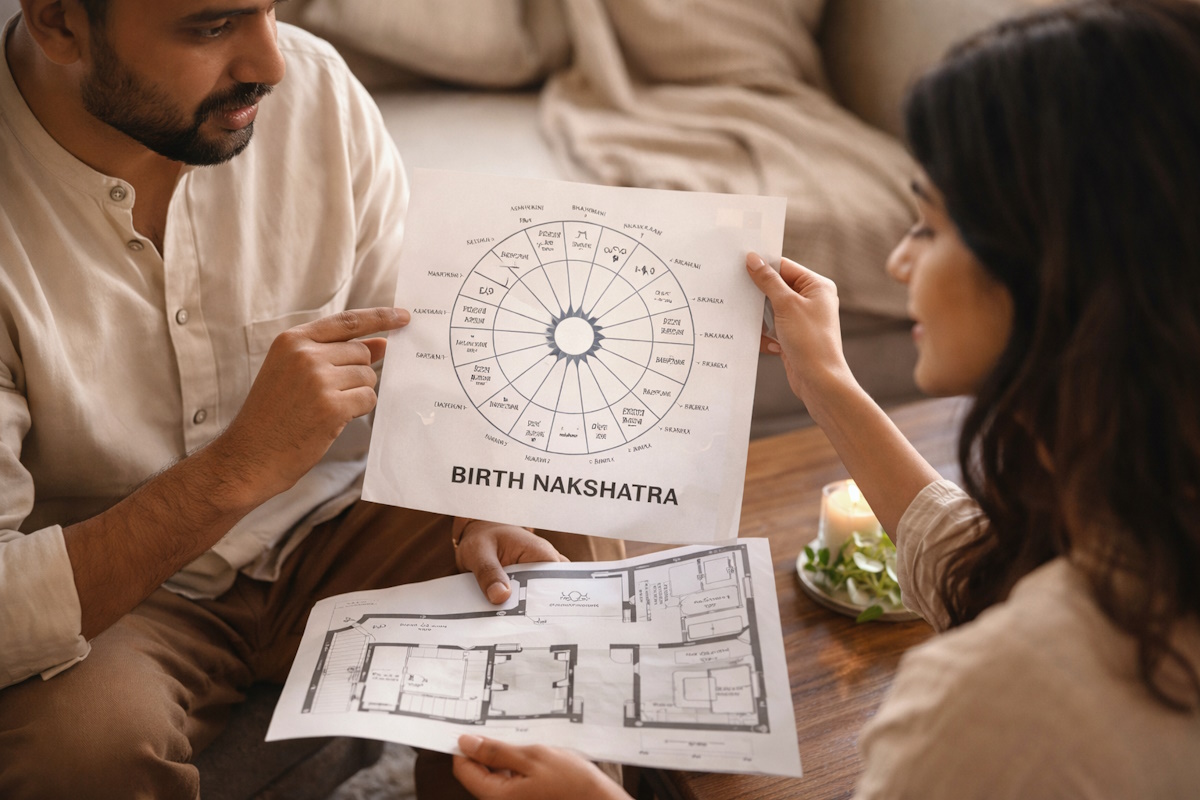
  • Vastu for Your Birth Nakshatra: Personalized Home Recommendations Based on Astrology

    Vastu for Your Birth Nakshatra: Personalized Home Recommendations Based on Astrology

    You already know your birth date. Maybe even your moon sign. Yet most people stop there. Birth Nakshatra goes a layer deeper and it quietly affects how you respond to space, light, noise, and layout. When Vastu for your birth Nakshatra is applied the right way, homes feel less forced. Decisions feel calmer. Daily routines stop fighting you.

    This is not about blind belief. It is about understanding tendencies and adjusting your living space so it supports how you naturally function.

    If you live in an apartment, a villa, or even a rental, this still applies. You do not need a custom-built palace. You just need awareness and a few smart choices.

    Why Birth Nakshatra Matters in Vastu

    Your Nakshatra is based on the Moon’s position at birth. The Moon governs comfort, habits, emotional response, and inner rhythm. That same rhythm decides whether a bedroom feels restful or draining, whether a kitchen energizes you or irritates you, and whether a home feels grounding or chaotic.

    Generic Vastu advice works at surface level. Personalized Vastu based on birth Nakshatra works at behavioral level.

    That is where real change happens.

    You might notice things like:

    • You feel restless in certain rooms without knowing why
    • You struggle with sleep even after fixing lighting and noise
    • You feel productive in odd corners of the house
    • Guests feel comfortable but you do not

    Nakshatra-based Vastu explains these mismatches.

    Below are practical home recommendations based on Nakshatra groups. This keeps things usable without turning your house into an astrology chart.

    Find My Birth Nakshatra Home Type

    Nakshatra Groups and Home Personality Types

    Instead of listing all 27 Nakshatras separately, Vastu works better when they are grouped by core nature. People in the same group react to space in similar ways.

    1. Action-Oriented Nakshatras

    (Aries, Leo, Sagittarius Moon zones)

    This includes Ashwini, Bharani, Krittika, Magha, Purva Phalguni, Uttara Phalguni, Mula, Purva Ashadha, Uttara Ashadha.

    If this is your group, you act fast. You dislike stagnation. Your home must not feel slow or boxed in.

    What usually goes wrong

    • Heavy furniture blocks movement
    • Low ceilings feel oppressive
    • Overdecorated homes irritate you
    • Dark corners trigger impatience

    Vastu adjustments that help

    • Keep circulation clear. Fewer obstacles between rooms
    • Favor open living areas even in small apartments
    • Use warm but light tones. Avoid muddy colors
    • Keep fire elements balanced. Kitchen should not dominate the home

    Bedroom guidance
    Sleep in the south or southwest zone if possible. Avoid mirrors facing the bed. You need rest without stimulation.

    Work-from-home setup
    East or southeast zones suit you. Keep desk facing east. Avoid clutter behind your chair.

    One-liner truth. Your home should move at your pace.

    2. Stable and Earth-Focused Nakshatras

    (Taurus, Virgo, Capricorn Moon zones)

    This includes Rohini, Mrigashira, Uttara Phalguni, Hasta, Chitra, Shravana, Dhanishta.

    You seek predictability. Comfort matters more than trend. Sudden changes in layout bother you more than you admit.

    What usually goes wrong

    • Too much open space feels empty
    • Frequent rearranging disrupts peace
    • Loud colors disturb focus
    • Improper storage causes mental clutter

    Vastu adjustments that help

    • Strong southwest zone gives grounding
    • Solid furniture with visible weight
    • Defined storage spaces for everything
    • Neutral earthy colors work best

    Kitchen placement
    Southeast is ideal. Keep cooking platform fixed. Avoid moving appliances often.

    Bedroom guidance
    Southwest or west suits you. Headboard must touch a solid wall. No floating beds.

    Financial corner
    North zone should stay clean and open. Avoid dumping unused items here.

    This group thrives when the home feels dependable.

    3. Intellectual and Communication-Focused Nakshatras

    (Gemini, Libra, Aquarius Moon zones)

    This includes Ashlesha, Punarvasu, Swati, Vishakha, Shatabhisha.

    Your mind never switches off. You need spaces that support thinking without overstimulation.

    What usually goes wrong

    • Too many gadgets in one room
    • Visual noise from decor
    • Improper lighting causes fatigue
    • Bedrooms doubling as workspaces

    Vastu adjustments that help

    • Separate zones for thinking and resting
    • North or east-facing study areas
    • Clean lines and minimal decor
    • Good ventilation matters more than size

    Living room tips
    Keep seating flexible. Avoid bulky sofas blocking windows.

    Bedroom guidance
    Northwest or west works well. Avoid electronics near the bed.

    Balcony use
    Light seating or reading space suits you. Avoid storage clutter here.

    Your home should help your thoughts settle, not scatter.

    4. Emotional and Care-Oriented Nakshatras

    (Cancer, Pisces, Scorpio Moon zones)

    This includes Pushya, Anuradha, Revati, Jyeshtha, Uttara Bhadrapada.

    You absorb energy quickly. Your home affects you deeply, even if you do not talk about it.

    What usually goes wrong

    • Overcrowded homes feel suffocating
    • Harsh lighting causes anxiety
    • Bedrooms near noisy areas disturb sleep
    • Broken items linger too long

    Vastu adjustments that help

    • Soft lighting in evenings
    • Clean northeast zone for emotional balance
    • Avoid bedrooms near staircases
    • Keep water elements balanced. No leaks

    Bedroom guidance
    North or northeast suits you best. Use calm colors.

    Prayer or quiet space
    Northeast is ideal. Even a small corner works.

    Kitchen placement
    Avoid northeast kitchens if possible. Fire here disturbs emotional stability.

    Your space should feel like a shield, not a battlefield.

    5. Leadership and Authority-Oriented Nakshatras

    (Sun and Mars influenced zones)

    This includes Magha, Purva Ashadha, Bharani, Krittika.

    You value control and dignity. Disorder bothers you even if you tolerate it publicly.

    What usually goes wrong

    • Weak southwest zone causes instability
    • Improper seating orientation in living room
    • Bedrooms placed in north or east reduce authority
    • Bathrooms in southwest weaken confidence

    Vastu adjustments that help

    • Strengthen southwest with weight and storage
    • Master bedroom in southwest if possible
    • Sit facing north or east during meetings
    • Keep entryway clean and commanding

    Home office
    South or southwest suits leadership roles.

    Entrance
    Solid door, proper lighting, no clutter.

    Your home should quietly support your position without shouting.

    Applying Vastu for Your Birth Nakshatra in Apartments

    Apartments come with limitations. That does not mean personalized Vastu is impossible.

    Focus on:

    • Furniture placement
    • Color choices
    • Lighting
    • Storage discipline

    Avoid breaking walls unless absolutely needed.

    Small changes still matter.

    Examples:

    • Adjust sleeping direction based on Nakshatra
    • Shift work desk orientation
    • Declutter sensitive zones
    • Use rugs or lamps to balance energy

    You are not fixing the building. You are tuning your experience inside it.

    Get Your Home Checked by Nakshatra

    Common Mistakes People Make with Nakshatra-Based Vastu

    Let’s clear some confusion.

    One. Treating Nakshatra Vastu like superstition
    This is behavioral alignment, not ritual.

    Two. Overcorrecting
    You do not need all remedies at once. Start slow.

    Three. Ignoring daily habits
    A perfect layout fails if habits fight it.

    Four. Copying someone else’s solution
    Your Nakshatra reacts differently. Your home must reflect that.

    Buying a New Home Based on Birth Nakshatra

    If you are house hunting, this matters even more.

    Check:

    • Bedroom zone compatibility
    • Kitchen placement
    • Entry direction
    • Noise exposure
    • Natural light pattern

    Do not reject a good property over minor mismatches. Look at flexibility.

    If layout allows adjustment, it can still work.

    A home that respects your Nakshatra feels right faster.

    You will notice it during the first visit.

    Vastu for Couples with Different Nakshatras

    This comes up often.

    Whose Nakshatra should guide the home?

    Answer. The person who spends more time there or whose Moon is more sensitive.

    Bedrooms need special care. Compromise through:

    • Neutral colors
    • Balanced furniture placement
    • Avoiding extreme remedies

    Shared spaces should support calm, not dominance.

    When handled well, Nakshatra differences balance each other.

    Check Home Compatibility Before Buying

    Final Thoughts Without Wrapping It Up Neatly

    Vastu for your birth Nakshatra is not about chasing perfection. It is about reducing friction.

    When your home stops working against you, energy frees up for real life. Work improves. Sleep deepens. Small annoyances fade.

    Look around your space today.

    Which room feels off?

    That answer usually points straight to what needs change.

    If you want, start with one room. Observe the shift. Let experience guide the rest.

    That is how personalized Vastu is meant to work.

  • Ethical Vastu Consulting: How to Avoid Fear-Based, Superstitious Advice

    Ethical Vastu Consulting: How to Avoid Fear-Based, Superstitious Advice

    Vastu has moved into modern homes, condos, and commercial spaces in a big way. People want clarity, not confusion. Yet many homeowners end up stressed because someone told them a mirror will ruin their life or a misplaced plant will destroy their money flow. You may have heard stories like that too. None of it helps you make grounded decisions about your space.

    Ethical Vastu consulting focuses on practical choices without pushing fear. The goal is simple. Help you create a steady, functional space that supports your routine. No dramatic warnings. No superstition. No pressure to remodel your entire house.

    This guide breaks down how ethical Vastu works, how to spot red flags, and how you can confidently make changes in your home or office without feeling scared or overwhelmed.

    What Makes Vastu Ethical Today

    Vastu comes from ancient architectural ideas, but modern homes are different. You live in high-rise apartments, condo units with HOA limits, small city lots, or open-plan layouts where directions overlap. Ethical consulting respects these real conditions.

    A responsible approach keeps three things in mind:

    1. Your home must stay functional.
    2. Recommendations need to fit your space and your budget.
    3. No advice should make you feel guilty or frightened.

    An ethical consultant guides you with reasoning. If they say the northeast corner needs to stay open, they should explain how light, circulation, and water activity support that part of the home. If they recommend shifting the bed, they need to explain how it affects sleep quality, not destiny.

    You deserve explanations that make sense in daily life.

    The Problem With Fear-Based Vastu

    Fear-based advice often pushes homeowners into panic. You hear words like “blocked energy”, “ruined luck”, or “dangerous placement”. Suddenly one mirror or a misplaced shoe rack becomes a threat.

    Fear creates pressure, and pressure leads to rushed decisions. That is where unethical consultants tend to profit by selling cures or remedies that do nothing for the space.

    Some typical fear-based patterns include:

    • Claiming your home is “bad” without studying your layout
    • Warning you that disaster is coming
    • Saying you must break walls or shift the main door
    • Selling items as instant fixes
    • Using guilt to force agreement

    Once you know these patterns, you can steer clear of them.

    How Ethical Consultants Give Advice

    Good consultants compare Vastu guidelines with real-world behavior. They look at how you use rooms, how sunlight enters the home, and what parts of the layout are easy or hard for you to maintain. They give you options and let you choose what feels practical.

    Here is what ethical guidance usually looks like:

    • They ask about your lifestyle and routine before talking about directions.
    • They check furniture placement and light flow before making claims about luck.
    • They offer simple adjustments such as moving a desk or shifting colors.
    • They avoid forcing structural changes unless absolutely required.
    • They treat Vastu as supportive, not predictive.

    You should feel informed, not intimidated.

    Avoiding Superstitious Interpretations

    Superstition often replaces reasoning. Someone might tell you a cracked tile will bring setbacks or a south-facing entrance will destroy finances. These statements ignore context. A south-facing home can work fine when the internal layout is balanced. A cracked tile is just a maintenance issue.

    Ethical Vastu avoids superstition by focusing on:

    • Light
    • Movement
    • Function
    • Ventilation
    • Safety
    • Comfort
    • Proportion

    Nothing mystical is hiding behind your drywall. When someone attaches drama to a normal household feature, that is superstition speaking, not good consulting.

    Understanding Directional Guidance Without Fear

    Every direction in Vastu has certain associations, but none of them should scare you. For example:

    Northeast

    People often stress over this corner because they hear it must stay completely open. In reality, it helps to keep this area bright and tidy. A small bathroom here is not the end of the world. You simply maintain cleanliness, avoid heavy storage, and keep ventilation strong.

    East

    This direction relates to morning light. If your apartment faces another building and gets little sunlight, it doesn’t mean problems. You just focus on better lighting inside, maybe lighter colors, and open blinds when you can.

    South

    Plenty of people panic over south-facing entries. Many south-facing houses in the US and Canada work perfectly. What matters is door placement, circulation around the foyer, and avoiding clutter that blocks movement. Ethical Vastu looks at the full picture, not old beliefs taken out of context.

    West

    Homes with a west entry sometimes worry families. The truth is simple. You manage heat, maintain airflow, and keep the space organized. No fear needed.

    When you understand the reasoning behind each direction, superstition fades.

    Start Your Free Vastu Analysis

    Why Modern Homes Need a Practical Lens

    If you live in a rental unit or condo, you cannot shift the kitchen, bathroom, or entry door. A responsible consultant understands these limitations. They help you apply Vastu within your restrictions instead of telling you the home is unusable.

    Some of the most common modern realities include:

    • Open kitchens that blend into living rooms
    • Bedrooms without exact north-south walls
    • Apartments where the main door faces a hallway
    • Multi-storey homes with shared ventilation
    • Corner lots with angled roads
    • Basement offices
    • Small studio apartments
    • Builder-grade layouts with fixed plumbing

    Real Vastu today respects these conditions. It guides you without asking you to tear your home apart.

    What Ethical Vastu Avoids

    There are some approaches you should never see in a professional consultation. These include:

    • Predicting tragedies
    • Claiming your home is cursed
    • Telling you to buy expensive items
    • Insisting on large-scale renovations
    • Giving advice without examining your layout
    • Using fear to justify services
    • Blaming your home for every personal issue

    Your house is not plotting against you. Any system that uses architecture to scare you is not ethical.

    How You Can Spot Unethical Advice Quickly

    Many homeowners ask how to tell if a consultant is pushing fear or superstition. There are a few simple checks.

    1. They avoid clear reasoning

    If someone repeats directional guidelines without connecting them to function or sunlight, you may want to step back.

    2. They speak in absolute rules

    Real spaces need flexibility. Anyone who treats every deviation as a crisis is relying on fear.

    3. They push instant cures

    Hanging one object cannot repair a badly planned room. A consultant should focus on layout, not magical items.

    4. They try to shame you

    No expert should make you feel responsible for old construction choices.

    5. They want you to feel dependent

    You should feel confident making decisions after a consultation, not lost without the consultant.

    If any of these show up, the advice is not grounded.

    Bringing Common Sense Into Vastu Remedies

    A lot of homeowners get overwhelmed by “remedies”. Ethical guidance keeps things simple. Remedies should be:

    • Easy to maintain
    • Inexpensive
    • Practical
    • Based on layout and use, not superstition

    For example, if you cannot shift your bed away from the window, you use a headboard. If the kitchen is in an off-direction, you maintain order, ventilation, and safe cooking practices. If the office desk faces a distracting wall, you improve lighting and adjust chair placement.

    You do not need costly items or metal pyramids. Common sense changes work better.

    How to Ask Better Questions During a Consultation

    Many people freeze during consultations because they don’t know what to ask. Here are questions that help you protect your space and your budget:

    • Can you explain why this direction matters in my layout?
    • Is this a preference or a strict requirement?
    • What is the simplest way to improve this area?
    • If I cannot change the structure, what are my options?
    • How does this recommendation support daily use?
    • Will this change affect safety or comfort?

    When you ask these questions, the consultant has to stay grounded. You steer the conversation toward clarity instead of superstition.

    Practical Vastu Without Panic: Room by Room

    Let’s look at how ethical Vastu works in different areas of the home. No fear. Just practical guidance.

    Living Room

    A living room should feel open and comfortable. The exact direction matters less than airflow and seating arrangement. Keep pathways clear. Avoid bulky furniture near the entry. If the shape of the room creates awkward pockets, use smart lighting or plants for balance.

    Kitchen

    People stress over kitchen direction more than needed. In apartments, you cannot move it anyway. Focus on safe cooking, functional storage, and good ventilation. Keep heat sources organized. Maintain order. These small steps often bring better results than shifting anything.

    Bedrooms

    If your bed faces the window or a mirror, adjust as needed for sleep quality. Choose sturdy headboards. Keep the room calm and clutter free. Directional rules help, but comfort matters more.

    Bathrooms

    Bathrooms often fall in directions that old texts consider sensitive. Modern plumbing doesn’t allow much change. Keep them dry, clean, and ventilated. That alone balances most concerns.

    Home Office

    Direction helps focus, but ergonomics matter more. Choose a desk that supports long hours. Keep your back to a solid wall when possible. Use bright lighting. Remove distractions. These improvements support productivity in a more reliable way than any symbolic cure.

    Commercial Spaces and Ethical Vastu

    Office spaces, restaurants, clinics, and retail stores often need quick decisions. Ethical consulting focuses on workflow and customer movement. It does not press for expensive redesigns unless absolutely necessary.

    For example:

    • A clinic needs calm waiting areas
    • A restaurant needs clear entry circulation
    • A store needs logical product flow
    • An office needs stable workstations

    These choices have more impact than minor directional concerns. Vastu supports the business layout instead of threatening it.

    Balancing Cultural Belief With Practical Design

    Many families follow Vastu because of tradition. Ethical consulting respects belief without exploiting it. There is room for spiritual comfort and modern function in the same space. The best approach blends practical layout adjustments with preferences that make you feel grounded.

    You might keep a prayer corner, choose calming colors, or maintain specific habits. These choices stay personal. They never replace logic.

    What To Do When Your Layout Looks Difficult

    Some homes feel tricky. Maybe your kitchen sits in a corner you read about online. Maybe your bedroom lacks a perfect placement for the bed. Ethical Vastu keeps your stress low.

    A responsible consultant will do the following:

    • Study circulation
    • Check sunlight
    • Look at room proportions
    • Prioritize safety
    • Suggest simple changes first
    • Work within your budget
    • Offer alternatives when one fix is not possible

    There is always a practical path.

    When You Should Walk Away From a Consultant

    You may need to step away if someone:

    • insists your home is a mistake
    • pushes fear at every step
    • refuses to explain their reasoning
    • gives identical advice to every client
    • wants to sell products
    • discourages questions
    • tries to rush your decisions

    Your space is yours. No consultant should hold power over your peace of mind.

    Building Confidence in Your Own Space

    The goal of ethical Vastu is not perfection. It is comfort, flow, and clarity. When you understand why a guideline exists, you free yourself from superstition. You make choices that support your daily life, not choices based on fear of what might go wrong.

    You should walk through your home and feel steady. You should look at every room and understand the reasoning behind its layout. That confidence stays with you long after the consultation ends.

    Get Instant Vastu Report

    Final Thoughts

    Your home deserves grounded guidance. The more you understand ethical Vastu, the easier it becomes to spot advice that relies on fear or superstition. Stick to reasoning. Focus on function. Ask questions. Keep your space practical and supportive.

    You can apply Vastu without stress. You can improve your home without dramatic warnings. And you can create harmony without falling into superstitious traps.

    If you want, I can help you review your floor plan or room layout and guide you in a practical way.

  • Avoiding Financial Loss: 7 Vastu Doshas That Devalue Commercial Property

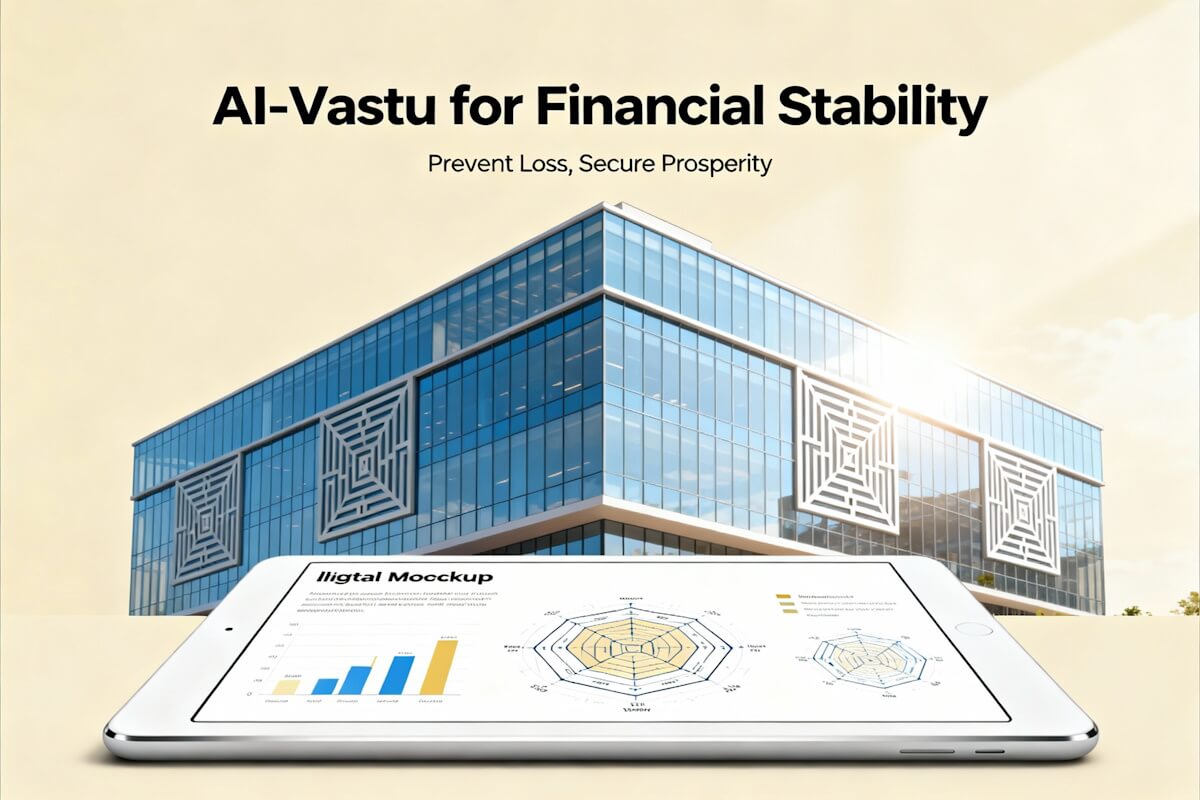
    Avoiding Financial Loss: 7 Vastu Doshas That Devalue Commercial Property

    Commercial spaces carry a different kind of pressure. You might own a retail shop, a restaurant, a warehouse, a clinic, an office floor, or a mixed use property in a busy US or Canadian market. When the space works well, you feel it. When something is off, you notice it in the form of slow foot traffic, staff turnover, unpredictable sales, mounting repair costs, or deals that just do not close. Many owners later discover that certain Vastu doshas quietly push down the performance of the property. And once the market senses trouble, the perceived value dips.

    If you want to focus on Avoiding Financial Loss: 7 Vastu Doshas That Devalue Commercial Property, the key is to understand what usually goes wrong and how to correct it without tearing the place apart.

    Let’s walk through the doshas that create the biggest dents in revenue and long term property worth.

    1. A Weak North East Corner

    The North East corner in any commercial property needs to stay open, lighter, and calmer than the rest of the space. In many US cities, owners convert this corner into storage, server rooms, oversized bathrooms, or mechanical rooms because it feels like leftover space. The problem is that heavy use in this corner slows momentum. You feel it in the way money trickles in but never grows.

    A North East corner with clutter or heavy construction often shows up as:

    • Delayed payments
    • Short term clients who never return
    • Deals that stall
    • A general sense of stuck energy

    If you notice water leakage, mold, or plumbing repairs piling up in this zone, that is another sign the corner is taking on too much weight. Try to free this area. Move heavy items out. Keep it cleaner and brighter. Even in a compact shop or office suite, shifting a few blocks of shelving away can create a visible shift in how the place feels.

    2. South West Entrance or Overactive South West Zone

    An entrance in the South West direction tends to drain stability. In commercial properties, this direction should anchor the space. It should carry steady weight such as the owner’s cabin, the main safe, or long term documents. When you place the entry here, the property feels ungrounded. Staff comes and goes. You might notice that tenants do not stick around. People with experience in property flipping often avoid South West entries because values dip over time.

    Some modern layouts, especially in malls and plazas, force a South West entry. If that is your situation, the goal is to create stability through placement. Keep the heaviest zone in the South West interior, not at the door. Place filing cabinets, financial records, or the owner’s chair here. Even a structural column can help as long as you do not load this corner with trash or temporary items.

    Avoid active movement in this zone. Loud machinery or fast service counters here can pull the energy downward and that affects revenue flow.

    3. North Blocked by Heavy Storage or Dirt

    The North side supports cash flow. When this wall or zone gets blocked by tall racks, old inventory, unused printers, cardboard piles, or dusty tools, the property feels like it is running with a clogged pipe.

    Owners often ignore the North side because it looks like a good place to stack things. In warehouses or garages, the entire North wall gets buried under supplies. If you run a retail shop, the stockroom area sometimes ends up right in this direction.

    Signs of a blocked North include:

    • Money arrives but leaves just as fast
    • You land projects but profit margins shrink
    • Repairs keep showing up one after another
    • You feel pressure with no real growth

    Try clearing a few feet of space. Even a partial correction helps. Keep the North cleaner than the rest. Use lower height storage. Add a light fixture that stays on during business hours. The goal is to give this direction room to breathe.

    4. A Damaged or Heavy South East Zone

    The South East direction handles all fire energy. In commercial real estate, this usually means kitchens, electrical connections, HVAC units, cash counters, industrial appliances, or large lighting systems. When this zone is damaged, dark, or overloaded, it messes with financial stability.

    What hurts this area the most:

    • Leaking pipes
    • Burnt wiring
    • Broken appliances
    • Heavy water features like tanks or large fountains
    • Staff restrooms placed incorrectly
    • Fire alarms or panels malfunctioning

    In restaurants, cafés, and salons, the South East zone gets chaotic. That chaos often shows up as high overheads. Electricity bills jump. Appliances break more than they should. Staff feels edgy. Customers complain about minor things. These small patterns point toward heat imbalances.

    Repair issues in this direction quickly. Keep fire equipment organized. Do not place cold storage units here if you can shift them even a few feet away. The space should feel energetic but not overloaded.

    5. A Toilet in the North East, South West, or Center

    Toilets carry draining energy. Commercial buildings in the West often have fixed plumbing that gives you little control. If a restroom falls in the North East, South West, or the Brahmasthan (center), it affects both perception and value.

    A toilet in the North East weakens clarity and invites frequent confusion in business decisions. In the South West, it breaks stability. In the center, it throws off the entire geometry of the property. Even if everything else is right, a central toilet knocks down property appeal.

    If relocating the toilet is impossible, keep this zone clean, well lit, and odor free. Install a strong exhaust fan. Close the door when not in use. These practical adjustments do not erase the dosha fully, but they reduce its impact to a level where business can function without constant disruption.

    6. Irregular Plot Shape or Odd Angled Walls

    Many commercial units in the US and Canada sit inside strip malls, flexible warehouse bays, prefabricated buildings, or converted residential structures. Because of that, you often get odd shaped corners or diagonal walls. When the property tilts heavily toward any one direction or cuts off a major corner, revenue patterns fluctuate.

    A missing North East corner weakens growth. A missing South West corner weakens long term stability. A cut East affects visibility and reputation. A cut North throws off cash flow.

    Long corridors that run diagonally also create unnecessary speed in the energy. That can show up as customers rushing in and out or staff that cannot focus. If your unit has too many angles, try bringing in rectangular furniture pieces that visually square off the space. Even a simple cabinet placed in the right spot can correct the shape.

    Try Your Free Vastu Check

    7. A Weak or Overcrowded Entrance

    Your entrance carries the entire financial story of the property. If the door sits in a corner that receives no light, or if it is too small for the size of the unit, you will feel a slump. Commercial entrances should invite movement without being chaotic.

    What hurts the entrance:

    • Defective signage
    • Dirt or clutter near the door
    • A cracked threshold
    • A door that scrapes the floor
    • Trash bins placed close by
    • A staircase directly hitting the entry

    Entrances in the North, East, or even North East tend to support growth as long as they are clean and active. Entrances in the South or West can work too, but they need visual balance such as a solid door frame and better lighting.

    If your entrance feels dull, improve visibility. Adjust lighting. Shift plants or signs so they feel organized and intentional. People notice the entrance in the first five seconds. If it feels off, the market value drops quietly.

    How These Doshas Affect Property Value

    You might wonder how something as invisible as energy direction can affect real estate numbers. The answer shows up in day to day behavior. When a commercial space experiences continuous confusion, high employee turnover, legal issues, mounting expenses, or inconsistent customers, the property develops a reputation. Even if buyers do not talk about Vastu, they sense instability. That sense drops the price.

    A well balanced commercial property feels predictable. You see stable income. You see staff staying longer. You see customers returning. Those patterns strengthen the property’s financial position. And a stable property always sells higher.

    Vastu is not magic. It is a practical approach to keeping movement, weight, light, and usage balanced across different directions.

    Practical Corrections You Can Apply Without Renovation

    Most commercial owners fear that Vastu corrections demand major construction. In practice, small adjustments often solve the bigger part of the issue. A few examples:

    • Move heavy files to the South West instead of keeping them in the North or East.
    • Add warm lighting in the South East but avoid placing water items there.
    • Reduce clutter in the North. Even removing three large boxes can help.
    • Keep the entrance completely clear for at least three feet inside and out.
    • If a major dosha sits in the North East, make it the cleanest and calmest zone of the property.

    These changes feel simple. They work because they support the natural flow of activity inside the space.

    What You Should Look For Before Buying Commercial Property

    If you are shopping for a new commercial unit, pay attention to the basics before you sign anything.

    Walk the property and check:

    • Is the North East corner open or blocked?
    • Does the South West hold stable weight?
    • Is the entrance well placed for the type of business you plan to run?
    • Do toilets sit in high impact zones?
    • Are there strange cuts, missing corners, or diagonal walls?
    • Does the property feel grounded when you take a full lap inside?

    Many agents focus on parking, square footage, HOA rules, or zoning codes. While those matter, Vastu patterns often create long term gains or losses that show up only after you move in.

    Spend ten minutes studying the directions with a normal compass app. You might catch something that saves you a lot of trouble later.

    When You Cannot Change the Layout

    Plenty of commercial units in the West have fixed layouts. Landlords may not allow altering walls, plumbing, or electrical points. In that case, correct the flow by using furniture, color, weight, and lighting.

    For example:

    • A weak North East can be softened by reducing heavy furniture and keeping the zone fresh.
    • A South West toilet can be balanced by keeping the area tidy and placing long term storage in the corner outside the toilet wall.
    • A South East problem can be balanced by keeping water away and repairing fire elements right away.
    • A cut corner can be visually completed using a square cabinet or heavy planter.

    Small shifts change how people interact with a space. And that often changes revenue patterns too.

    Get Instant Vastu Report

    Why These Doshas Matter More in Commercial Real Estate

    Residential Vastu deals with comfort, relationships, and personal balance. Commercial Vastu deals directly with money. A mistake in direction hits returns immediately. These errors also affect resale value since buyers feel cautious when they sense instability.

    Commercial property carries a public face. Customers walk in and out all day. Staff members influence the mood of the place. Even tiny Vastu errors become noticeable because so many people interact with the same space.

    If your commercial property feels unpredictable or heavier than it should, check the directions. You might find that one of the seven doshas listed above is quietly draining value.

    You do not need to overhaul the property. You just need to fix the direction-energy mismatch.

    And once you do, the property tends to respond. Revenue becomes steadier. The space feels easier to run. Buyers feel more confident. Over time the market value strengthens.

  • 5 Questions to Ask Before Hiring a Vastu Consultant

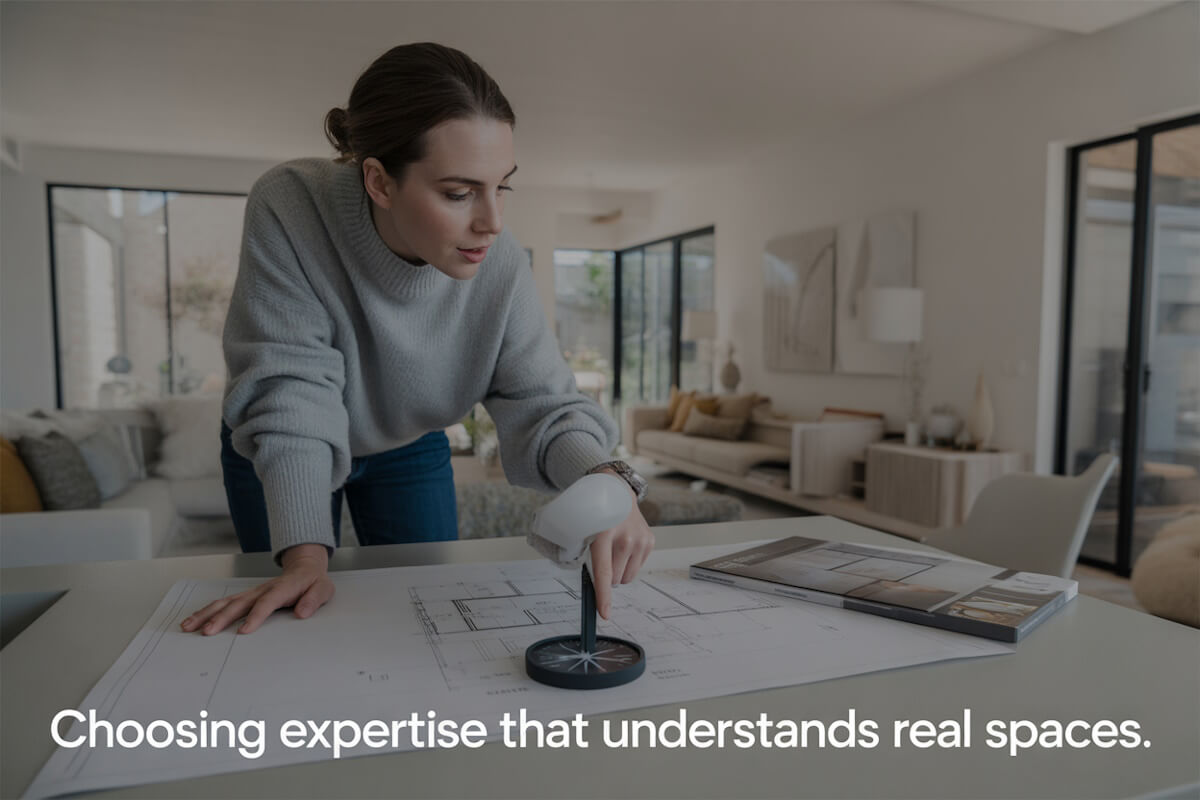
    5 Questions to Ask Before Hiring a Vastu Consultant

    Hiring a Vastu consultant can feel tricky, especially when every expert seems to promise the same thing. You want someone who knows real houses, real site problems, condo layouts, basement quirks, and the way North American construction works. Experience matters because homes are not textbook diagrams. You deal with load bearing walls, HOA rules, tight budgets, and floor plans that don’t match old Vastu references.

    A consultant with real field knowledge will guide you in a way that fits your daily life. Someone guessing from a chart or repeating generic lines can leave you confused or spending money on things that don’t solve anything.

    This is why asking the right questions before hiring a consultant is a smart move. These five questions help you understand their depth, their practical thinking, and how well they can connect classical Vastu ideas with modern spaces.

    Let’s break each one down in a way you can use right away.

    1. What type of spaces have you worked on and how often?

    Every consultant says they have experience. You need details. Ask about the actual types of spaces they worked on. A consultant who handled only independent homes in India may not understand the structural limits of a tenth floor condo in Chicago or a townhouse in Toronto. They might not know how HVAC placement affects energy flow or how a fixed kitchen layout limits your choices.

    Real experience shows up when a consultant mentions things like:

    • Apartments with reversed floor plans
    • Homes with a central staircase
    • Sites with odd angles
    • Properties with long corridors
    • Pooja rooms squeezed into closets
    • Commercial units inside shopping strips
    • Basements converted into offices
    • Homes with large glass fronts
    • Plots shaped like L or T

    Someone who handled a mix of these knows how to work around restrictions. They also understand the difference between ideal rules and workable rules. You want the second type.

    If the consultant worked only on textbook houses, they might offer solutions that clash with your structure or lifestyle. Ask how often they handle projects like yours. If their answer sounds vague, that is your hint. Press for specifics. You’re hiring someone who must read your space correctly, not someone who sticks to theory.

    2. How do you evaluate a property before giving suggestions?

    This question shows you how they think. An experienced consultant will look at more than the main door direction. They should talk about flow, load distribution, natural light, placement of utilities, land shape, interior circulation, and the function of each room. Their evaluation should feel layered and steady.

    Here’s what a strong evaluation style usually includes:

    Site orientation

    They check the exact orientation, not just compass directions from a phone app. Many pros use detailed tools to measure degree levels because a few degrees can shift the interpretation. If someone says north is north and leaves it there, that’s shallow.

    Structural elements

    They look at beams, columns, ducting, and fixed plumbing points. They understand you can’t move these. They won’t tell you to shift a washroom to the north when your condo pipes are locked in place.

    Practical routines

    They ask how you use the space. If you cook late at night, work from home, or keep heavy storage in one area, they consider all that. Vastu is not just directional logic. It involves understanding how your routines affect balance.

    Climatic factors

    An experienced consultant checks sunlight patterns. A north facing home in Toronto behaves differently from one in Houston. Natural light plays a big role, and a pro understands this.

    Realistic solutions

    They focus on what you can change. They avoid grand fixes that need demolition unless you say you are planning renovation. A solid consultant respects your budget and structure.

    If the person skips detailed evaluation and jumps straight to suggesting crystals or plants, they are not reading your space. You want depth, not gimmicks.

    3. Do you offer structural guidance, interior adjustments, or both?

    Different consultants have different skill sets. Some handle only interior recommendations. Others understand structural planning too. You need clarity because the type of changes they propose will depend on their skill.

    When you ask this question, look for answers that show confidence with:

    • Floor plan layout corrections
    • Room placement logic
    • Bathroom positioning and alternatives
    • Kitchen adjustments without major demolition
    • Bed alignment and headboard placement
    • Electrical point corrections
    • Staircase orientation guidance
    • Remedies when facing immovable defects
    • Pooja room placement in tight homes

    A consultant with structural experience can guide you during home buying, construction, or renovation. They can warn you if a builder’s plan clashes heavily with Vastu or if the error is minor enough that you can manage it with smart interior placement.

    Interior-only consultants can still be good, but they should be honest about what they can cover. If someone without structural knowledge tries to dictate architectural decisions, it becomes risky. You want someone who respects boundaries.

    Ask them how they handle situations where a defect cannot be fully corrected. Their answer will show if they rely only on symbolic items or if they can use layout adjustments and weight balancing. The latter shows stronger training.

    4. How do you handle situations where major fixes are not possible?

    Most people are not building from scratch. You already have walls, plumbing, electrical wiring, a kitchen, and furniture. You might even be renting. A consultant who insists on major renovations is not practical. Real experience shows in the ability to work around limitations.

    A good consultant can fix or reduce issues through:

    • Functional zoning adjustments
    • Weight distribution corrections
    • Smart placement of storage
    • Selective shifting of furniture
    • Adjusting the use of certain rooms
    • Introducing grounding elements like metal or wood
    • Changing entry movement within the home
    • Balancing areas based on actual activity

    Someone who understands these methods will never pressure you into breaking walls unless you’re already planning a remodel.

    Ask them to describe a time they handled a tight situation with no structural options. If their answer includes workable solutions instead of vague symbolic items, that’s a good sign.

    Many real homes in the US and Canada have kitchens in the middle, bedrooms in the southwest corners, washrooms in heavy traffic zones, and staircases near the center. These issues often can’t be changed. Experience helps a consultant tweak the energy flow in small, smart ways that don’t require construction.

    If they cannot explain how they work around fixed layouts, that means they rely on textbook theory, not real projects.

    Try Your Free Vastu Check

    5. What is your process and what deliverables do you provide?

    Every homeowner wants clarity. You don’t want someone who visits, says a few things, and leaves you confused. The best consultants follow a clear process and give you something you can refer back to.

    Ask them what their process looks like. A well organized expert usually offers:

    A detailed walkthrough

    They check each room, every utility point, and the transitions between spaces.

    Measurements

    They take orientation readings, mark degree levels, and look at the angles of the site or unit.

    A layered explanation

    They explain the good points first, then the issues, then the possible solutions.

    A written plan

    Many provide a written report. It includes room by room guidance, furniture placement, corrections, and long term recommendations. Some offer follow up calls.

    Clear timelines

    They tell you when you’ll receive the report or the list of corrections.

    No pressure remedies

    Experienced consultants don’t push you to buy items from them. They give neutral suggestions and let you source things yourself.

    If the consultant cannot explain their process clearly, you risk ending up with half information. Ask them to show a sample style of their written guidance. You don’t need personal details, just the structure. This helps you see whether they think in a clean, organized way.

    Why experience changes everything

    You can apply Vastu only through understanding the space in front of you. Every home has a story. A professional who spent years working on different layouts builds instincts you can’t learn from a weekend course.

    Experience also brings maturity. A seasoned consultant won’t make you scared about minor defects. They will tell you what matters most and what you can ignore. They know how to adjust solutions based on lifestyle, climate, structural constraints, and your long term goals.

    They won’t claim to fix every problem. They won’t give you dramatic statements. They will give you direction that feels grounded.

    This steadiness is exactly what you need when you’re making decisions about your home or commercial place.

    Red flags to watch for when hiring a consultant

    While asking the five questions, you may catch some warning signs. These usually point toward a consultant with limited training or someone too focused on symbolic remedies.

    These include:

    • Vague answers about experience
    • No mention of structural factors
    • No interest in understanding your routine
    • Jumping straight to placing objects
    • Refusing to work with modern layouts
    • Overemphasis on fear based interpretations
    • No acceptance of practical limitations

    If you spot these behaviors early, keep looking. There are many consultants who work with balance and logic.

    How to prepare yourself before the consultation

    You get better results when you prepare a bit. This doesn’t mean studying Vastu deeply. It means knowing your home well.

    Take these steps before meeting a consultant:

    • Gather your floor plan
    • Check the exact degree orientation
    • Make a list of your daily routines
    • Note specific concerns like sleep problems, blocked rooms, or unused corners
    • Think about future renovation plans
    • Identify areas you cannot change

    This preparation helps the consultant read your space faster. It also gives you clearer discussions.

    If you’re buying property, bring multiple floor plans for comparison. A consultant with real experience can quickly tell you which one supports better flow.

    Picking the right consultant for your budget and expectations

    Not every home needs a high profile consultant. What you need is the right fit. If your home is small or you want only basic adjustments, find someone who specializes in minor corrections. If you’re building a custom home, look for someone with architectural know-how.

    Your comfort level matters. Go with someone who listens more than they speak. Watch how they respond to your questions. You should feel that they are guiding, not preaching.

    Ask them how they charge. Some charge by square footage. Others charge by consultation type. Pick a structure that feels clear and fair.

    Experience should show up in their confidence, consistency, and calm approach.

    Run a Quick Vastu Report

    Final thoughts

    Vastu is not magic. It’s practical energy flow that respects how you live, where things sit, and how spaces interact. Hiring the right consultant can bring clarity that stays with you for years.

    When you ask these five questions, you get a clear picture of the person you’re hiring. You understand their depth, their patience, and their ability to translate Vastu into real world terms. That’s exactly what you need when dealing with something as personal as your home.

    If you take your time, ask the right questions, and trust your instincts, you’ll find someone who supports your goals without turning your life upside down.

    Experience matters. The right consultant proves it in every answer.