
Category: AI-Powered Vastu

  • Why AI + Human Expertise Creates the Most Accurate Vastu Consultations

    Why AI + Human Expertise Creates the Most Accurate Vastu Consultations

    People reach out for Vastu advice when they feel stuck. Maybe a home has strange energy pockets. Maybe a business space keeps dragging. Or you might simply want to pick the right apartment before signing a lease. You want guidance that feels grounded in real life, not vague ideas.

    That is where the mix of smart digital tools and hands-on Vastu judgment changes the whole experience. You get accuracy without losing the personal touch that makes Vastu practical in modern homes.

    This combination helps you move from guessing to making decisions that actually fit your layout, your habits, and your goals.

    Let’s break down why both pieces matter so much and how they work together.

    Digital tools catch things people miss

    Modern homes come in all kinds of shapes. L shaped condos, compact studios, long rectangular high-rise units, bigger suburban homes with offsets. You might have an open kitchen that blends into the living room. Or a bedroom pushed into a corner because of the building’s structure. There are endless variations.

    When someone tries to evaluate a layout manually, it is easy to misjudge subtle angles, wall shifts, misplaced beams, missing corners, or strange cutouts. Paper drawings are often not to scale. Photos distort perspective. A rough sketch rarely shows what is truly happening.

    When digital systems scan floor plans, every inch gets marked with precision. You see the true center, exact directions, and how spaces relate to each other.

    This accuracy matters because Vastu is all about placement. A bedroom that looks northeast might actually lean more toward east-north-east. A kitchen you think is in the south could fall in the south-by-southwest zone. These details influence the guidance you receive.

    AI tools identify these micro shifts. They measure. They map. They highlight zones that matter. They pick up patterns across thousands of layouts, so they instantly flag combinations that usually create friction.

    But technology alone does not solve it. It simply reveals the playing field.

    Human understanding brings context and judgment

    Vastu decisions are never just technical. You live in the home yourself. Your family uses different rooms for different purposes. You might work late hours. You may need a study zone. Your partner may have a different schedule. Kids need quieter corners. Some homes have pets. Some people run home offices.

    No digital tool fully understands your personal story.

    A skilled Vastu consultant listens to all that and adjusts the guidance so the house supports your daily rhythm. They explain what matters right away and what can wait. They help you avoid over-fixing things that don’t affect your life. They also help you prioritize when budget or layout limits your choices.

    You might hear mixed advice online about mirrors, bed directions, colors, or remedies. What works in one home may not fit yours. Human judgment filters noise and focuses on what truly affects your space.

    Think of it as two parts working together. One part shows pure data. The other part interprets it with life experience.

    Technology makes direction-based zones accurate across every housing style

    People often rely on phone compass apps. Those can drift a few degrees because of metal frames, interference, or nearby appliances. Even holding the phone at a slight angle can skew direction. That is enough to shift a zone into the wrong area.

    AI-backed direction tools use corrected values from larger data models. They validate direction using reference points so the result is stable. For condo units where the main door faces a shared hallway or elevator lobby, this accuracy is a game changer.

    You see exactly which zone each part of the home falls under. No guessing. No eyeballing.

    This helps with:

    • Entry placement in high-rise apartments where doors rarely face true cardinal directions
    • Corner-heavy townhomes where angles create confusion
    • Basement spaces where no natural window direction gives clues
    • Retail units in malls where entrances sit in curved corridors

    When the directions are measured right from the start, the final recommendations stay sharp and relevant.

    Human insight keeps Vastu practical and grounded

    A balanced Vastu plan does not force you to rebuild your entire house. You should never feel pressure to buy new furniture or knock down walls unless you actually want to.

    People who follow Vastu want changes that feel natural. Something you can apply without turning life upside down.

    That is where a human expert steps in and keeps things reasonable.

    If your bedroom falls in a zone that is not ideal, you might only need a layout shuffle. If the kitchen lands in a tricky spot, there are functional adjustments that improve energy without needing construction. When a room has a missing corner due to the building’s architecture, small balancing steps can reduce the impact.

    Experienced consultants understand what is flexible and what is not. They help you work with the home you already have instead of fighting it.

    You get advice that respects real-world limits like:

    • Condo association rules
    • Rental restrictions
    • Fixed plumbing lines
    • HVAC placements
    • Budget boundaries
    • Family routines

    Digital scans alone cannot judge which solution fits your actual situation. That part needs a person who handles real homes every day and knows what is realistic.

    Run a Quick Vastu Report

    When both combine, the consultation becomes far more reliable

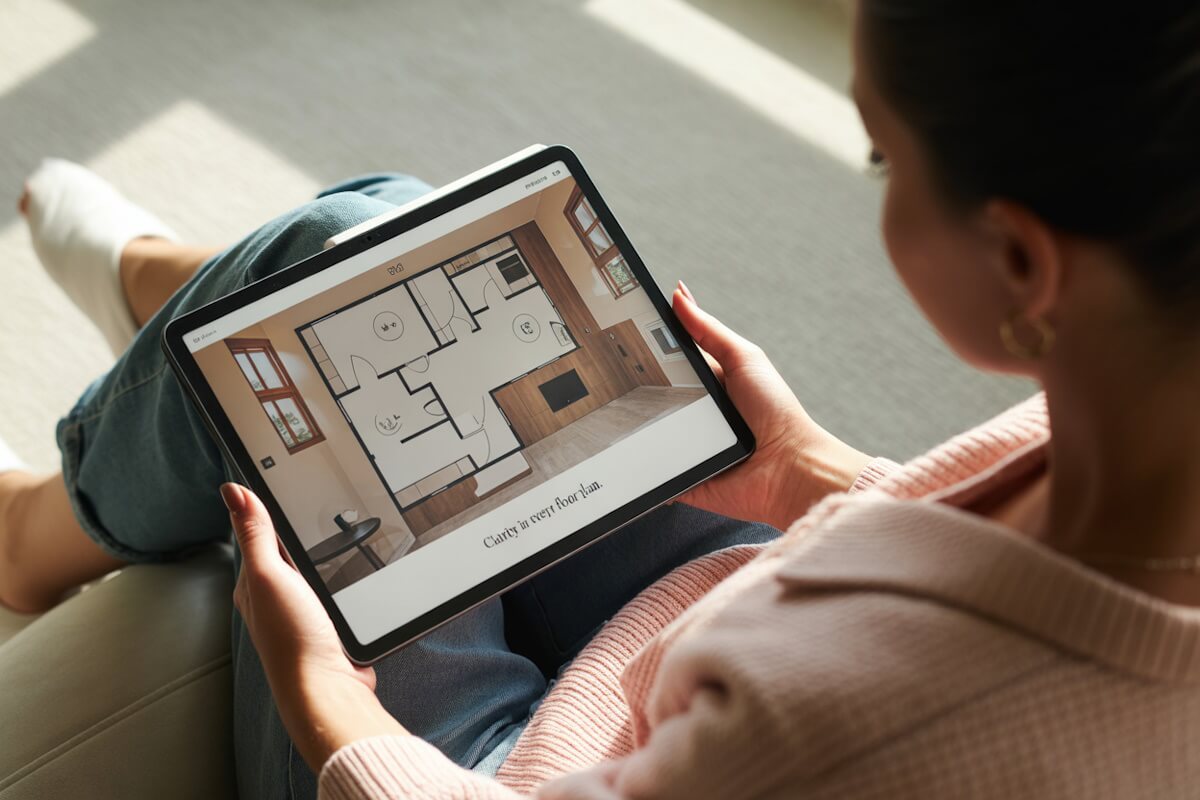
    AI systems create a detailed layout map. Human experts interpret the map based on your life. Put both together and the result is far more accurate than either one by itself.

    You get clarity in three major areas:

    1. The true center and directional spread

    The center of a home is one of the most misunderstood points. People usually assume it is the middle of the living room. Most of the time, it is not. It often falls in hallways, closets, or places you would not expect. AI calculates it correctly. Humans explain what that means for energy flow.

    2. Correct zone placement

    Misplacing even one room into the wrong zone sends the guidance in the wrong direction. The digital mapping keeps this precise. A human then checks how you use that space. Maybe you use the formal dining room as a study. Maybe the guest room doubles as a meditation room. These functions matter more than labels.

    3. Personal needs

    A young couple buying a first condo has different needs than a retired couple settling into a suburban home. A family of five functions differently from a single professional. Tech does not understand that, but a consultant does. The combination leads to advice that truly fits you.

    Why this mix helps during property selection

    People often involve Vastu only after moving in. That is usually too late to shift big things. When AI tools and human judgment come together early, you get a clear picture before buying or renting.

    You can compare two or three units with confidence and pick the one that supports health, finances, and peace of mind. You get clarity on which layout is easier to correct. You avoid spaces with structural issues that create long term discomfort.

    A consultant uses the digital scans to highlight strengths and weak areas. They help you understand which problems are minor and which might affect you more. You end up choosing a property that feels right without second guessing.

    Both parts help you avoid superstition or fear-based thinking

    Sometimes people feel anxious when they hear a certain direction is not ideal. Or they worry because a friend mentioned something about toilets in the wrong corner.

    Tech removes confusion by showing the exact layout. Human expertise separates myths from real concerns. You get clarity instead of fear.

    When you know the precise zone and the practical fix, the whole experience feels lighter. You stop overthinking. You make steady decisions.

    You get answers like:

    • This is fine as it is
    • This will improve with a minor change
    • This needs attention but not urgently
    • This is the best unit among your options
    • This area needs a small balancing step

    Clarity like this keeps Vastu grounded and useful.

    This combination suits every type of property

    Different homes bring different challenges. The pairing of AI and human experience makes it easier to deal with all of them.

    High-rise apartments

    Most modern condos have irregular layouts. Walls tilt slightly. Corners shift. Balconies cut into rooms. Shared hallways distort direction. Digital mapping catches these oddities. Human guidance helps you choose workable solutions in compact spaces.

    Townhomes and row houses

    These homes often stretch long and narrow. Some rooms end up far from natural light. Staircases split energy flow. AI identifies sections that need balancing. Consultants help you manage transitions so the flow feels smoother.

    Single family homes

    Large homes bring multiple functional zones. Families need clarity on which bedrooms suit which person. Tech marks the exact directions. A consultant helps you match rooms with people based on health, work patterns, and comfort.

    Home offices and studios

    People who work from home need strong stability zones. Digital scans show which corner supports focus and which areas cause restlessness. Human judgment matches that with your work style.

    Shops and commercial units

    Commercial spaces need sharp directional accuracy because entries, cash counters, and work zones influence revenue patterns. Digital mapping handles precision. Human strategy aligns it with the nature of the business.

    You get measurable improvement in how a home feels

    When both pieces work together, changes stop feeling random. You notice a shift because the corrections are based on accurate mapping and personalized strategy.

    Some people feel the space become lighter. Others feel more settled. Some sleep better. Some feel less resistance during the day. These are the small shifts that build up over time.

    You are not relying on guesswork. You are acting on a clear layout and a clear plan.

    Why this approach avoids unnecessary remedies

    A big problem in many consultations is over-prescription. Too many crystals, too many colors, too many symbolic items. When the digital layout is accurate and human judgment filters what matters, you end up doing less but getting more impact.

    You avoid:

    • Filling rooms with items you do not need
    • Shifting furniture repeatedly
    • Spending money on décor that does nothing
    • Feeling overwhelmed by conflicting advice

    Real fixes tend to be simple. A furniture adjustment. Improved lighting. Clearing blocked zones. Better room assignment. Small but targeted actions.

    The combination of precise detection and practical judgment keeps the plan clean.

    How this helps you long term

    Once your layout is mapped, you can revisit it when life changes. If you convert a spare room into a nursery, your consultant already understands the space. If work hours change and you need a new focus zone, the layout map helps pinpoint where you should sit.

    Your home becomes easier to manage because the groundwork is already done.

    You get a reference you can use whenever something shifts in your life.

    Try Your Free Vastu Check

    A future-ready way of practicing Vastu

    Homes are getting more complex every year. Open floor plans. Smart appliances. Structural offsets. High-rise restrictions. Shared walls. Odd-shaped balconies. Compact layouts. Noise from neighbors. Directional confusion due to building angles.

    This mix of tech and human expertise makes Vastu ready for all these challenges. You get accuracy without losing the human touch that helps you understand what truly matters.

    It is clear and practical. You see the map. You hear the reasoning. You get solutions that fit real life.

    If you want a Vastu consultation that feels grounded, personal, and precise, the pairing of AI tools with a knowledgeable consultant gives you the best shot at getting it right.

  • How AI Vastu Analysis Works: A Deep Dive into Automated Floor Plan Assessment

    How AI Vastu Analysis Works: A Deep Dive into Automated Floor Plan Assessment

    People keep hearing that digital Vastu tools can scan a floor plan and point out where things feel off. You upload a drawing and within seconds you get suggestions about room placement, energy flow, and spatial balance. It sounds simple, but what is actually going on behind the scenes? If you have been curious about how these systems read a plan, how they understand direction, or whether their suggestions match real Vastu practice, this article breaks it down for you in a clear and practical way.

    This guide is written for homeowners, real estate investors, architects, and anyone who works with apartments or high rise condos where layouts are fixed and you need clear advice without the jargon.

    Let’s go step by step.

    The Basics: What Automated Vastu Tools Actually Do

    Automated Vastu systems read your floor plan the same way an architect studies a drawing. They look at shapes, room labels, walls, entry points, plumbing zones, windows, and directional markings. If the plan has no directions, some tools ask you to mark north manually. Others try to guess based on compass readings from a photo.

    Think of it as a helper that sorts the entire home into zones based on the eight cardinal directions. Once the zones are set, the system checks whether each room sits in the right sector according to common Vastu logic.

    You may wonder whether this is reliable. The answer depends on how well the tool interprets your plan. Good ones read the layout cleanly and do not confuse a closet for a bedroom or a balcony for a patio. Weak ones misread text labels or treat space as one large undefined area. That’s why the quality of your uploaded plan matters more than people assume.

    Understanding Directional Mapping

    Everything starts with direction. The moment the system knows where north is, it builds an invisible grid over your plan. This grid has eight slices north, northeast, east, southeast, south, southwest, west, and northwest.

    Each slice has traditional Vastu preferences. For example:

    • Kitchens feel better in the southeast or south
    • Bedrooms work well in southwest
    • Balconies often suit the east or north
    • Toilets need careful placement so they do not cut into northeast or center

    Once directions are locked in, the automated analysis checks where each room falls in this grid. Even small shifts matter. A bedroom slightly drifting from southwest to south can change the overall reading.

    Some tools also look at the central area of the home, often called the Brahmasthan. If this part has heavy built up space or toilets, the system flags it.

    How Floor Plan Recognition Works

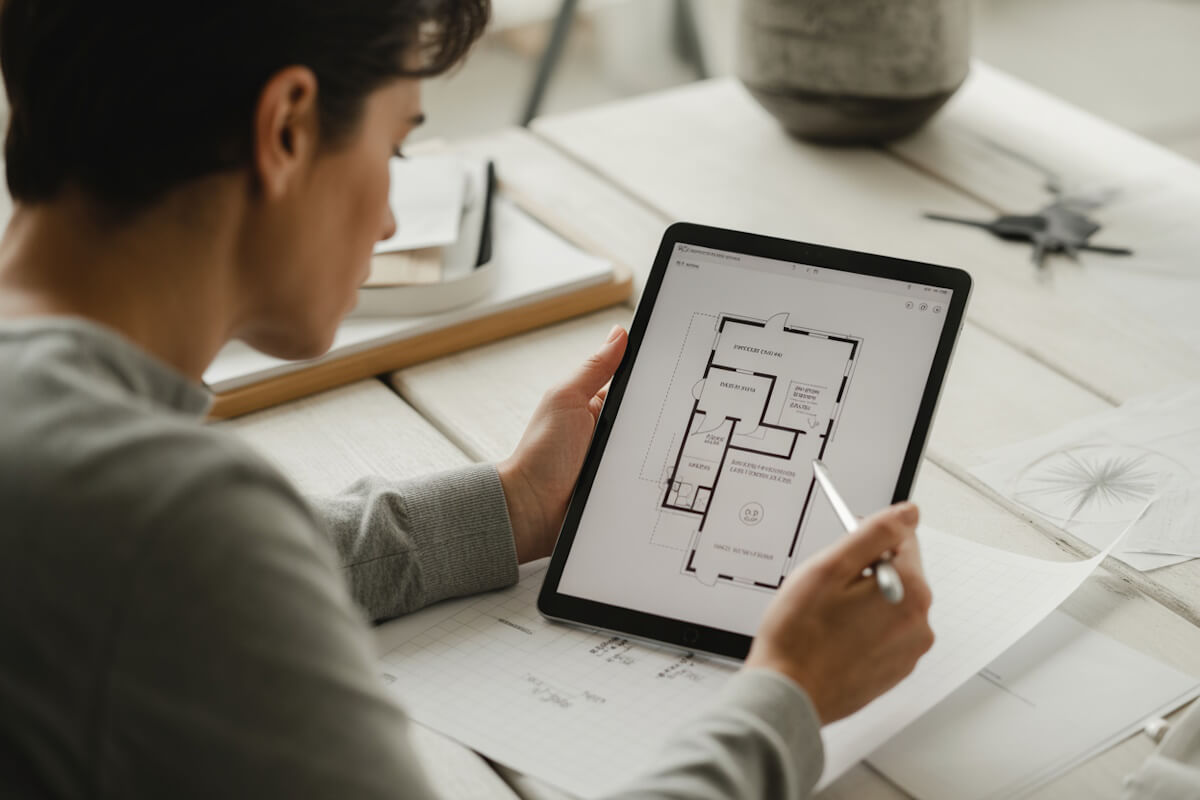
    Most users upload either a digital drawing or a photo of a printed plan. The system scans for:

    • Room labels like “Bedroom 1” or “Kitchen”
    • Wall lines and partitions
    • Doors and windows
    • Plumbing fixtures
    • Staircases
    • Balconies and terraces

    When a plan is clear, the system picks these up quickly. When the text is small or blurry, it guesses based on shapes. A square space with a bed icon is obvious, but some modern plans only show empty rectangles. In those cases, the system relies on text alone. If the labels are missing, results may feel off.

    Here is where you play a role. If you upload a clean PDF instead of a photo taken at an angle, you get far more reliable results. Even simple steps like rotating the image so north faces the right direction help the system read the plan correctly.

    The Anchoring Principle: Why Certain Zones Matter More

    Automated tools weigh some areas more heavily than others. For example:

    • Northeast is sensitive because it affects movement, clarity, and the way light enters
    • Southwest influences stability and long term decisions
    • Southeast relates to fire and heat
    • Center affects openness and ease of movement

    If a toilet sits in northeast, the system highlights it strongly. If the master bedroom is in southwest, the tool marks it as positive. When kitchen lands in northwest, results vary based on how strict the tool’s rules are, since modern homes often place kitchens there in cities like Toronto or Houston.

    These tools measure not just room type but also room usage. A guest bedroom in northeast may feel fine but a toilet in the same area gets flagged. The software follows a rule based logic that mirrors what Vastu experts look for in person.

    Room by Room: How Automated Checking Happens

    Kitchen

    The system checks:

    • Position relative to southeast or south
    • Cooking direction
    • Sink and hob placement
    • Whether the kitchen shares a wall with toilets

    Sometimes the tool also reviews ventilation and placement of heavy appliances. It does not see actual appliances but assumes their locations based on common layout patterns.

    Bedrooms

    It checks:

    • Which direction the room sits in
    • Where the bed likely sits based on the wall space
    • Window placement and airflow
    • Whether attached toilets cut into sensitive zones

    A southwest master bedroom usually scores well. A northeast master bedroom usually doesn’t.

    Toilets

    This is one of the most sensitive areas in automated analysis. The system looks closely at:

    • Whether the toilet is in northeast, center, or near main entry
    • How many toilets share the same zone
    • How plumbing lines run in relation to corners

    Entrance

    The tool scans for the main door label. If there are multiple entries, it picks the one facing the exterior. Placement in north, east, or northeast tends to score well. Doors in southwest are usually flagged.

    Living and Dining Areas

    These spaces are checked for openness and directional balance. A living room in north or east often receives a positive reading. In apartments, when the living room lands in west or south due to fixed developer plans, the tool focuses more on light availability and proportion.

    Balconies

    These are important in condos. An east or north balcony increases the positive rating. A balcony in southwest sometimes lowers it because it opens a stability zone.

    Get Instant Vastu Report

    How Automated Suggestions Are Generated

    Once the tool identifies room locations, it checks each item against a large rule bank. The suggestions you receive usually fall into three styles:

    1. Directional guidance: Example: “This bedroom sits in east. Keep the bed toward west or south walls.”
    2. Element balancing: Example: “Place heavier furniture in southwest corner of the room.”
    3. Minor layout tweaks: Many homes cannot change room placement, especially in high rise apartments. So the tool offers practical steps like shifting the stove, adjusting mirror placement, changing bed direction, or using a divider to reduce energy flow between a kitchen and entrance.

    Good tools avoid suggesting unrealistic changes like moving a bathroom or rebuilding structural walls. They focus on adjustments you can realistically handle.

    The Role of Proportion and Space Use

    Automated Vastu analysis does not just check direction. It also looks at how much space each zone occupies. If the southwest area is tiny while northeast is huge, the tool may say the home feels unbalanced.

    In condos, this often happens because developers stretch the living room into the north or east while leaving the southwest corner for small bedrooms. Automated readings capture this pattern and comment on it.

    Some systems check whether the home is too rectangular or has odd missing corners. Missing northeast or southwest corners often trigger alerts. Extra projections in southeast or northwest may also get noted.

    Where Automated Tools Do Well

    Automated Vastu analysis shines in these areas:

    • Identifying obvious directional concerns
    • Spotting toilets in sensitive zones
    • Checking main entrance placement
    • Reviewing kitchen location and cooking direction
    • Highlighting missing corners or heavy built up center areas
    • Giving practical room level suggestions based on known layout patterns

    For apartment dwellers, this is often enough. Most people are looking for help with bed direction, placement of furniture, and whether their kitchen sits in a good zone. Automated tools handle these well.

    Where Automated Tools Struggle

    Some things still need human judgment:

    • Mixed use areas that serve two functions like study plus bedroom
    • Open concept spaces that do not have clear walls
    • Homes where the plan has no directional marking and compass readings are off
    • Split level floors
    • Homes on irregular plots where the structure is not aligned with the cardinal grid

    Automated systems also cannot sense how a space feels when you stand inside it. Light quality, ceiling height, and noise levels matter a lot in Vastu. A person can observe these directly. A tool guesses.

    Apartment and High Rise Considerations

    People living in towers face unique issues:

    • Entrances often face long corridors without natural light
    • Bedrooms might sit far from sunlight
    • Balconies on lower floors may not get airflow
    • Developer plans repeat the same layout across hundreds of units

    Automated Vastu tools take the layout as given but do not know your floor height or the angle of sunlight hitting your balcony. If you are on the 17th floor, for example, certain suggestions about ventilation need context. You may ignore advice meant for ground floor homes.

    That said, direction based planning still helps. Your entrance direction stays the same regardless of floor level. So does the placement of toilets and kitchen. Even in high rise buildings, these patterns influence how comfortable the home feels.

    How Accurate Are Results?

    Accuracy depends on three main things:

    • How well your plan is read
    • Whether directions are correct
    • Whether your plan matches the actual built space

    If your drawing is outdated or you changed the interior walls, the tool gives results that no longer fit your home. Always upload the updated layout if possible.

    People often treat automated Vastu output as a yes or no verdict. It is better to think of it as guidance that helps you make practical improvements. The system is strongest when identifying clear trouble spots like a northeast toilet or a southwest balcony. It is softer on nuanced points like bed placement or window alignment.

    Improving Results With Better Input

    You can help the tool by preparing your file well.

    Try these steps:

    • Use a clean, high resolution plan
    • Mark north before uploading if the plan does not show directions
    • Add room labels if they are missing
    • Avoid photos taken at an angle or in dim lighting
    • Rotate the image so it sits level

    When the system reads your plan without confusion, your results feel far more helpful.

    Real Vastu Practice vs Automated Output

    Automated Vastu analysis follows general rules. Real world Vastu practice uses the same rules but also accounts for light quality, street direction, window height, room usage, and the way people move through the home.

    For example:

    • Two kitchens in southeast might behave differently depending on ventilation
    • A northeast living room can feel heavy if it has low ceilings
    • A southwest bedroom can still feel unstable if it shares a wall with noisy elevators
    • A north entrance might not help much if the corridor outside is dark

    Automated systems do not catch these factors. They offer a grounded starting point. You add your own lived experience to refine the advice.

    Why These Tools Are Gaining Popularity

    People like fast answers. Home buyers often want to check 10 or 20 layouts in a weekend. Real estate agents want quick feedback before showing a property. Renovators want to know if moving a door helps or hurts.

    Automated Vastu tools provide:

    • Quick screenings
    • Direction based checks
    • Room layout insights
    • Practical placement advice

    They cut down on guesswork. They also help you avoid long PDF reports that feel too repetitive. You get straight to the point.

    Making Sense of the Final Report

    Most tools end with a summary. You probably see:

    • A directional chart
    • Ratings for each room
    • Room specific suggestions
    • Notes on major concerns

    Read the report in layers. First, look at the directional chart. Then check toilets and kitchen. After that, read the bed direction and furniture suggestions. Save decorative notes for last.

    It is easy to get overwhelmed with too many suggestions. Focus on two or three changes that make the biggest difference. Small steps go a long way.

    Start Your Free Vastu Analysis

    Final Thoughts

    Automated Vastu analysis has become a useful tool for people who want clear answers without waiting. When used correctly, it helps you understand your home with fresh eyes. It gives quick direction based clarity and highlights the spots that need attention. It is not perfect, but it is practical.

    You bring the final judgment based on how you live, what feels comfortable, and what you can realistically change. When both sides work together the digital reading and your lived experience you get a home that feels balanced and grounded without guesswork.

  • How Digital Vastu Reports Improve Real Estate Decisions for Buyers and Realtors

    How Digital Vastu Reports Improve Real Estate Decisions for Buyers and Realtors

    Digital Vastu reports have changed the way people look at homes, especially in cities where every square foot matters. You might be searching for a condo in a crowded market, trying to sell a suburban property, or helping a client make sense of a builder’s layout. In all those moments, a quick, clear Vastu view saves you from a lot of guesswork. These reports bring traditional principles into a format that feels practical for the kind of homes people live in now. Buyers want clarity. Realtors want smoother transactions. Digital Vastu information gives both sides a stronger handle on what a layout means for daily life.

    Why Vastu Still Matters to Modern Buyers

    People care about comfort. They care about direction for simple reasons like where the sun hits, how the airflow feels, and how the interior supports rest and focus. When a layout goes against those natural patterns, a home feels off. You might not be able to explain why, but you sense it. Digital Vastu reports translate these concerns into something easy to read. You don’t need to be an expert. You just want to know if the master bedroom works in the southwest, if the kitchen is placed right, or if that northeast cut is a small issue or a major concern.

    Vastu never meant to restrict people. It simply pays attention to how space and direction affect the atmosphere of a home. When you study neighborhoods full of standard builder plans, you notice the same problems repeat. Bedrooms squeezed in odd corners, kitchens facing strange directions, missing corners, and toilets in places that feel awkward. A digital report points these out in a matter-of-fact way so you can respond to them instead of guessing.

    How Buyers Use Digital Vastu Reports

    Buyers don’t always know what to look for when checking Vastu. Many assume they can only rely on a consultant, but with digital assessments they can start sorting properties even before scheduling a site visit. This saves time and energy because you filter out the layouts that obviously don’t fit your comfort level.

    1. Comparing multiple listings fast

    In competitive markets, you might view ten listings in two days. After a while, they blend together. A digital Vastu analysis breaks them apart again. You see which homes have stronger directional placement and which ones come with practical corrections. This helps you rank properties instead of trying to remember details.

    2. Understanding problem areas immediately

    Maybe the northeast corner is missing. Maybe the main entrance sits in a zone people consider weak. Maybe the kitchen falls in the north which feels off for you. The report brings these points out clearly. You see the severity level and possible fixes. Many buyers feel relieved when they learn that some issues are minor and workable.

    3. Feeling more confident when negotiating

    When you know exactly what is off, you stand in a better position to negotiate pricing or request certain adjustments. If a layout requires changes, you can show the seller or builder a simple list taken from the digital report. This gives you a grounded starting point during discussions.

    4. Making decisions faster

    The choices become clear. You don’t get stuck wondering whether a flaw is deal breaking. Digital Vastu reports offer a straightforward interpretation that helps you move toward a yes or no without dragging the process.

    How Realtors Benefit From Digital Vastu Reports

    Realtors handle different types of buyers. Some insist on strong Vastu. Others are flexible. Some don’t know anything about directions but still want their home to feel balanced. Digital reports help realtors serve all groups without needing long explanations.

    1. Reducing confusion during property tours

    Realtors often answer the same questions over and over about directions and zone placements. Instead of giving vague answers, they can share a digital assessment along with the floor plan. This builds trust because they show they have nothing to hide.

    2. Helping clients filter options realistically

    Some buyers say they want perfect Vastu even when their budget or preferred neighborhoods rarely offer it. A digital report lets the realtor walk them through practical compromises. For example, you can explain that the entrance is fine even if it’s not in the ideal segment, or the toilet near the southwest area has a harmless adjustment. It gives clients a grounded way to approach tight choices.

    3. Supporting smoother transactions

    When both seller and buyer understand the Vastu picture upfront, negotiations go easier. Realtors often deal with last minute hesitation from buyers who suddenly worry the layout might not be suitable. Digital reports calm those fears early so deals don’t fall apart.

    4. Adding clarity to builder floor plans

    Builders love compact layouts that maximize saleable space but they rarely think about direction zoning. Realtors showing such properties sometimes struggle to explain how the layout behaves from a Vastu point of view. A digital report fills those gaps. You can point to exact spots where the design works well and where minor fixes can help.

    Digital Reports Fit Modern Home Types

    City homes don’t always offer textbook Vastu. High rise apartments use stacked plans. Townhomes stretch vertically. US and Canada houses may have deep lots with asymmetric shapes. Digital reports factor these elements into practical recommendations.

    High rise apartments

    Stacked units make it hard to change placement of rooms. Entrances face hallways instead of open space. Balconies may not follow ideal directions. A digital report measures the workable zones based on the tower’s orientation. It shows the real strengths that come from airflow or natural light, even when the textbook classic layout isn’t possible.

    Condos with open kitchens

    Open kitchens often blend into living rooms. Many buyers worry how this affects energy in the home. A digital report clearly marks the kitchen zone and gives you a sense of whether the placement supports activity. Sometimes a small divider or simple placement of appliances brings balance back.

    US and Canada suburban homes

    These homes bring large garages, deep basements, and wide living spaces. Garages often fall in the northwest or west which can be acceptable if the entrance to the main house sits in a stable zone. Basements may need extra attention as they lie lower than ground level. Digital Vastu reports give clear direction on how to use those spaces so they don’t disrupt the overall feel.

    Homes with irregular plots

    People often worry that irregular shapes bring problems. Digital reports measure the shape zone by zone so you stop guessing. Maybe the missing piece falls in a neutral direction and needs no major fix. Or maybe the extended part creates an advantage you didn’t even notice.

    How Digital Vastu Reports Are Created

    The process is technical in the background but simple for the user. You upload a floor plan or share room measurements. The digital tool maps directions, divides the space into zones, and checks where each room sits. Then it lists the strengths, weaknesses, and possible remedies.

    This approach removes human bias. It doesn’t care if the home looks beautiful or if the layout seems popular. It only reads direction and placement. At the end, you get a report that feels like a clean scan of the property.

    The format usually includes:

    • Entrance zone
    • Kitchen direction
    • Master bedroom location
    • Position of toilets
    • Balcony placement
    • Important corners
    • Shapes or cuts in the plot
    • Key strengths and workable corrections

    When you read these details, you get a picture of how the home will feel in day to day life.

    Run a Quick Vastu Report

    Benefits That Stand Out for Both Buyers and Realtors

    1. Faster filtering and better shortlisting

    Instead of debating for hours, you can eliminate properties that don’t meet your simple needs. Many buyers save days of searching with this approach. Realtors appreciate this because they avoid showing properties that will immediately be rejected for directional issues.

    2. Clearer understanding of strengths

    Every property has one or two strong points. Maybe the northeast is open. Maybe the southwest room is perfect for the main bedroom. A digital report highlights these points so buyers do not overlook them.

    3. Realistic view of weak zones

    Weak areas don’t always cause big trouble. Many are minor. But without clear information, people panic. Digital Vastu reports show whether the issue is mild or serious. This helps you stay level headed during decision making.

    4. Practical corrections

    People usually think corrections are complicated or expensive. In today’s homes, corrections often come down to placing furniture right, using the correct zone for heavier activity, or shifting certain items. When homeowners see simple fixes listed clearly, they feel relieved.

    5. More trust during buying and selling

    Trust drives real estate deals. When a realtor shows a transparent, organized Vastu assessment, buyers appreciate the honesty. When buyers show up prepared with their own digital report, sellers see that they are serious and grounded. This smooth approach cuts down confusion on both ends.

    Digital Vastu Reports in Pre Purchase Stages

    Buyers often check locations, resale values, and schools long before they check Vastu. But Vastu affects daily comfort. When you add a digital report in the early stages, you reduce surprises later.

    For example, you might like a home because of price and neighborhood, but the southwest zone may be too light. Instead of discovering this after making a verbal commitment, you catch it early. Then you can decide whether it’s something you can fix or if you should move on.

    Realtors gain from this too. If they include digital reports in the listing package, they attract Vastu conscious buyers who may not have considered the property otherwise. It increases transparency and encourages quicker decisions.

    Digital Reports for Existing Homeowners

    Even if you’re not buying, a digital Vastu assessment helps you understand how your home behaves. Many people live for years without knowing why certain rooms feel heavy or restless. When you get a digital scan, you understand the pattern. This helps with future renovations or room reassignments.

    Existing homeowners sometimes use these reports before renting out their property. They want the home to feel comfortable for tenants and reduce complaints related to layout. A simple digital assessment gives direction for small tweaks that keep the home balanced.

    How Digital Vastu Reports Support Renovation Planning

    Renovations look simple on paper but every change affects the energy pattern of a home. Moving the kitchen to an odd direction or shifting a bedroom wall can change how a space feels. A digital report gives clear zoning early so you don’t commit to changes that make the layout worse.

    For example:

    • If you plan to shift the entrance, you can check which segment lands in a stable zone
    • If you want to convert a den into a bedroom, you can see whether the direction supports rest
    • If you want an island kitchen, you can check how the cooker placement interacts with the main zones

    This style of planning saves you from costly corrections later.

    Digital Vastu in Rental Markets

    Tenants usually prefer move in ready homes. They rarely have time for major changes. Digital reports help landlords offer clarity upfront. If a layout has minor issues, the report may offer simple adjustments like placing the bed in a certain direction or adding a specific light source. Tenants feel that the attention to detail makes the home more comfortable.

    Realtors also gain from this when renting units in high demand areas. Sharing a quick Vastu view helps tenants commit faster because it answers concerns that usually slow them down.

    Bringing Clarity to Commercial Spaces

    Digital Vastu reports aren’t just for homes. Offices, retail spaces, and clinics benefit too. Commercial buyers and tenants often look for stable zones for workstations, cabins, or counters. A digital report maps these zones without long interpretations.

    This helps business owners plan seating, storage, and activity flow. For example, putting heavy storage in a weak direction may feel off. Placing staff in a zone that supports focus can improve the workplace feel. Digital clarity saves time during interior planning and avoids decisions that later cause discomfort.

    Try Your Free Vastu Check

    The Real Strength of Digital Vastu Reports

    The biggest advantage is clarity. When you know exactly where each room stands from a directional point of view, you make decisions with confidence. No confusion. No conflicting opinions. No vague interpretations. You get a layout scan that is simple to understand and easy to apply, whether you are buying, selling, renting, or renovating.

    Digital Vastu reports give you a snapshot of the property’s natural behavior. They help you respond to problems without overthinking. They also highlight strengths that often go unnoticed. By using them early, you move through real estate decisions with a clear head.

    If you’re serious about making smart choices in your next real estate move, bringing a digital Vastu assessment into the process makes your job easier. It saves time and avoids second guessing. And in a world where properties change hands fast, having this clarity puts you a step ahead.