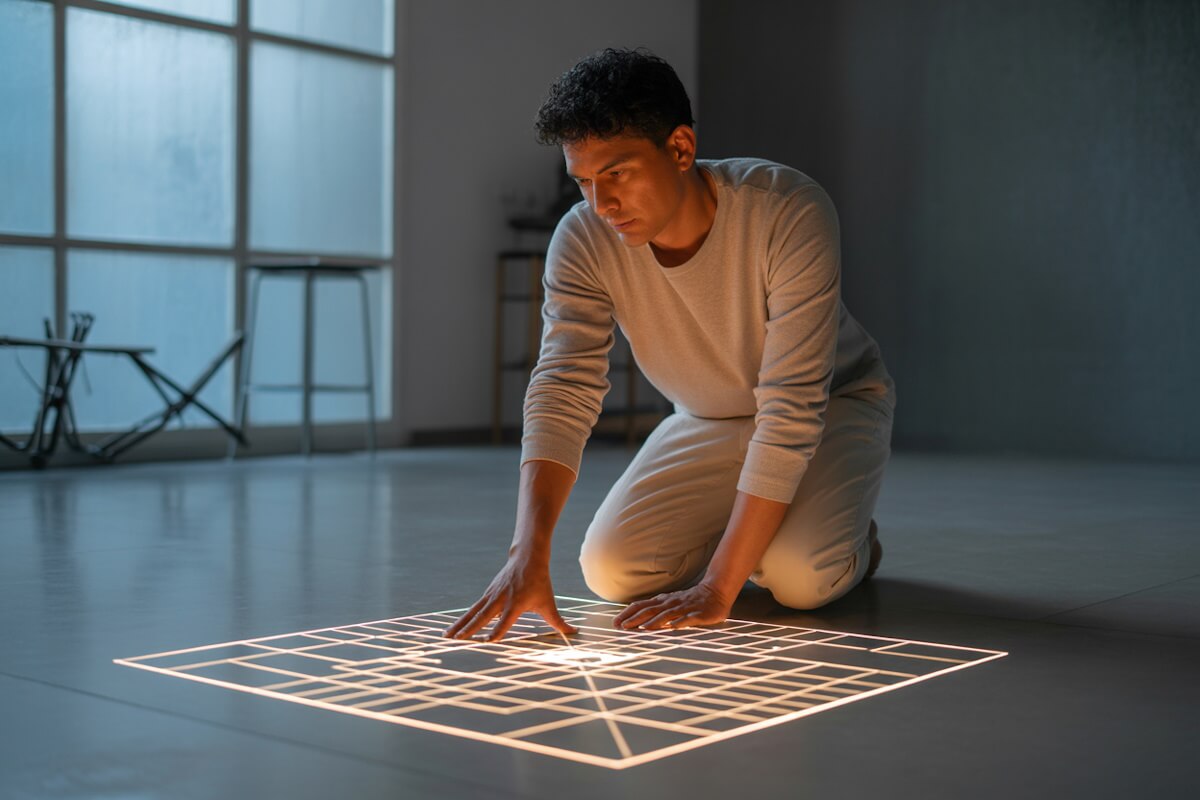
The Vastu Purusha Mandala sits at the heart of Vastu Shastra. You might have heard people refer to it as the energy map, the core layout, or the original template for planning any space. Whatever the phrase, the idea is the same. It gives structure to how energy moves in a home, office, shop, apartment, or any built form.
This article breaks down the Mandala in a way that helps you apply it to real spaces you use every day. No mystical fog. No heavy theory. Just clear guidance rooted in what people deal with while buying, renting, building, or upgrading property.
What the Vastu Purusha Mandala Really Represents
At its simplest level, the Mandala is a square grid. The square stands for balance and stability. Inside that square sits the Vastu Purusha – the symbolic body whose orientation guides how different zones behave. Every part of this grid connects to directions, deities, and natural forces.
The most common version used for home design is the 9 by 9 grid called the Paramasayika Mandala. It has 81 squares, each representing a specific energy zone. There are other variations, but for modern buildings, this one gives enough clarity to plan rooms and functions without confusion.
When you place the Mandala on a property, the orientation stays fixed. North stays north. East stays east. You do not rotate it just to match convenience. That fixed template becomes your reference to decide which area should hold what.
The value of this approach shows up the moment you try to set up rooms in a small apartment or arrange work areas in a commercial unit. Even when you cannot follow Vastu perfectly, this grid helps you pick the most supportive zones instead of guessing.
The Core Idea Behind the Grid
The Mandala divides the plot into directional sectors. Each sector has its own nature. You can call it temperament. Some are active. Some are calm. Some are good for storage while others boost social interaction or mental clarity.
The center of the grid, called Brahmasthan, stays open or light. Even in compact apartments where you cannot keep the middle empty, the idea is to reduce clutter and allow movement. That space carries neutral, steady energy. Heavy objects here tend to create a dragged feeling in day to day life.
From the center, zones radiate outwards. For example:
- The northeast corner holds the lightest energy.
- The southwest holds the heaviest.
- The southeast runs hot.
- The northwest moves like wind.
You may already see how this lines up with daily activities. Some tasks need focus. Some need stability. Some need motion. Some need heat.
Once you start seeing the grid as a map of behaviors, the Mandala becomes practical instead of abstract.
How the Vastu Purusha Fits Into the Grid
If you look at the traditional diagram, the Vastu Purusha lies on his stomach with his head in the northeast and his feet in the southwest. His arms spread across the northwest and southeast. This orientation is symbolic, but it reflects how energy flows.
Head zone is delicate and sensitive. That is why prayer areas, meditation corners, libraries, and clean open areas work well in the northeast.
Feet zone is strong and grounded. That is why storage, master bedrooms, safes, important documents, and long term items work better in the southwest.
Hands reflect activity and force. The southeast hand relates to fire, which ties naturally to kitchens. The northwest hand relates to movement, which suits guest rooms, marketing rooms, logistics areas, and things that involve rotation or turnover.
This body map becomes a guide for room placement. It may feel old, but it lines up surprisingly well with modern life. Energy behavior has not changed just because buildings have become taller.
Applying the Mandala to Homes
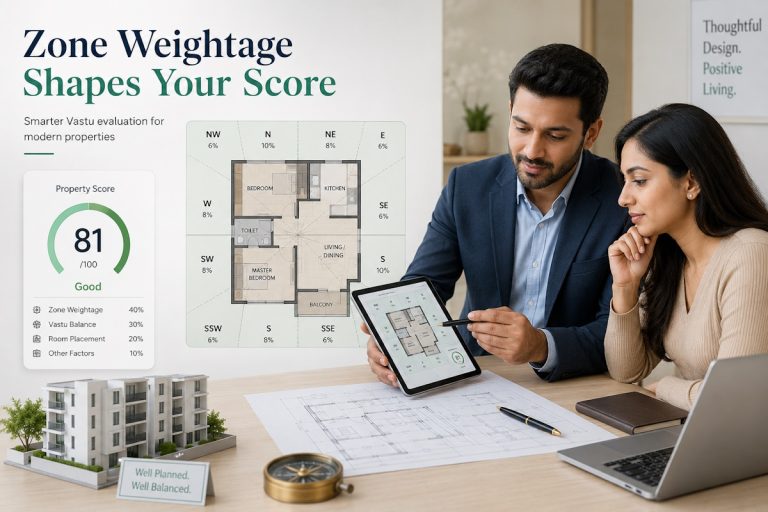
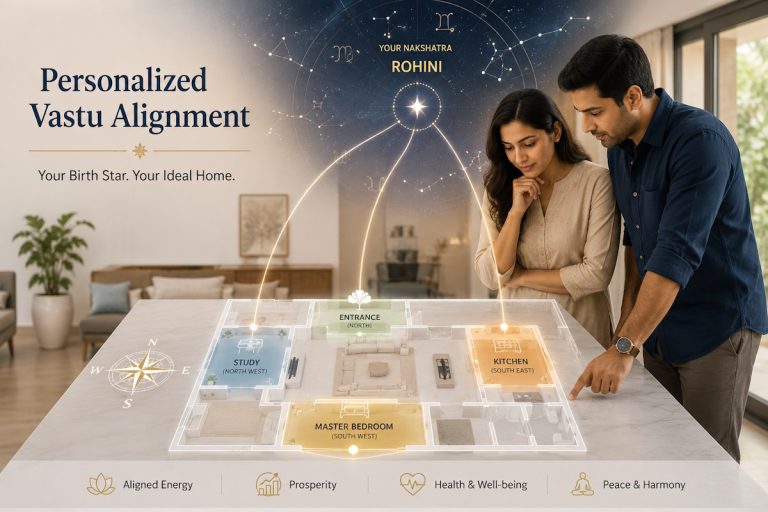
Every home, no matter the size, has a version of the Mandala hidden within it. Even if your townhouse, condo, or apartment is irregular, you can still place the 9 by 9 grid over it. You simply align north and let the grid cut through whatever shape the property has.
Then you watch where each room falls.
Northeast in Modern Homes
This corner runs best when kept clean and light. You do not need a full prayer room. Even a simple open corner, a small bookshelf, or a window seating spot works fine.
Avoid heavy storage here. Large TV units tend to feel off in this area. If your main entrance falls here, that is generally positive because it brings in uplifting energy. Many homes in North America have northeast-facing foyers, which usually feels good.
East and North
Both these directions act friendly with natural light. East is tied to clarity and daily rhythm. North is tied to growth and movement. Workspaces, study tables, or family gathering areas fit comfortably here because these zones support mental activity and social flow.
If your kitchen accidentally ends up in the north, you may feel rushed mornings and scattered routines. You can correct the feeling using lighter colors, healthy daylight, and a clean layout.
Southeast
This is the fire corner. Ideal for kitchens. If your kitchen falls elsewhere, you still need to handle the southeast well. Keep it active but clean. Avoid placing heavy water elements here. In apartments where you cannot shift the kitchen, you adjust by balancing light, heat, and storage.
South and Southwest
These zones carry more weight. They support stability, authority, and grounded tasks. Master bedrooms and long term planning rooms usually perform better here. If you place children’s rooms in the southwest, you may find them becoming stubborn or unresponsive.
Storage works well here. Safes, legal papers, long term valuables, and heavy furniture feel naturally settled.
West and Northwest
The northwest section supports movement. Guest rooms, family members who travel often, marketing teams, or logistics work fit naturally here. In homes, laundry rooms and guest bathrooms often land in the northwest, which is fine.
The west zone supports comfort and passive activities. Dining areas, living rooms, and entertainment setups can sit here without trouble.
Center or Brahmasthan
Open spaces help the home breathe. Many modern homes place staircases here, which tends to create a cramped feeling. If you cannot avoid it, keep the area tidy and light. Avoid placing heavy closets in the central zones of smaller apartments.
Applying the Mandala to Apartments and Condos
Most people today live in multi-floor apartments where Vastu becomes trickier. You cannot choose the exact plot shape. You cannot shift the building’s staircase or elevator. The best approach is to focus on the internal layout.
The Mandala helps you do that without stress.
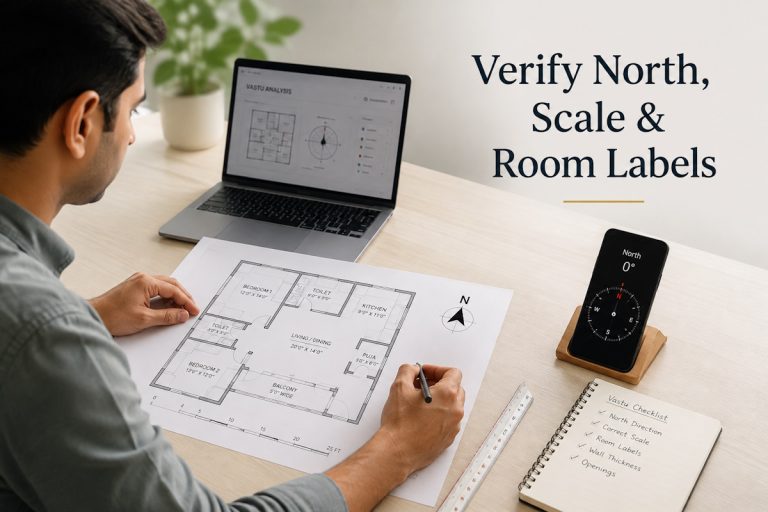
Start by overlaying the grid on your unit floor plan. If the northeast corner falls in your neighbor’s apartment, that is completely normal. You focus only on the inside of your walls.
If your entrance door lands in a weaker direction, you use the inner layout to balance. For example, a southeast entrance is common in condos. You can still support your home by keeping the northeast inside the unit open and clean.
If the balcony falls in the northwest or west, airflow will be stronger and you may notice more frequent visitors or social movement. If the balcony is in the south, use plants and shade to soften the strong sun.
High rise homes usually break many classical rules, but the Mandala still works because orientation stays the same. Light, heat, pressure, airflow, and movement follow these natural zones regardless of height.
Applying the Mandala to Offices and Commercial Units
Commercial properties benefit a lot from the Mandala, often more than residential spaces. Companies rely heavily on behavior, stability, and flow. A small shift in layout creates noticeable changes in work quality.
Reception areas usually work best in the east or north. They feel welcoming, bright, and approachable.
Core operations or leadership rooms hold steady in the southwest. Accounts departments also sit well here because the zone supports responsibility and long term thinking.
The northwest is perfect for sales, marketing, dispatch, or anything that needs rotation. If you place long term staff here, you may see quicker job changes or reduced attention spans.
The southeast works well for server rooms, cafeterias, and high activity zones. It carries fire energy, so overheating or electrical clutter tends to show up faster. Controlled design helps keep things smooth.
The central zone works best when kept open. Glass partitions are fine because they preserve light movement.
What Happens When Layouts Don’t Match the Mandala
Most modern buildings cannot follow perfect placement. You might wonder if the Mandala becomes useless then. Surprisingly, no. It acts more like a compass. Even if you cannot follow every direction, you still know where the support comes from.
For example:
If your bedroom sits in the northeast, you may feel slow mornings or occasional restlessness. You can balance the space with softer colors, minimal electronics, and natural light.
If your kitchen sits in the north, you reduce clutter and tighten your daily routine.
If your master bedroom falls in the northwest, you may see instability. You can correct this by adding grounding elements like heavier furniture and warm tones.
The Mandala helps you identify the natural temperament of the space so your corrections become smarter instead of random.
Common Misunderstandings About the Mandala
Some people think the Mandala forces you to build only square homes. Not true. The Mandala is a reference grid, not a construction order. Even irregular plots can use it.
Some believe that if one zone is wrong, the whole property fails. Again, not accurate. Homes are flexible. People adjust. The Mandala simply shows where stress may rise so you can manage it.
Another misconception is that you must follow traditional Indian architecture. Modern condos, US homes, Canadian townhouses, and mixed-use commercial areas can all apply the Mandala without cultural limitations.
The Mandala is about natural forces. Those forces exist everywhere.
Bringing It All Together
The Vastu Purusha Mandala works because it gives structure to the invisible patterns you already experience. You may notice that some corners of your home feel light and refreshing while others feel slower. Some rooms encourage talking. Some rooms encourage sleep. Some parts feel cluttered even when they are clean.
That is the Mandala at play.
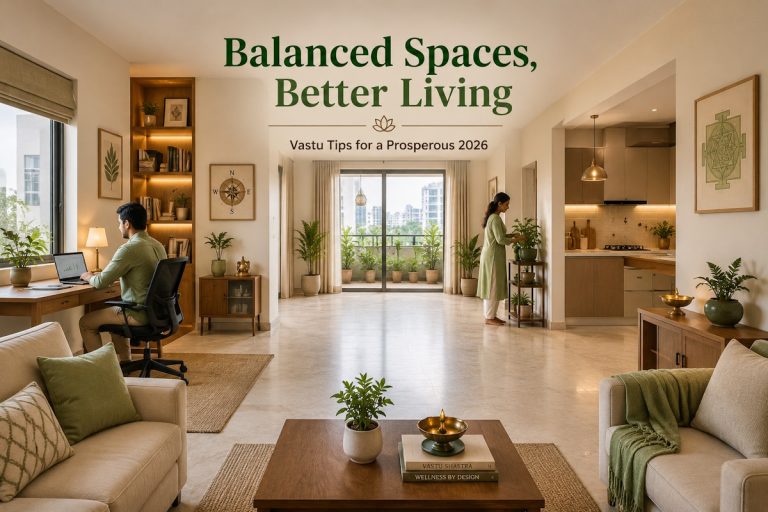
Once you know how the grid falls on your property, you can plan furniture, colors, activities, and movement with more purpose. You do not need perfect alignment. You only need awareness.
Homes and offices feel better when each zone carries a task that suits its natural energy. That simple match creates ease. And ease is what good design aims for.
If you want, I can help map the Mandala onto your floor plan. Just share a rough layout and where north is.