The kitchen is often described as the heart of a residence, but in the context of spatial energy and ancient sciences, it is much more than a symbolic center. It is the primary site of transformation where raw ingredients are converted into life-giving energy through the application of heat. In the framework of Vastu Shastra, the kitchen is the physical manifestation of the fire element, or Agni. When you evaluate kitchen vastu for home, you are essentially looking at how to harness this transformative power to support the vitality, longevity, and prosperity of everyone living under your roof.
Many modern homeowners treat the kitchen as a mere utility zone, focusing strictly on aesthetics, modular fittings, and ergonomics. However, the placement of your cooking stove, the sink, and the overall orientation of the room can have profound effects on your family’s metabolic health and mental clarity. A kitchen that is misaligned with natural energetic flows can lead to persistent health issues, digestive troubles, and even financial instability. Understanding the logic behind fire element placement is the first step toward creating a home that nurtures rather than drains its occupants.
The Fundamental Role of Fire in the Domestic Sphere
Fire is one of the five primordial elements that constitute the universe and our physical bodies. In a home, the kitchen is where this element is most active. Vastu science suggests that when the fire element is placed in its designated zone, it creates a supportive environment for the inhabitants. Conversely, if fire is placed in a zone governed by water or air, it creates an elemental conflict that manifests as stress or physical ailment.
Why the Fire Element Governs Metabolism and Wealth
In traditional Vastu philosophy, the fire element is directly linked to the solar plexus chakra in the human body, which governs digestion and personal power. By extension, the kitchen vastu for home determines how well the family digests not just food, but also life experiences and financial opportunities. A balanced Agni ensures that the family has the energy to pursue their goals and the clarity to manage their resources effectively.
Connecting Agni to Physical Health
The quality of the food cooked in a kitchen is influenced by the vibrations of the space. When the kitchen position as per vastu is correct, the fire element works in harmony with the surrounding energies. This results in food that is more “pranic” or life-giving. If the fire is misplaced, it can become “aggressive,” leading to issues like acidity, inflammation, and irritability among family members. This is why Vastu practitioners often look at the kitchen first when a client complains of chronic lethargy or digestive disorders.
The Psychology of the Cooking Space
The person cooking the meals is the primary conduit for this energy. If the chef is facing a direction that is unsupportive, such as the South or West, their internal state may be compromised. A well-aligned kitchen ensures that the cook remains calm, focused, and positive, which directly impacts the quality of the nourishment provided to the family. This psychological and energetic connection is a cornerstone of professional Vastu consultation.
Determining the Best Kitchen Position as per Vastu
The orientation of the kitchen within the overall floor plan is the most critical decision a homeowner or architect can make. Vastu divides a property into various energy zones, each governed by a specific deity and element. For the kitchen, the goal is to find the zone that naturally supports heat and transformation.
The Dominance of the Southeast Quadrant
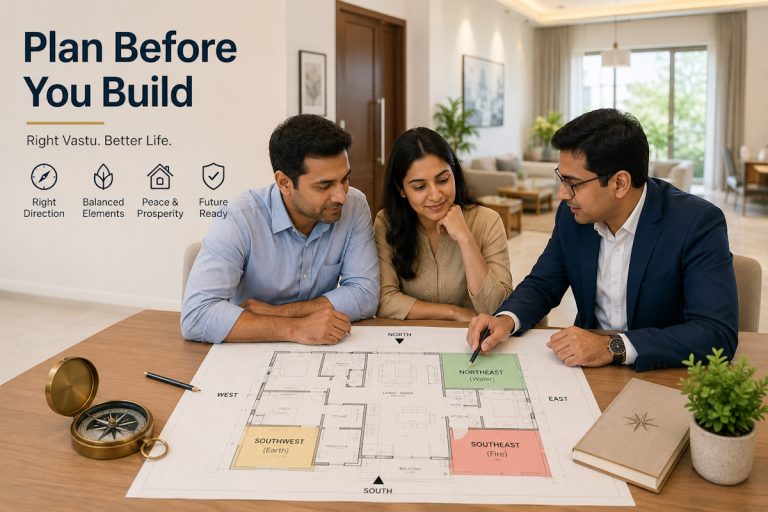
The Southeast direction is governed by Agni, the Lord of Fire. Therefore, southeast kitchen vastu is considered the gold standard for residential properties. This quadrant receives a healthy amount of morning sunlight, which is rich in UV rays that naturally disinfect the kitchen and help in the synthesis of Vitamin D. Energetically, this corner provides the most stable foundation for the fire element placement, ensuring that the heat remains contained and constructive.
Why Southeast Kitchen Vastu is Recommended
When the kitchen is located in the Southeast, it aligns the household with the natural movement of the sun. As the sun moves toward the South, its heat intensity increases. Placing the kitchen here ensures that the “fire” of the sun complements the “fire” of the stove. This alignment is believed to bring financial growth and ensure that the female members of the house, who traditionally spend significant time in the kitchen, remain healthy and vibrant.
The Secondary Option: The Northwest Zone
In modern apartments where a Southeast placement might not be possible due to plumbing stacks or structural constraints, the Northwest is often cited as a viable alternative. This zone is governed by the air element (Vayu). Since air supports fire, a kitchen here is considered manageable, provided the internal layout is strictly controlled. However, a Northwest kitchen requires specific remedies to prevent the “wind” from making the household finances or health too volatile.
Internal Layout and Fire Element Placement
Even if the kitchen is in the correct corner of the house, the internal placement of appliances and utilities can make or break the energy of the space. Vastu is a science of micro-management, where every few inches can change the elemental balance.
The Critical Relationship Between Stove and Sink
One of the most common errors in modern kitchen design is placing the stove and the sink in close proximity or directly opposite each other. Fire and water are opposing forces. When they are placed together, they create a “clash” that can lead to frequent arguments in the house, health issues related to the heart or blood, and unexpected expenses. Professional kitchen vastu for home guidelines suggest maintaining a minimum distance of three feet between the cooking range and the washbasin.
Separating Fire and Water Elements
Ideally, the stove should be in the Southeast corner of the kitchen room itself, and the sink should be in the Northeast or North. This keeps the water element (sink) in its rightful place and the fire element (stove) in its own. If your counter space is limited, using a small wooden divider or a green stone between the two can help neutralize the elemental conflict. This is a practical, non-invasive remedy that avoids the need for major renovations.
Directional Facing While Cooking
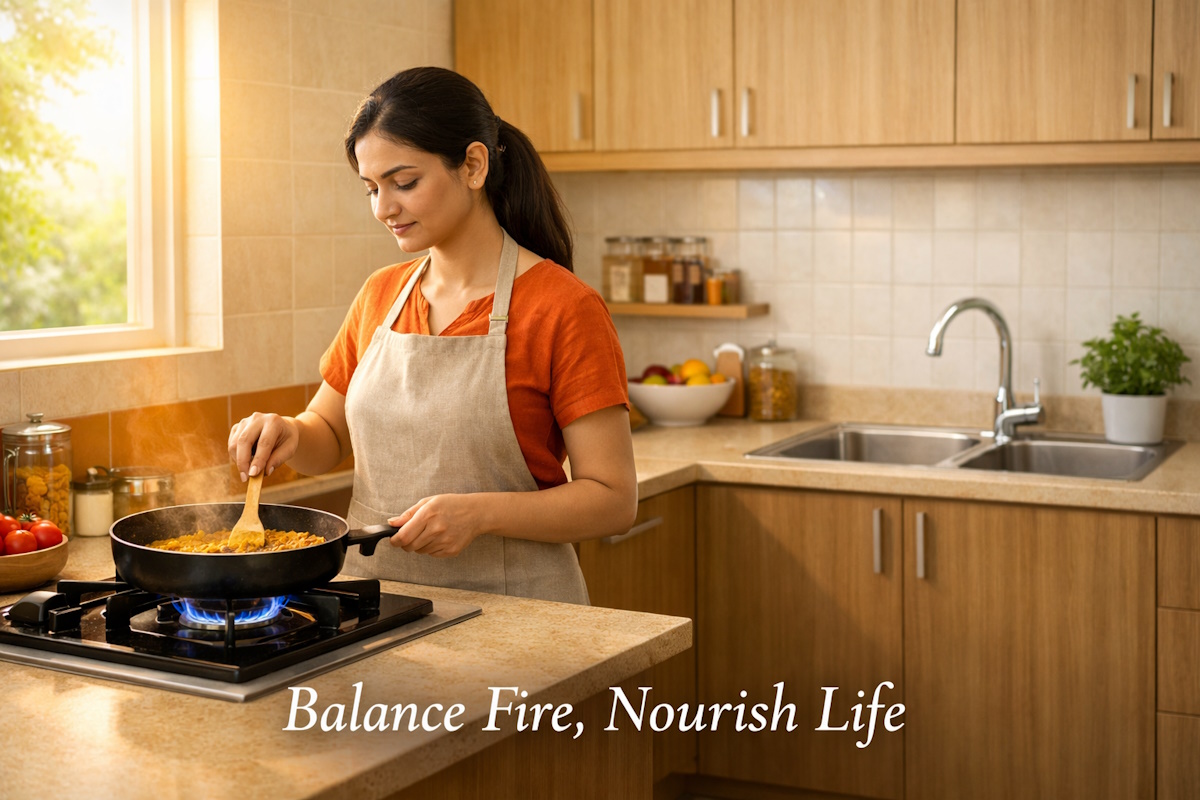
The direction the cook faces is just as important as the stove’s location. The most auspicious direction is East. Facing East while cooking is said to improve the health of the cook and infuse the food with solar energy. Facing South can lead to health issues for the cook, while facing West may lead to financial drains. If your kitchen layout forces you to face a non-ideal direction, a simple mirror or a specific Vastu plate can be used to correct the orientation virtually.
Modern Challenges in Apartment Kitchen Vastu for Home
In today’s urban landscape, high-rise apartments and studio flats often present significant Vastu challenges. Shared walls, fixed plumbing lines, and open-plan layouts mean that the ideal kitchen position as per vastu is frequently compromised. However, Vastu is a flexible science that offers solutions for these modern constraints.
Open Kitchen Layouts and Energy Leakage
The trend of open kitchens, while aesthetically pleasing and spacious, can sometimes lead to the “leakage” of fire energy into the living or dining areas. If the kitchen is visible directly from the main entrance, it is believed to invite “evil eye” or simply cause a drain on the family’s wealth. To counter this, many practitioners recommend using a breakfast island, a half-wall, or even a decorative screen to create a subtle energetic boundary between the kitchen and the rest of the home.
Addressing Studio Apartment Constraints
In small studio apartments, the kitchen might be located in the North or Northeast, which are water-heavy zones. This is a significant Vastu dosha as fire in a water zone can “drown” the family’s prosperity and lead to mental stress. In such cases, professional Vastu consultants use color therapy—such as adding shades of green or brown—to act as a “wood” element that bridges the gap between water and fire. This prevents the fire from being extinguished by the North’s water energy.
The Influence of Colors and Aesthetics on Kitchen Energy
Color is a powerful tool in Vastu because every hue corresponds to a specific frequency and element. The colors you choose for your kitchen cabinets, countertops, and walls can either amplify the fire element or suppress it.
Choosing Vastu-Compliant Hues for the Southeast
For a kitchen located in the Southeast, shades of red, orange, pink, and maroon are excellent for accent pieces as they resonate with Agni. However, since these colors can be overwhelming if used in excess, a base of cream, beige, or off-white is recommended. These neutral tones provide a balanced canvas that allows the fire element to thrive without becoming aggressive. Avoid using too much white, as it represents the metal element, which can clash with the wood energy that supports fire.
Avoiding Conflict Colors Like Blue and Black
The most dangerous colors for a kitchen are blue and black. These colors represent the water and space elements, respectively. Incorporating blue cabinets or a black granite countertop in a southeast kitchen vastu setup can create a functional “extinguisher” for your fire energy. This often manifests as a lack of career growth or a “chilled” atmosphere in family relationships. If you already have these colors, using a green marble slab under the stove can help mitigate the negative effects.
Material Selection and Energy Conductivity
The materials used in the kitchen also play a role. Natural stone, wood, and clay are preferred over purely synthetic materials. A quartz or marble countertop is generally better than a plastic laminate, as natural materials hold and radiate energy more effectively. For the fire element placement to be most effective, the platform should ideally be made of a stone that is not purely black, such as a brown or grey granite.
Practical Remedies for Vastu Imbalances in the Kitchen
If you have discovered that your kitchen is not in the ideal position, there is no need for panic or immediate demolition. Vastu science provides several non-invasive remedies that can help balance the energy of a misplaced kitchen.
Using Elemental Balancers for Misplaced Kitchens
If your kitchen is in the North or Northeast, the fire is essentially “drowning.” To fix this without moving the kitchen, you can place a piece of green marble under the gas stove. The green color represents the wood element, which consumes water and fuels fire, thereby acting as a protective buffer. Similarly, if the kitchen is in the Southwest, which is the earth zone, adding yellow accents can help stabilize the energy and prevent the fire from “burning through” the family’s stability.
The Role of Pyramids and Crystals in Correction
Vastu pyramids, specifically those made of copper or lead, can be installed in the ceiling or under the floor to “virtually” shift the energy of a room. For a kitchen that is not in the Southeast, placing a copper Agni pyramid in the Southeast corner of the kitchen can help simulate the fire element’s presence. Similarly, certain crystals like citrine or carnelian can be placed in the kitchen to enhance the warmth and vitality of the space.
Aromatherapy and Cleanliness
Never underestimate the power of cleanliness in Vastu. A cluttered kitchen leads to cluttered energy. Keeping the stove burners clean and functional is a direct way to respect the fire element. Additionally, using natural citrus or lemon scents can help clear out “stagnant” energy and keep the fire element vibrant and fresh. These simple habits, combined with correct kitchen vastu for home, can significantly improve the overall vibe of the house.
Advanced Vastu Considerations for Long-Term Wellbeing
As we have explored, the kitchen is more than a utility; it is a spiritual and energetic powerhouse. By aligning your kitchen with the natural laws of Vastu, you are not just following a tradition—you are optimizing your environment for health, wealth, and peace. Whether you are building a new home or looking to improve your current apartment, focusing on the fire element is one of the most rewarding investments you can make.
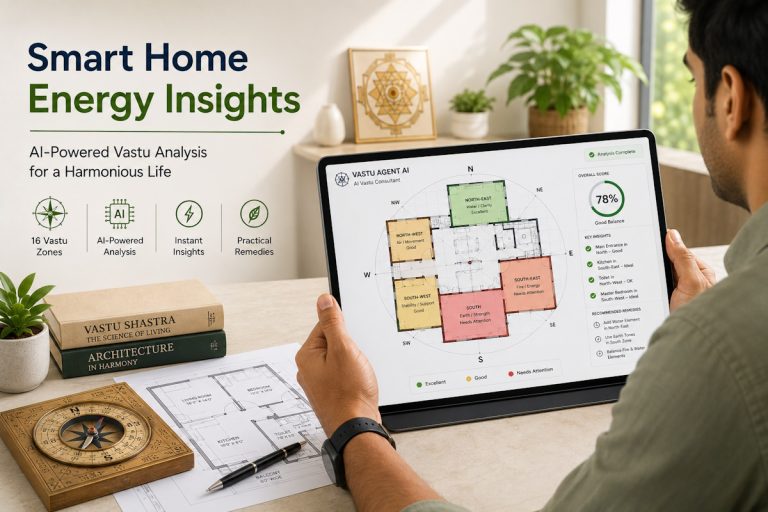
Professional Vastu Consult services can provide the precision needed to identify specific 16-zone imbalances that a general guide might miss. For instance, the specific degree of your kitchen’s orientation can determine if it falls into a “healing” zone or a “expenditure” zone. By fine-tuning these details, you can turn your kitchen into a true sanctuary of health for your entire family.
FAQs
1. What is the best color for a kitchen as per Vastu?
The best colors for a kitchen are cream, beige, light brown, or soft orange. These colors balance the fire element without making the space feel too aggressive. Avoid blue, black, or dark grey, as these represent water and can create elemental clashes with the stove.
2. Can I have a kitchen in the Northeast?
A kitchen in the Northeast is generally considered a major Vastu dosha because this is the zone of the water element and the head of the Vastu Purusha. It can lead to health issues and mental stress. If relocation is impossible, use green color therapy and consult a professional for specific corrective remedies like pyramids.
3. Where should the refrigerator be placed in the kitchen?
The refrigerator should ideally be placed in the West or Southwest part of the kitchen. Avoid placing it in the Northeast corner, as this can block the flow of positive energy. Ensure the fridge is not directly touching the walls for better air and energy circulation.
4. Is it bad if my kitchen and toilet share a wall?
Yes, sharing a wall between the kitchen and the toilet is considered a Vastu defect as it mixes “pure” fire energy with “waste” energy. If this is the case in your apartment, place a strip of zinc or a specific Vastu tape along the shared wall to create an energetic barrier.
5. What direction should I face while cooking?
The most beneficial direction to face while cooking is East. This ensures the cook receives the morning sun’s energy, which promotes health and positivity. Facing North is a secondary option, but facing South should be avoided whenever possible.