Understanding the Foundation of Lo Shu Grid Feng Shui Energy
The quest for harmony in our living and working environments often leads us back to ancient systems that have stood the test of time. One of the most powerful and enduring tools in the realm of spatial energy is the Lo Shu square. This mathematical and metaphysical map serves as a cornerstone for practitioners seeking to align physical structures with the natural flow of universal life force. By analyzing a property through the lens of the lo shu grid feng shui energy map, we can uncover hidden blockages that may be hindering personal progress, financial stability, or physical health. In a modern world filled with architectural complexities, this ancient grid provides a logical and structured approach to energy management.
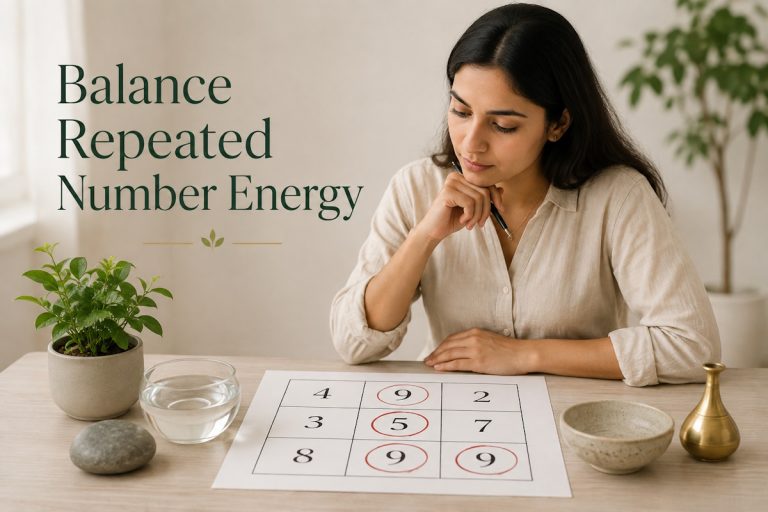
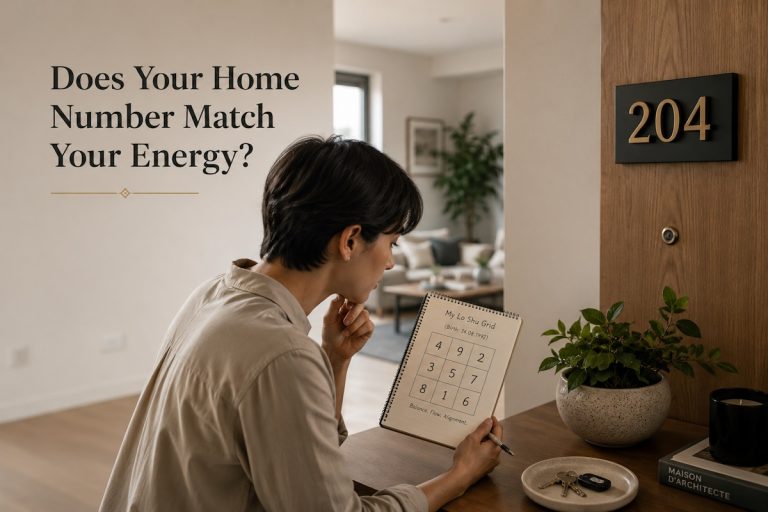
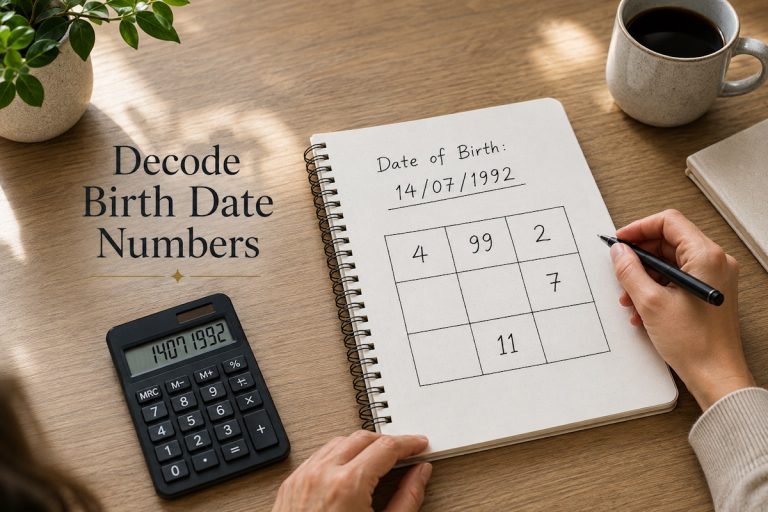
For homeowners and property investors, the Lo Shu grid is more than just a cultural artifact. It is a diagnostic tool that translates the abstract concept of energy into a measurable, nine-square framework. Each sector of the grid corresponds to specific life aspirations and elemental influences. When we apply this grid to a floor plan, we gain the ability to see where a house is strong and where it may be lacking. Achieving a true feng shui energy balance lo shu grid requires a deep understanding of how these nine sectors interact with one another and how modern building designs can either support or disrupt this delicate equilibrium. To ensure your property is aligned with your goals, you can Balance Energy Flow by integrating these principles into your space.
The Mathematical Mystery of the Magic Square
At its heart, the Lo Shu grid is a 3×3 magic square. The legend tells of a turtle emerging from the Lo River with a specific pattern of dots on its shell. These dots represented the numbers one through nine, arranged in such a way that every row, column, and diagonal adds up to fifteen. This mathematical perfection is not a coincidence but is seen as a reflection of the cosmic order. In the context of spatial energy, the number fifteen represents the number of days in each of the twenty-four cycles of the Chinese solar year, further linking the grid to the rhythms of nature.
Historical Context and Modern Relevance
While the origins of the grid date back thousands of years, its relevance has only increased in the contemporary architectural landscape. Today, we deal with L-shaped apartments, extended balconies, and irregular plot shapes that deviate significantly from the balanced square or rectangle. The lo shu grid feng shui energy principles help us navigate these irregularities. By overlaying the grid onto a modern floor plan, an expert can identify missing sectors or protruding corners that might be causing specific life challenges, such as chronic stress or unexpected financial drains.
The Symbology of Numbers in the Grid
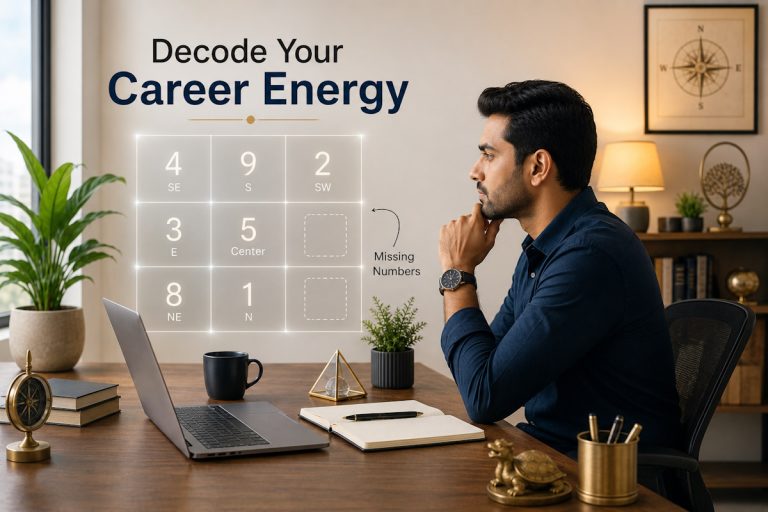
Each number within the square carries a unique vibration and meaning. For instance, the number five sits at the center, representing the earth element and the overall health and stability of the occupants. Surrounding it are the other eight numbers, each tied to a specific compass direction and life area. Understanding these associations is the first step toward performing a comprehensive spatial audit. If the center of your home is cluttered or structurally compromised, the entire lo shu grid energy flow is affected, as the center acts as the heart of the home that distributes energy to all other sectors.
Mapping Life Aspirations with the Feng Shui Grid Energy Map
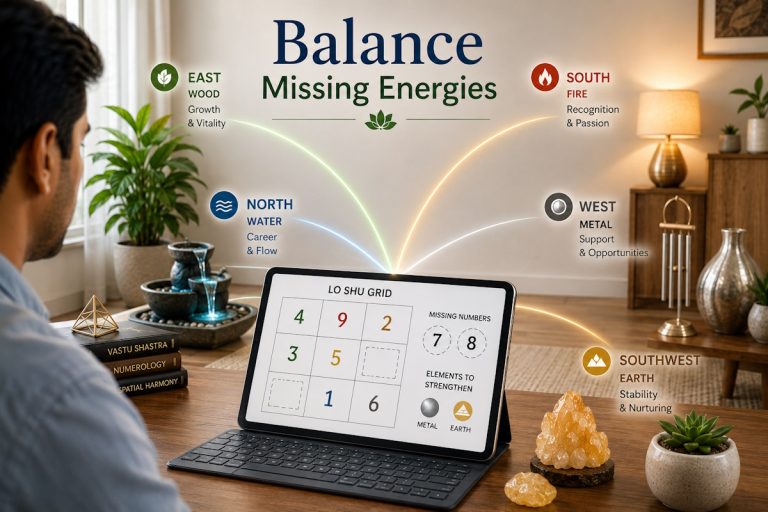
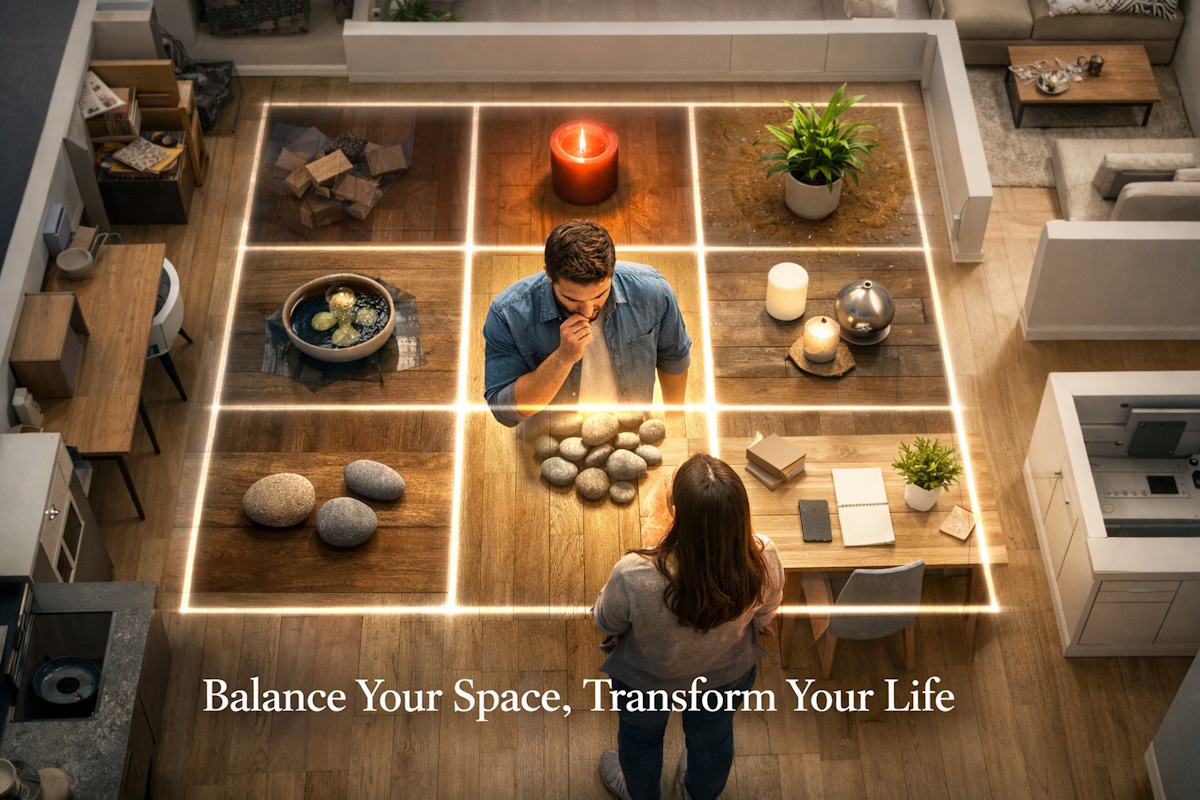
The practical application of the feng shui grid energy map involves dividing a space into nine equal sectors. Each of these sectors governs a specific aspect of human experience. When the energy in a particular sector is balanced and vibrant, the corresponding area of life tends to flourish. Conversely, if a sector is neglected, cluttered, or physically missing from the floor plan, the occupants may experience difficulties in that specific realm. This mapping process allows us to move beyond generic decor and toward a targeted energy strategy.
Navigating the Nine Sectors
The lo shu square feng shui meaning is deeply rooted in these nine sectors. The North sector, represented by the number one and the water element, is primarily associated with career and life path. A bathroom or a storage room in this area might suggest a stagnant career, while a clear, open space can promote professional growth. The South sector, represented by nine and the fire element, governs fame and reputation. Enhancing this area can improve how the world perceives you and your business. To truly optimize these areas, many property owners choose to Balance Energy Flow through professional consultation and precise directional analysis.
Identifying Missing and Extended Corners
In modern urban living, perfectly square homes are rare. Most apartments and houses have “missing corners” where a portion of the Lo Shu grid falls outside the physical structure. For example, if the Southeast corner (representing wealth and prosperity) is missing, the family may find it difficult to accumulate savings regardless of their income. Extensions, on the other hand, can provide an abundance of energy to a sector, but if not managed correctly, they can also cause imbalances. Identifying these structural nuances is critical for any accurate lo shu grid feng shui energy assessment.
The Impact of Clutter on Energy Mapping
Clutter acts as a physical barrier to energy. In the context of the Lo Shu grid, clutter in the West sector (governing children and creativity) might lead to creative blocks or difficulties in communication with younger family members. By viewing clutter not just as a mess, but as a blockage in a specific life sector, homeowners often find more motivation to clear their spaces. A clean, organized space allows the lo shu grid energy flow to move smoothly, nourishing every aspect of the occupants’ lives.
The Five Elements and Their Role in Lo Shu Balance
The Lo Shu grid is inextricably linked to the Five Element theory: Wood, Fire, Earth, Metal, and Water. Each sector of the grid is assigned one of these elements. To achieve a comprehensive feng shui energy balance lo shu grid, one must ensure that the elements in each sector are either supported or at least not destroyed by the surrounding decor and structural features. This elemental interplay is what creates a living, breathing environment that supports human well-being.
The Productive and Destructive Cycles
Understanding how elements interact is vital for any energy correction. For example, Wood feeds Fire, and Fire creates Earth. This is known as the productive cycle. If you want to boost the energy in the South (Fire/Fame) sector, adding Wood elements like plants can be highly effective. However, the destructive cycle is equally important to monitor. Water puts out Fire. Therefore, placing a large aquarium in the South sector could inadvertently dampen your reputation or social life. By carefully managing these elements, you can Balance Energy Flow throughout the entire property.
Practical Elemental Remedies
Correcting an imbalance does not always require major renovations. Often, simple additions can shift the energy. In a Metal-dominated sector like the West or Northwest, introducing Earth elements like pottery or stones can strengthen the space. If a sector has too much of a destructive element, “exhausting” the excess energy is a common strategy. For instance, if there is too much Wood in a sector where it shouldn’t be, adding a bit of Fire (red accents or lighting) can help balance the influence without needing to remove the Wood entirely.
The Central Earth Sector
The center of the Lo Shu grid is the most sensitive area. It belongs to the Earth element and serves as the anchor for all other sectors. In modern home design, the center is often where hallways meet or where the dining table sits. Keeping this area open and stable is essential for overall health. A staircase or a heavy pillar in the exact center can create “heart” issues for the home, leading to a sense of instability for all who live there. Ensuring this central earth energy is grounded is a priority in any lo shu grid feng shui energy analysis.
Applying the Lo Shu Square to Modern Business Spaces
Commercial properties and offices benefit immensely from the application of the feng shui grid energy map. In a business context, the grid helps owners position key personnel, such as the CEO or the finance team, in sectors that support their specific functions. A well-aligned office can lead to better employee retention, increased productivity, and a more positive brand image. The logic of the Lo Shu grid transcends residential boundaries and provides a blueprint for professional success.
Positioning for Success and Leadership
In the Lo Shu square feng shui meaning, the Northwest sector is known as the “Helpful People” or “Mentors” area. It is also the sector associated with the patriarch or the leader. For a business, this is the ideal location for the owner’s office. If this sector is cluttered or used as a janitor’s closet, the business may struggle to find reliable partners or suffer from poor leadership. By aligning the office layout with the lo shu grid energy flow, management can create an environment that naturally fosters authority and support. To optimize your workspace, it is often helpful to Balance Energy Flow through a professional site audit.
Enhancing Financial Growth in the Office
The Southeast sector is traditionally the “Wealth” area. In a commercial setting, placing the accounts department or the sales team in this sector can help stimulate financial growth. However, if the Southeast of the office contains a heavy exit door or a restroom, the “wealth energy” might be draining away. Remedies such as placing specific plants or using colors that represent the Wood element can help stabilize this sector and encourage a more prosperous financial outlook for the company.
Creating a Productive Work Culture
The East sector, which governs health and family (and by extension, the “office family”), plays a significant role in team morale. Using the lo shu grid feng shui energy principles, a company can ensure this area is bright and filled with healthy plants to encourage vitality among staff. When the energy in the East is balanced, there is generally less conflict and better collaboration between departments, creating a harmonious culture that attracts top talent.
Navigating Your Space with Precision
The Lo Shu grid is not a static map but a dynamic tool that requires thoughtful application. Whether you are moving into a new home or looking to improve your current one, understanding the feng shui energy balance lo shu grid provides a sense of control over your environment. It allows you to move away from guesswork and toward a logical, step-by-step process of spatial optimization. By recognizing that every corner of your home reflects a corner of your life, you can begin to treat your physical space with the respect and intention it deserves.
However, it is important to remember that every property is unique. Factors such as the building’s age, its surrounding landscape, and the personal energy of the occupants all play a role in how the Lo Shu grid should be interpreted. While DIY tips are a great starting point, complex issues like missing sectors or persistent life challenges often require a more nuanced approach. Seeking expert guidance ensures that the remedies you apply are effective and safe. By choosing to Balance Energy Flow with professional help, you can gain the clarity needed to make confident decisions about your property and your future.
FAQs
1. What is the most important sector in the Lo Shu grid?
The center sector (Number 5) is considered the most important because it represents health and the overall stability of the home. It connects and influences all other eight sectors. If the center is blocked or cluttered, it can negatively impact the energy flow throughout the entire property.
2. Can I use the Lo Shu grid in an apartment with an irregular shape?
Yes, the Lo Shu grid is actually most useful in irregular spaces. By overlaying the grid on an irregular floor plan, you can identify which sectors are “missing” or “protruding.” Once identified, you can use specific remedies like mirrors, colors, or elemental objects to energetically complete the missing areas.
3. Does the Lo Shu grid change every year?
While the basic Lo Shu grid is fixed and used for the permanent energy of a building, there are also “Flying Stars” that move through the grid on an annual and monthly basis. To maintain a perfect feng shui energy balance lo shu grid, many practitioners perform an annual update to address these shifting energies.
4. How do I find the North sector of my home for the grid?
To accurately apply the lo shu grid feng shui energy map, you must use a compass to find the magnetic North of your property. Stand in the center of the home and take a reading. Once you have the North, you can align the grid accordingly, with North corresponding to the sector containing the number one.
5. Is the Lo Shu grid the same as the Bagua map?
They are related but used differently. The Lo Shu grid is a 3×3 square based on compass directions (Compass School), while some schools of Feng Shui use the Bagua map aligned with the front door (BTB School). For the most precise and scientific results, using the directional Lo Shu grid is generally recommended.